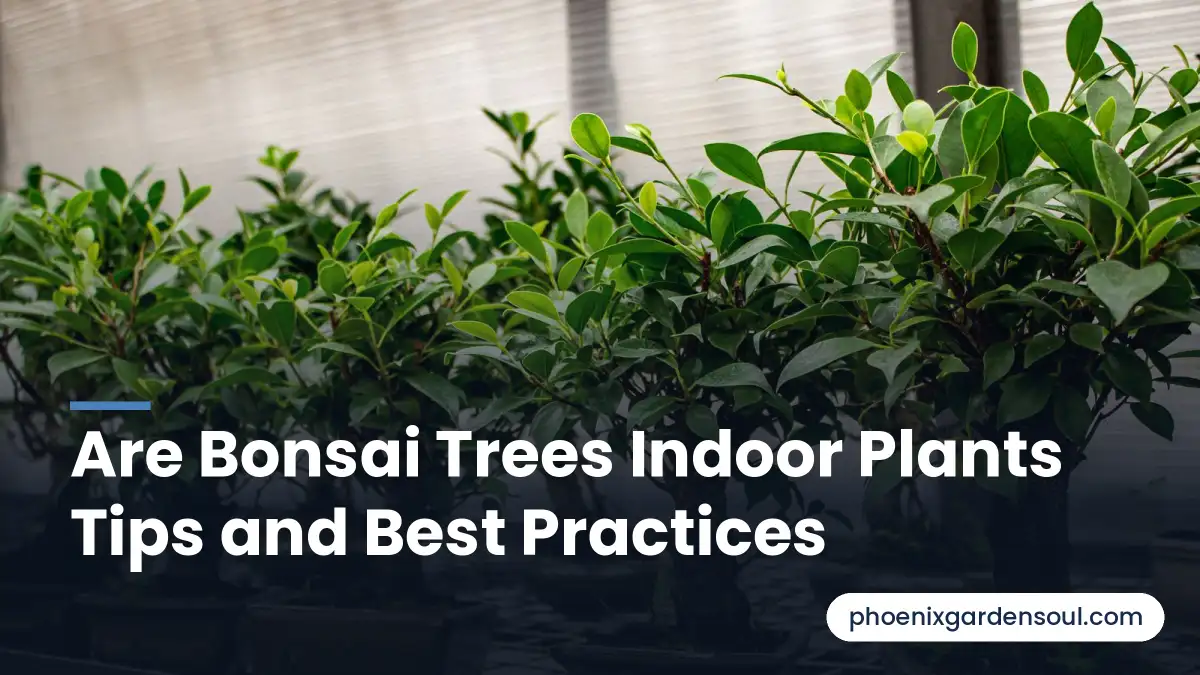
Are Bonsai Trees Indoor Plants Tips and Best Practices
As an Amazon Associate we earn from qualifying purchases. Guides are for general information; always check your owner's manual and consult a qualified mechanic when unsure.
You see a small tree in a pot. When it comes to are bonsai trees indoor plants, having steady, tested guidance makes all the difference. It looks calm and still. But is it an indoor plant? The answer is not a simple yes or no. The truth is that many people ask this question.
They want to grow bonsai in their homes. Some trees can live inside. Others need the outdoors. This guide helps you sort that out. We look at species, light, and care. You will know what works for you. Always follow official safety and maintenance guidelines for best results.
Are Bonsai Trees Indoor Plants: A Species-By-Species Decision Framework
The quick answer is that some bonsai are indoor trees. Others are outdoor trees. The key is the species you choose. Tropical trees like Ficus and Jade love warm rooms.
They do fine with steady home heat. Temperate trees like Maple and Pine need cold winters. They must go outside each year. So, when you ask if bonsai trees are indoor plants, you must pick the right tree first.
Your home setup matters a lot too. A sunny south-facing window helps many species. But a dark flat will fail most temperate types. Think about your space. Then pick a tree that fits. A wrong match leads to a dead tree fast.
- Tropical Species: These trees need warm temps year-round. They thrive in normal room heat.
- Temperate Species: These trees need a cold sleep. They must live outside in winter.
- Subtropical Species: These trees can live inside. But they need bright light and some cool time.
- Your Space: Check your light and heat. Match the tree to what you can give.
We have seen many new growers skip this step. They buy a pretty Pine bonsai. Then they put it in a dark living room. The tree slowly weakens. It drops needles and dies. Do not let that happen to you. Pick the right tree for your space first.
Tropical and Subtropical Bonsai Species That Thrive Indoors Year-Round
These trees love the stable warmth of a home. They do not need a cold season. You can keep them on a desk or shelf. They grow well with steady care. The Ficus retusa is a top pick. It has thick roots and glossy leaves.
The Schefflera arboricola is another great choice. It handles low light better than most. The Crassula ovata, or Jade tree, stores water in its leaves. It forgives missed waterings now and then. The Serissa foetida blooms small white flowers. It likes bright light and steady humidity.
These indoor trees need bright light. A south-facing or east-facing window works best. If your room is dark, use a full spectrum LED grow light. Run it for 12 to 16 hours a day. Keep the room between 60 and 75 degrees F. Watch for pests like scale and spider mites. They show up in dry indoor air. A gentle mist helps keep them away.
- Ficus Retusa: A tough tropical tree. It handles some neglect and low light well.
- Schefflera Arboricola: This tree adapts to many indoor spots. It needs bright but indirect light.
- Crassula Ovata: The Jade tree stores water in its thick parts. Let soil dry between waterings.
- Serissa Foetida: A flowering indoor option. It needs steady moisture and good light.
These trees can live their whole life indoors. You do not need to move them outside. But they still need fresh air and good light. A simple setup with a pot and a window can work. The key is to match the tree to your home.
Temperate Bonsai Trees That Require Outdoor Seasonal Cycles
Some bonsai trees must feel the seasons change. They need a cold winter rest. This is called a dormancy cycle. Maple trees like Acer palmatum need this cold time.
Pine trees like Pinus thunbergii also need it. Without a cold season, these trees grow weak. They lose vigor and may die within a few years. You cannot keep a Maple bonsai as a true indoor plant year-round.
These trees belong outside for most of the year. You place them in a garden or on a balcony. In winter, you protect them from harsh freezes. A cold garage or unheated shed works well. The goal is to let them rest. They need cold temps but not ice storms. Think of it like putting a pet outside in winter. It needs shelter, not a heated room.
- Acer Palmatum: The Japanese Maple needs a full cold season. It drops its leaves in fall.
- Pinus Thunbergii: This Black Pine thrives with outdoor sun and cold winters.
- Juniperus Procumbens: A hardy outdoor juniper that needs fresh air and bright light.
- Dormancy Cycle: This rest period is non-negotiable for temperate species.
You can still grow these trees if you live in a cold zone. You just must give them outdoor time. A simple approach is to keep them outside from spring to fall. Then move them to a sheltered spot in winter. This mimics their natural life cycle. It keeps the tree healthy and strong for years.
Many people make one big mistake. They buy a temperate bonsai and keep it inside all year. The tree looks fine at first. But after a few months, it starts to drop needles. The growth gets thin and leggy. That is a sign of stress. The tree is begging for the outdoors. Learn the species. Then give it what it needs. For complementary picks and expert testing advice, see our guide on What Not to Plant with Fig Trees for Beginners.
Setting up the Indoor Environment: Light, Humidity, and Temperature Essentials
If you keep are bonsai trees indoor plants, you must nail three things: light, humidity, and heat. Skip one and your tree pays the price. Let’s break down each piece.
- South-Facing Window: This gives your bonsai the strongest natural light indoors. Most tropical species need 6 to 8 hours of direct sun. East-facing windows work too but offer softer morning rays. Watch for seasonal shifts in sunlight angles.
- Humidity Tray: Fill a shallow tray with water and add pebbles. Set your pot on top so it sits above the water line. This bumps up local humidity without soaking the roots. You’ll need to refill it every few days.
- Digital Thermometer: Indoor bonsai like it between 60°F and 75°F. Sudden heat swings stress the tree fast. Keep it away from cold drafts and heating vents. A simple room thermometer helps you spot problems early.
- Full Spectrum LED Grow Light: Winter sun is too weak for many indoor species. A full spectrum LED fills the gap with the right light wavelengths. Run it 12 to 16 hours a day during dark months. Your tree won’t know it’s indoors.
- Misting Spray Bottle: Mist the leaves on dry mornings to boost humidity. This also clears dust that blocks light absorption. Don’t mist instead of proper watering — it only helps the surface. Use distilled water to avoid mineral spots on leaves.
Light is the single biggest factor for indoor bonsai success. A tree stretched toward the glass is a tree that’s starving for photons. Move it closer to the window or add a grow light. Humidity matters almost as much.
Indoor air dries out fast — most in winter with the heat running. That dry air pulls moisture from tiny leaves faster than roots can replace it. Heat stays steady and your bonsai stays happy. Wild swings between day and night weaken its immune system over time.
Daily and Seasonal Care Protocols for Indoor Bonsai Survival
Keeping are bonsai trees indoor plants alive long-term means building a routine. Daily checks take five minutes. Seasonal shifts demand bigger moves. Here’s how to stay on track.
- Morning Water Check: Stick a finger one inch into the soil each morning. If it feels dry, water thoroughly until liquid runs from the drain holes. Don’t let the pot sit in standing water. Overwatering rots roots just as fast as underwatering dries them out.
- Weekly Fertilizing: Use a balanced liquid fertilizer at half strength every week during the growing season. Spring and summer need this fuel most. Cut back to monthly feeding in fall. Stop entirely during winter dormancy for temperate species.
- Spring Repotting: Check root health every spring by gently lifting the tree from its pot. Tease out old soil with a root rake and trim any circled or rotting roots. Repot into fresh akadama mix when you see crowded roots. This refresh feeds the tree and resets its growth cycle.
- Winter Dormancy Watch: Deciduous and pine species need a cold rest period to survive. Move temperate outdoor bonsai into an unheated garage or cold frame. Heat between 33°F and 45°F work perfectly. Keep the soil barely moist through these months. Skip this step and your tree will not leaf out next spring.
- Pest Patrol: Inspect leaf undersides weekly for scale insects, spider mites, or mealybugs. These pests love warm indoor air and dry foliage. Hit infestations early with insecticidal soap sprayed every three days for two weeks. A strong water blast knocks off invaders before you treat. Catching problems early saves the whole tree.
Seasonal care separates thriving bonsai from struggling ones. Your tree’s needs change with daylight hours and heat shifts. A rigid schedule keeps you from missing key steps. Fertilizer drives growth when days are long and warm. Watering frequency shifts with humidity levels and pot size.
Repotting in spring gives roots fresh soil and room to expand. Winter dormancy is non-negotiable for temperate species. Without that cold rest, the tree exhausts its energy reserves. Dies within a few years. Treat these protocols like brushing your teeth — steady and boring, but absolutely key.
Common Indoor Bonsai Failure Points and How to Diagnose Them
Most indoor bonsai don’t die from one big mistake. They fade from small problems ignored over weeks. Here are the most common failure points and how to spot them fast.
- Yellowing Leaves: This usually signals overwatering or poor drainage. Check the soil moisture before you add more water. If the pot lacks drain holes, repot it right away. Yellow leaves with dry edges point to underwatering instead. Fix the watering rhythm and watch the tree recover within a week.
- Leaf Drop: Sudden leaf loss shocks most beginners. Heat shocks cause this more often than pests. Did you move the tree near a drafty window or a heat vent? Steady the space and give it bright indirect light for a few days. The tree will releaf once it feels secure.
- White Sticky Residue: This sticky film is honeydew from sap-sucking insects. Look under leaves for scale, mealybugs, or aphids. Wipe the sticky surface with a damp cloth first. Then treat the pests with insecticidal soap or neem oil spray. Repeat treatments for two full weeks to break the breeding cycle.
- Slow or Stunted Growth: Your tree might not get enough light. A weak grow light or dark corner starves the plant of energy. Move it to a brighter spot or upgrade your LED setup. Low fertilizer during growing season also slows things down. Add balanced feed and watch new buds form within weeks.
- Cracked Bark: This serious symptom points to frost damage or severe dehydration. If a temperate species stayed warm all winter, it skipped dormancy and paid the price. Rehydrate the soil slowly and move the tree to a sheltered spot. Bark damage that wraps fully around the trunk often means the tree is gone.
Diagnosing problems early saves trees that would or else decline silently. Most growers panic only after leaves have dropped or bark has cracked. Train yourself to look closely at your bonsai every day. Notice new bud formation, leaf color, and soil moisture at a glance. The tree talks to you all the time.
Are bonsai trees indoor plants that fail? Only when their basic needs go unmet for too long. You can head off most disasters with a quick morning glance. A few minutes of action. Trust your observations over generic advice. Your tree lives in your specific space and responds to your specific care.
Bonsai Indoor Care Comparison Chart
| Care Factor | Tropical Indoor Species | Temperate Outdoor Species |
|---|---|---|
| Light Needs | 6-8 hours direct or bright indirect | Full sun outdoors; grow light in winter |
| Humidity | 50-70% with humidity tray or misting | Natural outdoor levels; lower in winter |
| Temperature Range | 60-75°F year-round | Tolerates 33-45°F dormancy period |
| Watering Frequency | Daily checks; water when dry 1 inch deep | Reduced in winter; barely moist only |
| Fertilizing Schedule | Weekly half-strength in growing season | Monthly in spring; none in dormancy |
| Repotting | Every 2-3 years in spring | Every 3-5 years with root pruning |
| Dormancy | None required | Cold period 33-45°F essential |
Questions People Ask About Indoor Bonsai
Can Any Bonsai Tree Live Permanently Indoors?
Only tropical and subtropical species survive year-round inside. Ficus, Jade, and Schefflera handle indoor light and humidity well. Temperate trees like Maple and Pine need outdoor cold seasons. Forcing them indoors causes slow decline and eventual death.
How Do I Know If My Indoor Bonsai Needs More Humidity?
- Watch for Brown: Watch for brown leaf edges and frequent leaf drop.
- These Signs Show: These signs show the air pulls moisture faster than roots supply it.
- Humidity Tray: A humidity tray under the pot raises local moisture levels quickly.
- Misting Helps Short-Term: Misting helps short-term but doesn’t fix the root problem.
What’s the Best Grow Light for Indoor Bonsai?
A full spectrum LED grow light works best for most indoor species. It gives the blue and red wavelengths plants use for photosynthesis. Run it 12 to 16 hours daily during short winter days. Cheap fluorescent tubes work but grow LEDs are more fast and longer lasting.
Do Indoor Bonsai Trees Need a Winter Rest Period?
Tropical indoor species don’t need dormancy and keep growing all year. Temperate species kept indoors still need a cold rest to survive. Move them into an unheated space where heat stay between 33°F and 45°F. Without this rest, they stop producing new growth the following spring.
Are Bonsai Trees Indoor Plants That Attract Lots of Pests?
Indoor bonsai face more pest issues because warm dry air weakens their defenses. Spider mites, scale insects, and mealybugs top the problem list. Weekly leaf inspections catch infestations early. Insecticidal soap and neem oil keep populations under control when applied always.
Final Thoughts and Next Steps
So, are bonsai trees indoor plants? The honest answer is: it depends entirely on the species you choose. Tropical ficus and jade thrive inside with steady warmth and a good light source.
Temperate pines and maples demand outdoor seasonal cycles no matter how cozy your living room feels. Pick the right tree for your space and commit to the daily care rhythm. Your bonsai will reward you with decades of quiet, living beauty on your windowsill or patio.
Start simple with a hardy Ficus retusa or Crassula ovata if you’re new to indoor growing. These species forgive minor watering mistakes and adapt to average home conditions. Set up your humidity tray and grow light from day one. Check soil moisture each morning and inspect leaves for pests weekly.
Stick with these basics and you’ll build confidence fast. Every experienced grower started exactly where you stand now. Curious, a little unsure, but ready to learn. Your next step is choosing one tree and giving it the attention it deserves. That single decision starts a journey worth every minute.