Are Bromeliads Indoor or Outdoor Plants for Beginners
As an Amazon Associate we earn from qualifying purchases. Guides are for general information; always check your owner's manual and consult a qualified mechanic when unsure.
Many gardeners ask if bromeliads fit inside or outside. The answer is not simple. It depends on your local climate and the specific plant. Some types thrive in warm outdoor gardens. Others do better on a bright indoor shelf. We will walk through the real factors that guide this choice. You will learn what matters most for healthy growth. Always follow official safety and maintenance guidelines for best results.
The question of are bromeliads indoor or outdoor plants starts with your hardiness zone. These plants come from warm, humid forests. They hate frost and cold drafts. In zones 9 through 11, many can live outside year-round. In cooler zones, you must bring them indoors for winter. The key is matching the plant to your local conditions.
Are Bromeliads Indoor or Outdoor Plants: A Climate-Based Decision Framework
Deciding if are bromeliads indoor or outdoor plants starts with your local climate. Your USDA hardiness zone sets the baseline. Zones 9 through 11 offer the best outdoor window. In these areas, winter lows rarely drop below 25°F. You can keep many types outside most of the year. You still need to watch for rare cold snaps.
The real decision hinges on three hard numbers. Your winter low heat, your humidity floor, and your light levels. These three factors act as gatekeepers. If you miss any one of them, the plant suffers. You must check each one before you pick a spot. For complementary picks and expert testing advice, see our guide on What to Put in Front of House Besides Plants.
- USDA Zone Check: Zones 9 to 11 allow safe outdoor growing. Below zone 9, plan for indoor winter storage.
- Frost Threshold: Heat below 32°F cause cell damage. Ice crystals burst leaf tissue and kill the plant.
- Humidity Floor: Levels under 40% stress most types. You need 50 to 70% for best growth outdoors.
- Light Match: Bright filtered light mimics forest canopy. Direct hot sun burns leaves in many species.
You can push the boundaries with extra care. A covered patio or a warm microclimate helps a lot. We’ve seen growers in zone 8b keep Guzmania outside with overhead protection. The roof blocks cold rain and radiates stored heat at night. Still, you need a backup plan for hard freezes.
Take time to map your yard’s microclimates. A south-facing wall holds heat long after sunset. A low spot in the yard collects cold air. A covered porch may stay several degrees warmer. Each spot tells a different story. Watch your garden through a full day. Note where frost forms first each winter.
Soil warmth matters just as much as air warmth. Roots need steady warmth to stay active. A thick mulch layer insulates the root zone. Pine straw or shredded bark works well. Keep mulch a few inches from the central stem. This simple step can extend your outdoor season by weeks.
Matching Bromeliad Species to Indoor or Outdoor Growing Conditions
Not all bromeliads want the same life. Some types are built for outdoor warmth. Others adapt well to indoor rooms. You must match the species to your setup. A one-size-fits-all approach leads to weak plants and rot.
Let us look at the common types and their needs. Each genus has a natural habitat preference. Honoring that preference gives you the best results. Here is how the main groups line up.
- Aechmea: Many species handle outdoor heat well. They want bright filtered light and a warm tank.
- Guzmania: These prefer indoor comfort most of the time. They need stable temps and steady humidity.
- Neoregelia: A true outdoor workhorse in warm zones. The colors show best with strong indirect light outside.
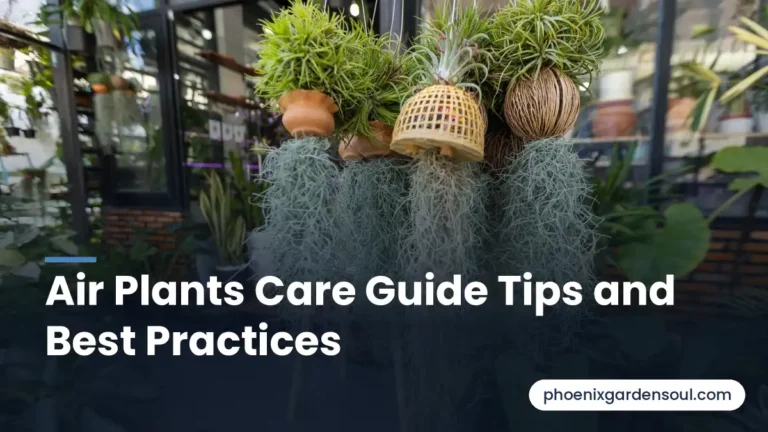
- Tillandsia: Air plants thrive outdoors in humid climates. They can also live on a bright indoor shelf.
- Vriesea: These like indoor warmth and avoid harsh sun. They often struggle in hot, dry outdoor air.
Species choice shapes your entire setup. An outdoor Neoregelia needs a coarse, fast-draining mix. You use orchid bark and perlite for airflow. An indoor Vriesea does well in a terracotta pot. The porous clay pulls moisture away from roots. Both paths work. You just have to pick the right plant for your spot.
How to Read Your Plant’s Signals
Leaves tell you when a spot is wrong. Brown leaf tips often mean low humidity. Pale leaves signal too much direct sun. Dark, mushy bases point to overwatering. Watch for new growth as a sign of success. Bright new leaves mean the plant is happy. Slow or no growth means it needs a change.
Each genus has its own warning signs. Aechmea leaves curl when they lack water. Guzmania tips turn brown in dry air. Neoregelia colors fade without enough light. Tillandsia leaves go crispy without misting. Vriesea leaves develop brown patches from sunburn. Learn these signs and you will react fast.
Setting up Outdoor Bromeliad Gardens in Warm-Season Regions
If you live in zones 9 to 11, outdoor growing is a joy. Warm-season gardens bring out the best in these plants. You get natural rain, fresh air, and bright dappled light. The setup is different from a houseplant windowsill. You need to think about drainage and wind.
Start with a sheltered location. A spot under a tree canopy works perfectly. The leaves filter harsh sun and break cold wind. Avoid low spots where cold air pools at night. Raised beds or sloped ground help water drain fast. Standing water in the tank invites rot and pests.
- Tree Canopy: A broad-leafed tree gives perfect filtered light. It also drops organic matter that feeds the soil.
- Wind Break: A fence or hedge stops drying gusts. Still air helps the plant hold moisture in its leaves.
- Drainage Layer: Use a coarse mix of bark and pumice. Heavy garden clay will suffocate the roots fast.
- Tank Care: Flush the central cup with fresh water weekly. Stagnant water goes stale and grows algae fast.
Feeding outdoor bromeliads is simple. You use a weak liquid fertilizer. Mix it at one-quarter strength and pour it into the tank. You can also spray the leaves for foliar feeding. Do this during the active growing season in spring and summer. Skip feeding in fall and winter when growth slows down.
Outdoor plants face more pest pressure than indoor ones. Scale insects and mealybugs love the warm, damp conditions. Check the base of the leaves each week. A strong spray of water knocks off most soft-bodied bugs. You can treat stubborn spots with a dab of rubbing alcohol on a cotton swab.
Building a Simple Raised Bed for Bromeliads
A raised bed gives you full control over soil mix. Use untreated wood or metal frames. Fill the bed with a blend of orchid bark and perlite. Add a layer of pea gravel at the bottom for drainage. This setup mimics the loose forest floor bromeliads love. You can grow many plants in one bed. Group them by light and water needs for best results.
Watering from above helps keep the tank clean. A gentle shower head works great. It washes dust from the leaves. It also fills the central cup. Do this in the morning so the plant dries before night. Dry leaves resist fungal problems much better.
Transitioning Bromeliads Between Indoor and Outdoor Environments
Moving bromeliads inside or outside is a slow process. You can’t just pick them up and go. These plants need time to adjust. Rushing the move stresses them out. Leaves may brown or droop from shock. That ruins your bloom cycle fast.
A good rule is to shift them over seven to ten days. Start with one hour of outdoor time. Add an hour each day after that. Watch leaf color and firmness closely. Check soil moisture more often too. This method works well whether you grow them in pots or mounted on wood.
- Hardiness Zone Check: Confirm your area stays above 32°F before any outdoor move.
- Humidity Floor: Aim for at least 50% air moisture around the plant.
- Light Acclimation: Start in deep shade, then move to filtered sun.
- Tank Monitoring: Empty and refill the central cup daily during transition.
- Pest Scan: Look for scale or mealybugs brought in from outside.
Your care routine shifts a lot when you move a plant. Indoor air is drier. Outdoor light hits harder. These changes affect how you water and feed. Keep a log of heat swings. Use a simple digital thermometer near the plant. You’ll spot trends fast.
One big risk is cold night air. Even a brief frost event hurts bromeliad leaves. The frost damage threshold sits at 32°F. Below that, cell walls rupture inside the leaves. Tissue turns black and mushy. That damage can’t be reversed. Move plants back inside on cold nights.
Common Transition Mistakes and How to Avoid Them
The biggest mistake is skipping the acclimation phase. A plant moved straight from a dim room to full sun will burn fast. Another error is ignoring wind. Outdoor wind dries leaves much faster than you think.
A third mistake is overwatering after a move. The plant uses less water while stressed. Let the soil dry a bit more than usual. Then resume your normal schedule after a week. For complementary picks and expert testing advice, see our guide on What to Plant in Zone 8b Tips and Best Practices.
Indoor Bromeliad Care Requirements That Differ From Outdoor Growing
Growing bromeliads inside changes how you water them. Indoor air stays much drier than outside. You’ll need to boost humidity around the plant. A pebble tray filled with water works great. Set the pot on top. Mist the leaves every few days too. This helps keep leaf tips from turning brown.
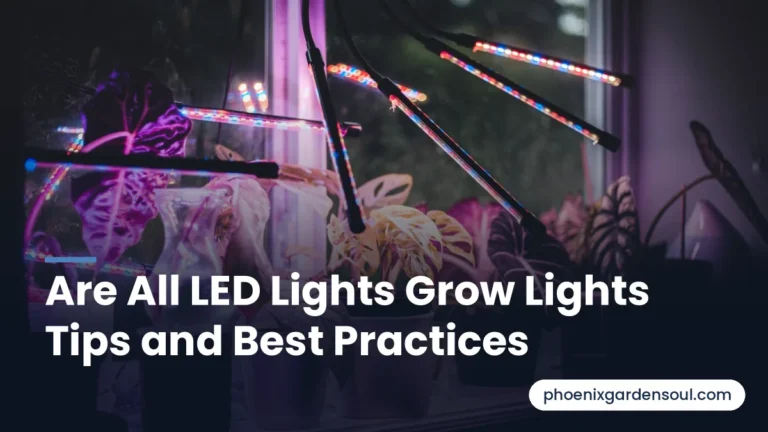
Light is the next big challenge indoors. Most homes lack strong bright light. You’ll want a window facing east or south. Filter heavy sun with a sheer curtain. Or add a simple LED grow light. A ten-hour daily cycle gives enough energy. Choose a light rated for flowering plants.
- Grow Light: Use a full-spectrum LED positioned six inches above leaves.
- Humidity Tray: Fill a tray with pebbles and water beneath the pot.
- Well-Draining Mix: Blend orchid bark, perlite, and peat for the pot.
- Tank Care: Keep the central cup filled with clean room-heat water.
- Foliar Feed: Spray a diluted liquid fertilizer on leaves monthly indoors.
Indoor growing slows things down overall. Plants grow less fast without strong sun. You’ll water less often too. Check soil dryness with your finger. Let the top inch dry out fully. Overwatering indoors causes root rot quick. Terracotta pots pull extra moisture from soil. That helps prevent rot problems indoors.
Fertilizing indoors needs a lighter hand. Outdoor rain flushes nutrients from the pot. Indoor plants hold onto fertilizer salts. Use half-strength liquid food every three weeks. Flush the pot with plain water monthly. This clears built-up salts from the root zone. You’ll keep roots healthy that way.
Creating a Humidity Micro-Climate Indoors
Grouping plants together raises local humidity. Each plant releases moisture through its leaves. A cluster of bromeliads on a shelf works well. Add a small fan for gentle air movement. Stagnant air invites fungal problems. The fan also strengthens stems over time. You can also use a cool-mist humidifier nearby. Set it on a timer for a few hours each day.
Bathrooms and kitchens often have higher humidity. A bromeliad on a bathroom shelf may thrive there. The warm showers boost moisture in the air. Just make sure the plant still gets enough light. A small mirror can bounce light back onto the leaves. This trick works in dim corners of any room.
Year-Round Placement Strategies for Mixed Indoor-Outdoor Bromeliad Collections
Many growers keep bromeliads in both settings all year. They move plants back and forth with seasons. This approach gives you the best of both worlds. Outdoor warmth speeds growth in spring and summer. Indoor protection saves plants when cold weather hits. Planning makes this work smoothly.
Start spring moves when night temps stay above 50°F. Bring plants out gradually over one week. Place them in bright filtered light outside. Enjoy faster growth through the warm months. Bring plants back inside before first frost date. Mark that date on your calendar each year.
- Spring Outing: Move plants out after night temps hold above 50°F.
- Summer Rotation: Keep outdoors in partial shade with good airflow.
- Fall Return: Bring inside two weeks before your frost date.
- Winter Quarters: Place near a bright window with a humidity tray.
- Specimen Pups: Root offsets in water before moving them to soil.
You can group plants by their needs. Hardy species like Aechmea handle cooler nights. Delicate types like Vriesea need warmer temps. Keep those separate on your schedule. Cryptanthus stays happy indoors all year. Their colorful foliage looks great on a shelf. Move them outside only in peak summer.
Tracking conditions becomes easy with a log. Write down dates for each move. Note any leaf changes or pest issues. You’ll spot patterns over two or three years. Your care improves fast that way. This steady approach answers the question: are bromeliads indoor or outdoor plants? The truth is they thrive in both spots with smart planning.
Designing a Seasonal Rotation Calendar
Map your moves on a simple wall calendar. Mark the average last frost date in spring. Mark the average first frost date in fall. Plan to move plants out two weeks after the last frost. Plan to bring them in two weeks before the first frost. This buffer protects plants from surprise cold snaps. You will feel more confident with a set schedule.
Keep a small notebook in your garden shed. Record each move and any plant reactions. Note if leaves yellowed or browned after a transition. Over time, you will build a personal care guide. That guide becomes more valuable than any book. It fits your exact home and yard.
Common Questions About Bromeliad Placement
Can Bromeliads Stay Outside Year-Round in Warm Climates?
Yes, if you grow them in USDA zones 9 to 11. Night temps must stay above 32°F. Add shade cloth during hot summer days. Keep the tank full and flush it weekly. Many growers in Florida and Arizona keep them outside all year.
How Do I Know If My Bromeliad Is Stressed From a Move?
- Watch for Brown: Watch for brown leaf tips or drooping foliage.
- Check the Central: Check the central cup for drying out.
- Leaves That Feel: Leaves that feel soft signal dehydration.
- Move the Plant: Move the plant back to its last happy spot.
- Resume Gradual Exposure: Resume gradual exposure over another week.
Are Bromeliads Indoor or Outdoor Plants in Cold Regions?
In cold areas, they are mainly indoor plants. Bring them outside only during frost-free months. Use a bright window or grow light indoors. Keep humidity above 40% with a tray or humidifier. This keeps them healthy through winter. For complementary picks and expert testing advice, see our guide on What to Plant in Zone 4 Tips and Best Practices.
What’s the Easiest Species for Beginners to Switch Between Indoor and Outdoor?
Neoregelia is a great starter species. Their tough leaves handle light changes well. They bloom with bright red centers. Guzmania also transitions fairly easily. Both tolerate a range of indoor light levels. Start with one of these before trying trickier types.
How Often Should I Fertilize Bromeliads During Outdoor Growing Season?
Feed outdoor bromeliads every two weeks in spring. Use a half-strength liquid fertilizer. Spray it on leaves or pour into the tank. Stop feeding in late fall. Plants slow growth when days get shorter. Resume in early spring when new pups appear.
Can I Grow Bromeliads on a Balcony or Patio?
Yes, a balcony can work well for bromeliads. Check your light first. A north-facing balcony offers gentle indirect light. A south-facing balcony gives strong light. Use a sheer curtain to filter harsh sun.
Wind is the next challenge. A balcony can be very windy. Use a small windbreak or place pots in a sheltered corner. Water more often on a balcony. Wind dries the leaves and soil fast.
What Should I Do If My Bromeliad Gets Frost Damage?
Act fast if you suspect frost damage. Move the plant to a warm spot right away. Trim off any black or mushy leaves. Use clean scissors to make the cut. Let the plant dry out a bit. Do not water it for a few days. New growth may appear from the center. If the core stays firm, the plant can recover. If the whole base turns soft, it may be lost.
| Placement Method | Best Season | Light Level | Water Frequency | Ideal Temp |
|---|---|---|---|---|
| Outdoor Garden | Spring & Summer | Bright Filtered | Daily tank fill | 55-90°F |
| Indoor Windowsill | Fall & Winter | East/South Window | Weekly soil check | 60-75°F |
| Grow Light Stand | Year-Round Backup | Full-Spectrum LED | Weekly tank check | 65-80°F |
| Mounted Display | Year-Round Indoors | Indirect Ambient | Misting 3x weekly | 65-80°F |
Final Thoughts and Next Steps
Now you know how to answer the question: are bromeliads indoor or outdoor plants. The real key is matching your local climate to the right species. Warm zones let you grow them outside most of the year.
Cooler areas call for indoor setups with good light. Your plan should shift with the seasons. A simple rotation schedule keeps plants happy in both settings.
Start with one change this week. Move one plant closer to a window. Or set a humidity tray near your shelf. Watch how your bromeliad responds within days. Small steps build big results over time. You’ll grow a thriving collection with steady care and smart planning.
Take notes on what works in your space. Every home and garden is a little different. Your notes become a personal care guide. You will refer to them for years. Share what you learn with other growers. A thriving bromeliad collection starts with one smart choice today.