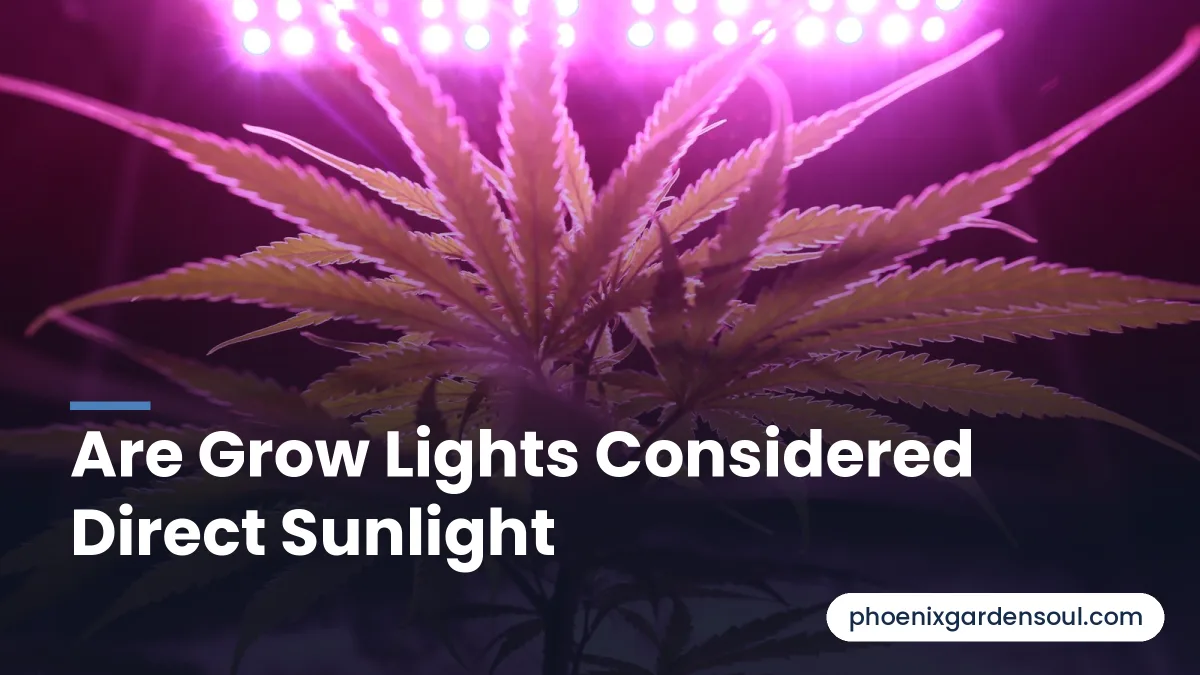
Are Grow Lights Considered Direct Sunlight
As an Amazon Associate we earn from qualifying purchases. Guides are for general information; always check your owner's manual and consult a qualified mechanic when unsure.
Direct sunlight hits your plants with a full blast of energy. It spans UV, visible, and far-red wavelengths. The sun gives a mix that no single bulb fully copies. But grow lights aim close. They target the 400 to 700 nm band. Always follow official safety and maintenance guidelines for best results.
This range drives photosynthesis in plant leaves. So, are grow lights considered direct sunlight? Not in the strict sense. They share key traits with solar rays.
Chlorophyll absorbs light best at red and blue peaks. The sun emits these strongly. A good full-spectrum LED mimics this shape. It sends out red and blue photons. Some LEDs add green and white.
This helps your eye see the light. But the plant cares about the 400 to 700 nm band. It does not care if the source is a star or a bulb. The photon count in that band is what matters.
So, are grow lights considered direct sunlight in terms of spectrum? They overlap a lot. The gaps are small for most plants. You can fill them with smart bulb choices.
Are Grow Lights Considered Direct Sunlight: Legal, Insurance, and Safety Distinctions
Here is where the answer gets clear. No grow light is direct sunlight by law or code. Building rules and insurance policies treat them as artificial sources. The sun is a natural, uncontrolled light source. A grow light is a human-made tool. That distinction matters for safety and compliance. It shapes how you set up your grow space.
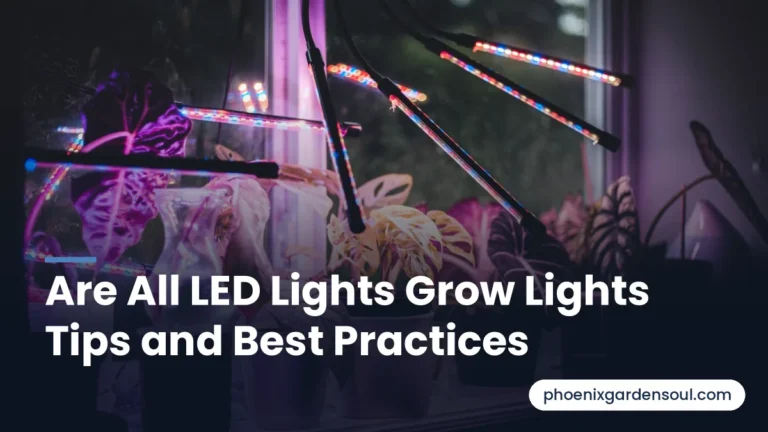
Insurance may not cover plant loss from a light burn. It often covers weather or storm damage. Light trespass laws also apply to grow lights. Your neighbor can file a complaint if your LED spills into their yard. The sun does not cause light trespass. For complementary picks and expert testing advice, see our guide on Are All LED Lights Grow Lights Tips and Best Practices.
It just shines where it wants. So, are grow lights considered direct sunlight for legal or insurance purposes? No. They sit in a separate category.
Safety is another big factor. Bright LEDs can hurt your eyes. The blue light hazard is real at high levels. The sun can do the same. But you control your grow light. You set the timer and the distance. You can reduce risk with simple steps. A shade or a diffuser helps a lot.
- Building Codes: Codes set rules for artificial light. They do not group LEDs with the sun.
- Insurance View: Policies treat sun damage and light burn as separate risks.
- Light Trespass: Grow lights can spill into neighbor spaces. The sun does not trigger this rule.
- Eye Safety: Both sun and LEDs can harm retinas. You control the LED risk with distance and timers.
Keep these points in mind. They guide your setup and your legal safety. Check your local code before you install a large array. Some areas treat high-output LEDs as industrial fixtures. That can trigger extra wiring rules or permits.
Use a grounded outlet for every grow light. Do not daisy-chain cheap power strips. A surge protector adds a layer of safety. Keep cords off the floor to avoid tripping. These small steps protect your plants and your home.
Measuring Light Intensity: Par, Ppfd, and Lux Comparisons Between Sun and Artificial Sources
Sunlight is strong. On a clear day, it hits about 100,000 lux. A full-spectrum LED panel might give 1,000 to 2,000 lux. That gap looks huge. But plants do not measure light in lux. They use PAR, or Photosynthetically Active Radiation. PAR counts the photons that drive photosynthesis. This is a better way to compare sun and LEDs.
PPFD measures PAR on a leaf surface. It counts photosynthetic photons per square meter per second. Full sun can give a PPFD of 2,000 or more. A good grow light at 12 inches might reach 600 to 1,200. That is enough for many plants. But you need the right distance. Too far, and the light drops off fast. Too close, and you burn the leaves.
So, are grow lights considered direct sunlight when we look at PPFD? They can match it in a small zone. The key is your light placement and output. A cheap bulb in a big room will fail. A strong LED panel over a small tent can win. You must match the light to the space.
- Lux Meter: It reads light as the eye sees it. It does not tell you the PAR value for plants.
- PAR Sensor: It measures the 400 to 700 nm band. This is what your plants actually use.
- PPFD Map: A grid reading shows how even your light spreads. The sun is very even. LEDs can have hot spots.
- DLI Calc: Daily Light Integral adds up the light over hours. It tells you if your plants got enough total energy.
You can close the gap between sun and LEDs. You need the right tool and the right setup. A PAR meter or a good app helps a lot. Place the light at the right height. Run it for the right hours. Then your plants get what they need.
Start by testing your light with a PAR sensor. Take readings at the canopy level. Move the sensor around to find hot spots. Note the lowest and highest values. If the gap is more than 30%, your light is uneven. Add a second light or raise the first one. This step alone can fix many growth problems.
How Different Grow Light Technologies Mimic or Diverge From Solar Spectra
Not all grow lights are built the same. Each type pushes out light in its own way. Some come close to what the sun offers. Others cut corners on the spectrum. That gap shapes how well your plants grow under them.
When we ask are grow lights considered direct sunlight, the answer hinges on spectrum. The sun spans a broad range of wavelengths. Artificial lights target specific bands. That targeting can help or hurt your plants depending on the setup.
- Full-Spectrum LED: These diodes spread blue, red, and green light across a wide band. Many modern boards now add white phosphor to fill gaps. The result looks and acts a lot like daylight to your plants.
- High-Pressure Sodium: HPS bulbs lean hard on red and orange wavelengths. They push a warm glow that boosts flowering and fruiting. But they starve plants of blue light needed for leafy growth.
- Metal Halide: MH lamps favor blue and ultraviolet range. They support vegetative stages well. Still, they lack the red spectrum that plants crave during bloom.
- Fluorescent Tubes: These run cool and spread soft light. T5 high-output tubes suit seedlings and clones. They simply can’t match the intensity or full range of sunlight.
Spectrum gaps directly shape plant shape and pace. A bulb missing key wavelengths will stall growth no matter how bright it looks. Matching the light stage to the bulb type keeps your garden moving forward.
Think of each bulb type as a tool. HPS is like a hammer for bloom. MH is like a brush for veg. Full-spectrum LEDs are a Swiss army knife. They do a bit of everything. Your job is to pick the right tool for the job. A seedling needs soft blue light. A flowering plant needs deep red. Match the spectrum to the stage for best results.
Plant Response Patterns Under Grow Lights Versus Direct Sun Exposure
Plants read light through their leaves and stems. They use photoreceptor proteins to sense direction and strength. Under the sun, they get a full, shifting signal all day. Grow lights give a fixed signal that changes how they stretch and leaf out.
Direct sun triggers phototropism, where stems lean toward the brightest source. That movement helps leaves capture more energy throughout the day. Grow lights sit at a fixed angle. Plants respond by stretching unevenly if the light sits too far to one side.
- Stem Elongation: Plants stretch fast when light is weak or one-sided. Strong overhead sun keeps stems short and thick. A single grow light hung low can still cause leggy growth if it doesn’t cover enough area.
- Leaf Flattening: Leaves angle themselves to catch direct rays. Under broad-spectrum lights, they spread out and flatten. Under narrow-spectrum bulbs, they may curl or cup to protect from too much red or blue.
- Flowering Triggers: Long-day plants need extended light cycles to bloom. The sun provides natural seasonal shifts. Artificial light lets you extend the day length. But the spectral quality still drives the flowering signal.
- Stress Markers: Too much direct sun scorches leaves fast. Grow lights rarely cause that burn. But a weak spectrum causes etiolation. Leaves pale and thin out from lack of usable light.
Plant responses reveal whether your light setup truly supports them. A bulb that looks bright to us may give poor usable light to a plant. Watching leaf shape and stem strength tells you what you need to fix. For complementary picks and expert testing advice, see our guide on What Lights Do Plants Need to Grow for Beginners.
Take notes on your plants every few days. Sketch the leaf shape. Measure stem height. Note any color changes. This log helps you spot problems early. It also shows you what works best. Over time, you will learn to read your plants like a book.
Practical Strategies for Replicating Direct Sunlight Conditions with Grow Lights
You can get strong results without the sun. The trick is matching what the sun does, not just what it looks like. That means thinking about distance, duration, and spectrum all together. Treat your grow light like a spare sun, not a backup lamp.
Start with the light source that best covers the full spectrum. Then dial in the hours your plants need for their stage. Finally, adjust the height so the intensity hits the right range at the leaf canopy. These three steps bring you close to what outdoor plants enjoy.
- Light Distance: Hang LEDs 12 to 18 inches above the canopy for strong coverage. Raise the light if leaves curl or bleach. Lower it if stems stretch and thin out fast.
- Photoperiod Control: Use a timer set to 16 hours for vegetative growth. Drop to 12 hours to trigger flowering in short-day plants. Match the schedule to the plant type, not your ease.
- Spectrum Blending: Combine blue-heavy and red-heavy bars for a balanced output. Add a white filler bar if the mix looks too purple to your eyes. A broader visible range means a broader plant response.
- Reflective Surfaces: Line your grow space with white or Mylar walls. This bounces stray light back onto lower leaves. It lifts the overall PPFD without needing a stronger bulb.
These steps close the gap between artificial and natural light. Are grow lights considered direct sunlight in terms of plant results? When you dial in distance, hours. Spectrum together, your plants will respond much like they do outdoors.
Keep a simple log of how your plants look each week. Note leaf color, stem thickness, and growth speed. That record tells you fast if your setup needs a tweak before problems take hold. Small adjustments make a big difference over time.
Comparing Grow Light Technologies Against Direct Sunlight
This side-by-side look helps you see the full picture. Each tech has strengths and limits. Your choice depends on your space, budget, and goals.
| Light Type | Best For | Spectrum Match | Heat Output | Cost Range |
|---|---|---|---|---|
| Full-Spectrum LED | All growth stages | Very high | Low to medium | $$$ |
| HPS | Flowering and fruiting | Low (red-heavy) | High | $ |
| Metal Halide | Vegetative growth | Medium (blue-heavy) | High | $$ |
| Fluorescent T5 | Seedlings and clones | Low to medium | Very low | $ |
| COB LED | High-intensity coverage | High | Medium | $$$ |
- Use This Table: Use this table as a starting point.
- Your Actual Results: Your actual results may vary.
- Room Size, Reflectivity: Room size, reflectivity, and hanging height all play a role.
- Start with One: Start with one light type.
- Then Expand If: Then expand if needed.
- Trying to Do: Trying to do too much at once often leads to wasted money and poor growth.
The sun remains the gold standard. But a well-set LED array can come very close. The key is to use the right tool. Match the light to the plant. Match the light to the room. Then watch your plants respond.
Edge Cases: When Grow Lights Fall Short of Sunlight
Some setups struggle to match the sun no matter what. Large grow rooms with high ceilings need very strong lights. A single small bulb will not cut it. The light drops off too fast with distance. You end up with a bright spot and dark corners.
- Plants in the Vegetative: Plants in the vegetative stage need more blue light.
- If Your Setup: If your setup is red-heavy, they will stretch and lean.
- This Is: This is a common mistake with HPS setups.
- Bloom Is Great: The bloom is great, but the growth phase suffers.
- Add a Blue: You need to add a blue source or switch to a full-spectrum LED.
Another edge case is light deprivation. Some growers use blackout curtains to force flowering. This works with artificial light. It mimics the short days of autumn. But the light quality still matters. A weak light source will not trigger bloom, even with a perfect dark cycle.
Cold rooms also pose a challenge. LEDs run cool, but plants need warmth. The sun heats the air and the leaves. An LED in a cold garage may not give enough heat. You may need a small heater or a light that puts off some warmth. Watch your night temps. They should stay above 60°F for most plants.
Common Questions About Grow Lights and Sunlight
Can Grow Lights Cause Sunburn on Plants?
Yes, if the light sits too close or runs too intense. LED panels can scorch leaf tips when hung under 10 inches. Keep a hand’s width gap minimum and watch for bleaching. Sunburn on plants looks like white, dry patches on the upper leaves. For complementary picks and expert testing advice, see our guide on What Lights Do You Need to Grow Weed for Beginners.
Do Grow Lights Emit Uv Like the Sun Does?
- Some Do: Some do, but most indoor bulbs give off very little UV-B.
- Full-Spectrum Leds: Full-spectrum LEDs may push a small amount of UV-A.
- Hps and Mh: HPS and MH lamps emit trace UV as a byproduct.
- Plants That Need: Plants that need UV-triggered resin production may benefit from added UV-A bars.
How Close Do Grow Lights Need to Be to Replace Sunlight?
For most full-spectrum LEDs, 14 to 18 inches above the canopy works well. That distance gives enough intensity for leafy and flowering plants. You can lower the light to 10 inches for high-light crops like cannabis or tomatoes. Always raise it if you see leaf curl.
Are Grow Lights Considered Direct Sunlight for Plant Health Purposes?
Not in strict terms, but they can give comparable usable light. The key metric is PPFD at the leaf surface, not how bright it looks to us. A well-tuned LED array at the right distance can match midday sun intensity. Plants respond to the light they receive, not the label on the bulb.
Can I Use Multiple Smaller Grow Lights Instead of One Big One?
Yes, and often it works better for even coverage. Several smaller bars let you spread light across a wide canopy. You can also adjust each bar’s height independently. This approach reduces dark spots that a single overhead unit might leave behind.
| Light Source | Spectrum Range | Typical PPFD | Best Growth Stage |
|---|---|---|---|
| Direct Sunlight | Full 380-780nm | 1000-2000+ µmol | All stages |
| Full-Spectrum LED | Targeted 400-700nm | 400-1500 µmol | All stages |
| High-Pressure Sodium | Red-orange heavy | 500-1200 µmol | Flowering |
| Metal Halide | Blue-UV heavy | 400-1000 µmol | Vegetative |
| Fluorescent T5 | Blue-green peak | 100-400 µmol | Seedlings |
Final Thoughts and Next Steps
Grow lights offer a real path to strong plant growth without the sun. Matching spectrum, intensity, and duration to your plant stage makes all the difference. Don’t settle for a bulb that only looks bright to your eyes. Pick the light that gives the full range your plants actually use.
Start with a full-spectrum LED if you’re unsure where to begin. Set your timer, check your hanging height. Watch your plants over the first two weeks. That hands-on approach teaches you more than any guide can.
If you’re still weighing whether are grow lights considered direct sunlight for your setup, focus on plant response. That’s the only measure that matters at the end of the day. Keep it simple. Watch your plants. Adjust as needed. You will learn what works best for your garden.
Each grow cycle teaches you something new. Take notes. Try small changes. Keep what works. Drop what does not. Over time, you will build a setup that gives results. Your plants will thrive, even without the sun overhead.