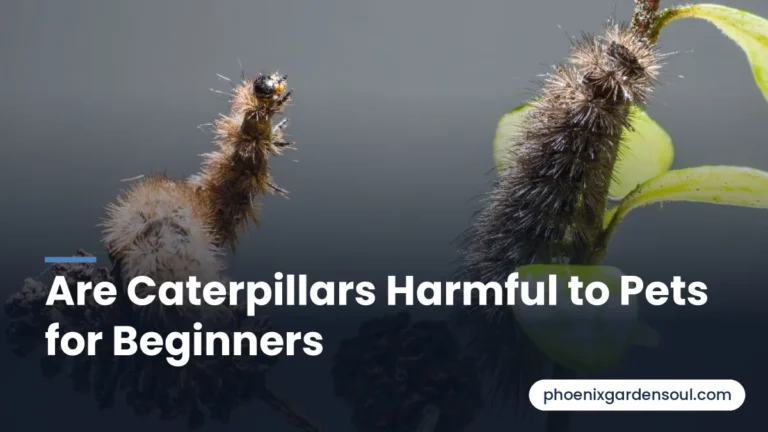
Are Fruit Flies Harmful to Pets Tips and Best Practices
As an Amazon Associate we earn from qualifying purchases. Guides are for general information; always check your owner's manual and consult a qualified mechanic when unsure.
Fruit flies swarm around ripe fruit and trash bins. Many pet owners ignore them. But are fruit flies harmful to pets? The answer is not simple. These tiny bugs seem harmless. Yet they carry real risks for dogs, cats, and birds.
Fruit flies breed fast in warm kitchens. They lay eggs in soft, rotting food. Pets may eat them by accident. A dog might snap at a fly near its bowl. A cat may bat at one during play. This exposes pets to hidden dangers. Always follow official safety and maintenance guidelines for best results.
The main threat is not the fly itself. It is what the fly carries. Fruit flies pick up bacteria from trash and drains. They can transfer germs to your pet’s mouth. In some cases, pets eat fly larvae too. This can cause stomach upset or worse.
So are fruit flies harmful to pets? Yes, in ways many owners miss. The risk grows if your home has a large fly population. Small pets and young animals face higher danger. A few flies may not hurt a big dog. But a cat or a tiny bird can fall ill fast.
You should watch your pet’s behavior closely. Did your dog eat something off the floor near a fruit bowl? Did your cat vomit after chasing flies? These signs need attention. The next sections will help you spot the real threats. We will look at how fruit flies differ from other flies. You will learn which pets face the biggest risk.
Knowing the facts keeps your pets safe. Simple steps can cut the danger. We will share those tips in later sections. For now, understand this: fruit flies are more than a kitchen nuisance. They are a pet health concern you cannot ignore.
Identifying the Real Threat: Fruit Flies Versus Fungus Gnats and Phorid Flies Around Pets
Not all small flies are fruit flies. Many pet owners mix them up. Fungus gnats and phorid flies look similar. But they pose different risks to pets. Spotting the right fly helps you act fast.
Fruit flies are tiny and tan. They love ripe fruit and wine. Fungus gnats are dark and small. They live in damp soil. Phorid flies are slow movers. They thrive in drains and rot. Each fly type needs a different fix.
Are fruit flies harmful to pets in the same way as other flies? Not exactly. Fruit flies mainly spread germs. Fungus gnats can bite pets. Phorid flies may carry more bacteria. Each type needs a unique response plan.
- Fruit Flies: Tan, slow, and found near fruit bowls and trash.
- Fungus Gnats: Dark, tiny, and hover near potted plants and wet soil.
- Phorid Flies: Humpbacked, slow, and common near drains and leaks.
- Horse Flies: Large, painful biters that rarely infest homes but pose outdoor risks.
You can tell them apart by where you see them. Fruit flies swarm over a banana on the counter. Fungus gnats dance around a wet fern. Phorid flies crawl out of sink drains. Each fly signals a different problem in your home.
Why does this matter for pets? A dog chewing on a plant might eat a gnat larva. That can cause a different issue than eating a fruit fly. Phorid flies near drains may spread more harmful bacteria. You need the right fix for the right fly.
Check your home carefully. Look at where flies gather. Look at their size and color. This helps you choose the best trap or cleaner. It also keeps your pets safer. Next, we will look at how these flies harm pets in hidden ways.
How Fruit Flies Pose Hidden Dangers to Dogs, Cats, and Other Household Pets
Fruit flies seem like a minor annoyance. But they carry hidden risks for pets. Dogs and cats often cross paths with them. Birds and reptiles face dangers too. The threats are not always easy to see.
Fruit flies love fermenting fruit and trash. They lay eggs in soft, rotting food. Pets may eat the flies or their eggs. This can upset a pet’s stomach. In some cases, it leads to bigger health issues.
Are fruit flies harmful to pets through disease? Yes. Fruit flies pick up germs from dirty places. They walk on trash, drains, and feces. Then they land on pet food or water bowls. This spreads bacteria like Salmonella and E. coli to pets.
Cats and small dogs are at higher risk. A cat that eats several flies may get diarrhea. Small pets have less body weight to handle toxins. Birds are also very sensitive. Even a few germs can make a bird very sick fast.
- Germ Spread: Flies carry bacteria from waste to pet food and water.
- Myiasis Risk: Fly larvae can live in pet tissue if eggs are laid on skin or wounds.
- GI Upset: Eating large numbers of flies or larvae causes vomiting or loose stools.
- Allergic Response: Some pets develop itching or swelling from fly contact or bites.
Reptiles and small mammals face unique risks. A bearded dragon might eat a fruit fly from its greens. A hamster in a cage near a fruit bowl could ingest fly eggs. These pets have delicate systems. Even small exposures can cause big problems.
You can cut these risks with simple steps. Keep fruit in the fridge or covered. Take out trash daily. Clean pet bowls each day. Wipe counters to remove fly landing spots. These habits stop flies from breeding near your pets.
Watch for signs of trouble after a fly problem. Vomiting, diarrhea, or low energy needs a vet visit. Early care stops small issues from becoming big ones. The next section will help you spot these warning signs fast.
Recognizing the Signs Your Pet Has Been Affected by Fruit Flies or Larval Exposure
Most pets sniff at fruit flies out of sheer curiosity. A quick bat or chase is normal. But repeated exposure tells a different story. That is when you need to watch closely. Pets can’t tell us what bothers them. So we must read the clues they leave behind. For complementary picks and expert testing advice, see our guide on What Plants Do House Flies Hate Tips and Best Practices.
When you ask are fruit flies harmful to pets, the answer often hides in subtle symptoms. Mild cases show irritation. Severe cases reveal poisoning or infection. Spotting the difference early can save your pet a lot of pain.
- Excessive Scratching: Pets may bite or lick paws and skin after fly contact. Allergic reactions to fly saliva or debris drive this. Hot spots can form fast on dogs with thick coats. Cats often over-groom their bellies in response to irritation. This behavior signals something in the space is wrong.
- Gastrointestinal Upset: Vomiting or diarrhea within hours of exposure is a red flag. Pets may have eaten flies or larvae hiding in food. Bacterial contamination from fly-transported germs attacks the gut. Puppies and kittens face higher risk due to small body size. Dehydration from repeated vomiting becomes dangerous quickly in young animals.
- Eye and Nose Irritation: Flies swarm around pet faces, most near food bowls. Discharge from the eyes or sneezing fits suggest chemical sensitivity. Fermenting fruit releases ethanol and acetic acid vapors. These irritate sensitive mucous membranes in dogs and cats. Birds and reptiles react even more sharply to airborne fumes.
Some pets show behavioral shifts before physical symptoms appear. A dog that refuses its food bowl may have noticed foul tastes near it. A cat that hides under furniture may feel unwell. Trust your gut.
You know your pet best. Changes in mood or habit matter just as much as visible signs.
Proven Prevention Strategies to Protect Pets From Fruit Fly Infestations at Home
Stopping fruit flies before they bother your pet is far easier than treating illness. Good housekeeping breaks the fly life cycle at every stage. You cut off food sources, remove breeding sites, and block entry paths. Simple daily habits make a massive difference.
When we consider are fruit flies harmful to pets, prevention is the kindest answer. A clean home is a safe home. Here are tested methods that work in real homes with pets present.
- Fruit Bowl Hygiene: Remove ripe or overripe fruit daily. Store bananas and apples in the fridge until fully used. Wash bowls with hot soapy water to remove residue. Flies lay eggs on fruit surfaces within hours. A clean bowl means zero breeding ground.
- Drain Biofilm Control: Pour boiling water down kitchen and bathroom drains weekly. Biofilm buildup in pipes feeds larvae and sustains entire colonies. Use a drain brush to scrub gunk from inside pipe walls. This method targets hidden populations your eyes cannot see. Pet-safe drain gels available at hardware stores work well too.
- Compost Management: Keep outdoor compost bins sealed with tight-fitting lids. Never place compost near pet doors or play areas. Indoor compost buckets need airtight containers and daily emptying. Decomposing matter releases gases that attract flies from blocks away. Wrap compost materials in newspaper before adding to the bin.
Beyond these core habits, a few extra steps create a strong defense. Apple cider vinegar traps placed far from pet areas catch adults well. Basil and lavender plants on windowsills naturally repel flies.
Check window screens for tiny tears each month. Seal gaps around pipes and utility entries with caulk.
When to Call the Vet: Emergency Protocols for Fruit Fly-Related Pet Illness
Knowing when pro help is needed separates worry from action. Not every fly encounter requires a vet visit. But some situations demand immediate medical care. Waiting too long can turn a treatable issue into a crisis. Your speed matters more than you think.
We often hear people ask are fruit flies harmful to pets. Wonder when the line tips. Here are clear signals that your pet needs the vet now. Do not wait for symptoms to “resolve on their own.”
- Persistent Vomiting: More than two episodes in one hour is concerning. Vomit containing white foam or bile suggests stomach irritation from ingested flies. Blood in vomit signals internal damage requiring immediate attention. Small breeds dehydrate dangerously fast. Rush to the clinic if your pet cannot keep water down.
- Labored Breathing: Rapid panting or open-mouth breathing in cats is never normal. Fly irritants can trigger airway inflammation within minutes. Birds may wheeze or bob their tails during breathing. Move your pet to fresh air right away. Then call your vet for next steps.
- Neurological Symptoms: Tremors, staggering, or sudden collapse point to toxin ingestion. Mycotoxins from fly-contaminated moldy food attack the nervous system. A dog that seems “drunk” needs emergency evaluation. Seizures demand immediate pro intervention. Document the symptoms on your phone to show the vet.
Before heading to the clinic, gather key information. Note the time symptoms started. Collect any vomit or stool samples in sealed bags. Remove remaining suspect food from the area.
Keep your pet calm and warm during transport. Quick thinking and fast transport give your pet the best chance. Most pets recover fully when treatment starts early. Delayed care often leads to worse outcomes and higher costs. For complementary picks and expert testing advice, see our guide on What Fruit Can You Grow in a Raised Garden Bed.
Methods Compared: What Works and What to Avoid
| Method | Pets Safe? | Effectiveness | Effort Level |
|---|---|---|---|
| Vinegar trap (placed away from pets) | Yes | High | Low |
| Chemical fly spray near pet areas | No | High | Low |
| Essential oil diffusers (eucalyptus/peppermint) | Caution | Moderate | Low |
| Drain cleaning with boiling water | Yes | High | Medium |
| Sticky traps near pet zones | Risk of sticking | Moderate | Low |
Common Questions Pet Owners Ask
Can Fruit Flies Make My Dog Sick From Eating Them?
A single fly usually does not harm a healthy adult dog. The real danger comes from large numbers of flies or larvae. Flies carry bacteria from garbage and fecal matter to your pet’s food bowl. Repeated ingestion of contaminated flies can cause stomach upset. Watch for diarrhea or vomiting after any fly-eating binge.
Are Fruit Flies Harmful to Pets Like Cats and Birds Differently?
- Cats Groom Themselves: Cats groom themselves so ingested flies pass through their system quickly.
- Flies Near a Cat’s: However, flies near a cat’s face cause eye irritation and sneezing.
- Birds Face: Birds face the greatest risk because their respiratory systems are extremely sensitive.
Even a few flies near a bird cage can trigger breathing problems. Move bird cages away from kitchen areas where flies gather most.
What Should I Do If My Pet Eats Fruit Fly Larvae?
Larvae from a single fruit piece are unlikely to cause serious harm. Large amounts can trigger nausea and intestinal blockage in small pets. Offer your pet plenty of fresh water and monitor for vomiting. Call your vet if symptoms appear within 24 hours. Puppies and kittens need faster veterinary assessment due to their size.
Can I Use Essential Oils to Repel Fruit Flies Around My Pets?
Some oils like eucalyptus and peppermint repel flies well. However, cats lack enzymes to process certain oils safely. Diffuse oils in rooms pets do not occupy. Never apply undiluted oils directly to pet fur or skin. Store oil bottles tightly sealed away from curious paws and noses.
How Do I Know If the Flies in My Home Are Fruit Flies or Something Worse?
Fruit flies are tan and about 3 millimeters long with red eyes. Fungus gnats are darker and hover near houseplant soil. Phorid flies are smaller and scuttle across surfaces rather than flying. If you see small black flies near drains, those are likely phorid flies. Correct identification helps you choose the right fix and keep pets safe.
Final Thoughts and Next Steps
Pet safety and home cleanliness go hand in hand. Now you know what signs to watch for and how to act. Simple daily habits keep fruit fly populations under control. You also know exactly when a vet visit is non-negotiable. Quick responses protect the pets you love most. Share this guide with fellow pet owners who face the same tiny but mighty problem.
Start today by checking your fruit bowls and drains. Remove the breeding sites that invite flies inside. Set up safe traps away from pet zones. Monitor your pets for any changes in behavior or health. When questions arise about are fruit flies harmful to pets, you now have clear answers. Stay alert, stay clean, and keep those tails wagging.