Are Caterpillars Harmful to Pets for Beginners
As an Amazon Associate we earn from qualifying purchases. Guides are for general information; always check your owner's manual and consult a qualified mechanic when unsure.
So you’re wondering about whether caterpillars pose a risk to your pets. Many cats and dogs chase bugs out of sheer curiosity. That curiosity can lead to a real problem fast. Always follow official safety and maintenance guidelines for best results.
Some caterpillar species carry venomous spines or toxins. These can cause pain, swelling, or worse in your pet. The answer to are caterpillars harmful to pets depends on the species and your animal’s reaction.
We’ve put together this guide to help you spot the risks. You’ll learn which caterpillars to watch for and what to do after contact. Let’s break it down clearly so you can keep your pet safe.
What Pet Owners Need to Know Right Now
Not every caterpillar is a threat, but many pet owners assume their yard is safe. That’s not always true. Venomous species often hide on common garden plants. Your pet can encounter them during a simple walk or yard play session.
So, are caterpillars harmful to pets? Yes, certain ones absolutely are. The danger comes from spines, toxins, or even intestinal blockages after eating them. Knowing the signs and acting fast can prevent a minor issue from becoming a crisis. For complementary picks and expert testing advice, see our guide on Natural Remedies for Caterpillars for Beginners.
- Venomous Spines: Certain species give painful toxins through hollow, sharp hairs.
- Toxic Saliva: Some caterpillars release harmful chemicals when chewed or licked.
- Choking Risk: Eating large caterpillars can block a pet’s digestive tract.
- Parasite Carriers: Wild caterpillars often host worms that infect pets.
- Quick Vet Action: Early treatment prevents serious complications and speeds recovery.
Identifying the Most Dangerous Caterpillar Species for Household Pets
Several caterpillar species common in North American yards can hurt your pet. The Asp caterpillar, also called the puss caterpillar, packs a painful venomous sting. It often sits on oak trees and shrubs near homes.
The Io moth caterpillar is another threat. Its bright green body has spiny clusters that release toxin on contact. The Saddleback caterpillar looks like a colorful little potato, but its sting burns badly. Pets that sniff or bat at these bugs often get stung on the nose or paws.
Are caterpillars harmful to pets in your region? It depends on where you live and what species are common. Southern states see more venomous encounters due to warmer climate and diverse insect populations. But no area is completely free from risk. Here are the top species to teach your family to avoid:
- Asp Caterpillar: Fluffy tan or brown caterpillar hiding on oak leaves and tree bark.
- Saddleback Caterpillar: Bright green with a brown saddle mark and sharp, toxin-tipped spines.
- Io Moth Caterpillar: Lime green body with red and white spiny rows along its back.
- Puss Caterpillar: Soft, furry appearance hiding extremely painful venomous spines underneath.
- IO Sphinx: Large green caterpillar found on tomato and tobacco plants that irritates pets.
How to Spot a Dangerous Caterpillar in Your Yard
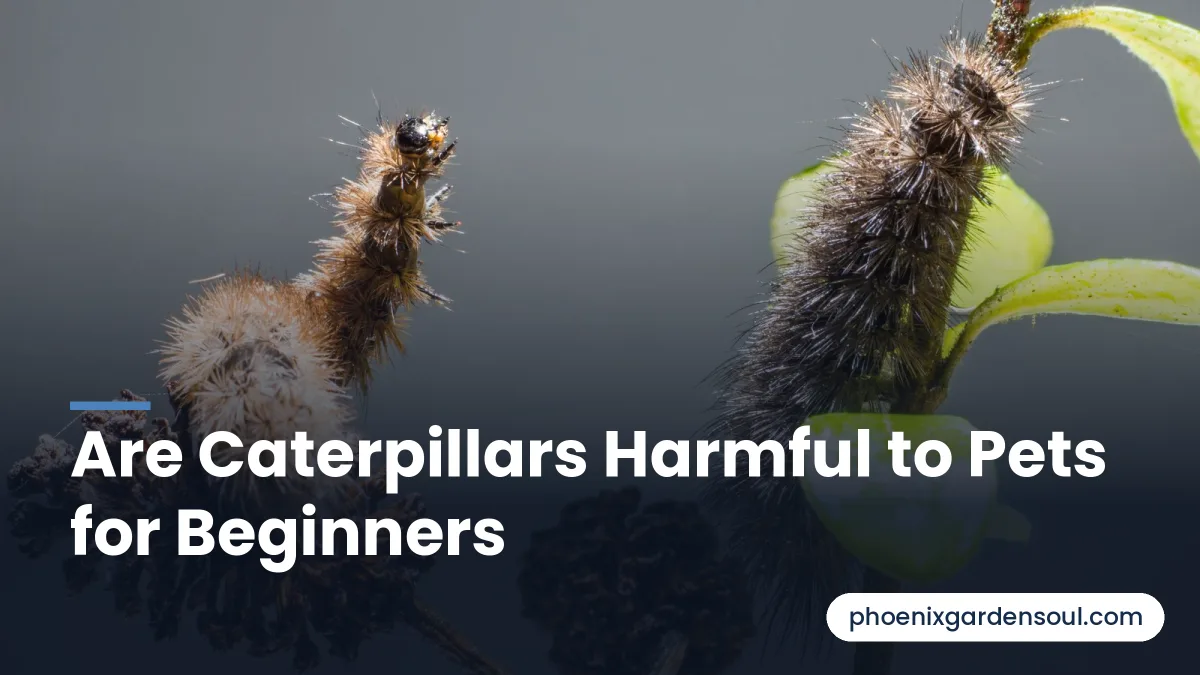
Learn the visual cues that set venomous species apart. Many safe caterpillars have smooth, fuzzy bodies. Dangerous ones often have sharp spines or vivid warning colors. Bright reds, oranges, or yellows paired with black stripes signal toxicity. Hairy or spiny textures on a caterpillar should always raise a flag.
Teach children to never touch any caterpillar they don’t know. Show them the specific dangerous species on a simple photo chart. Walk your yard after rain when caterpillars are most active. Use a stick to gently move leaves and inspect the undersides. Early recognition stops encounters before they happen.
Are Caterpillars Harmful to Pets: Clinical Signs and Immediate Emergency Response
When your pet encounters a toxic caterpillar, symptoms show up fast. You might see redness, swelling, or hair loss at the contact site. Dogs often whine, lick their paws, or scratch at their face repeatedly.
Cats tend to bite at the area or shake their head. Some pets drool heavily after chewing on a caterpillar. Vomiting or diarrhea can follow if toxins get swallowed. In bad cases, breathing trouble starts.
That’s when you need to rush to the vet. So, are caterpillars harmful to pets enough to need emergency care? Absolutely, if you see these signs, don’t wait.
Quick action makes a huge difference. Here’s what you should do right after contact:
- Wash Area: Gently clean the sting site with cool water and mild soap.
- Remove Spines: Use tape to lift any hidden spines off the skin carefully.
- Cold Compress: Apply a cold pack wrapped in cloth for ten minutes.
- Check Breathing: Watch for panting, wheezing, or labored breaths that signal distress.
- Call Vet: Contact your vet or ASPCA Poison Control at once for guidance.
Step-By-Step First Aid for Caterpillar Stings on Pets
Start by restraining your pet calmly. Anxious animals may bite or scratch. Put on gloves if you have them. Use a clean cloth soaked in cool water to wipe the sting site. Rub gently for at least two minutes. This removes loose spines and surface toxins. Avoid using hot water. Heat can activate more venom proteins. After washing, pat the area dry with a fresh towel. Inspect the skin closely for embedded spines. If you see tiny black dots, those are spine tips.
Press a piece of tape firmly onto the skin and peel it off. Repeat this until no more spines stick to the tape. Apply a cold compress wrapped in cloth. Keep it on for ten minutes. Then remove it for ten minutes. Repeat this cycle if swelling continues. Do not apply ice directly to the skin. It can cause frostbite on sensitive pet tissue. Call your vet even if the reaction seems mild. Some venom effects delay by several hours.
The Hidden Dangers: Ingestion, Obstruction, and Parasite Transmission Risks
Stings aren’t the only way caterpillars hurt pets. Eating one creates a different set of problems entirely. Many pets chase and swallow caterpillars without a second thought.
Their digestive system wasn’t built to process bugs with tough, hairy bodies. A large caterpillar can get stuck in the stomach or intestines. This blockage, called a gastrointestinal obstruction, is a serious vet emergency.
Symptoms of blockage include repeated vomiting, no appetite, and a hard, painful belly. Your pet may act tired or refuse to move. Some caterpillars carry intestinal parasites inside their bodies. When your pet eats one, those parasites enter the system too.
Roundworms and hookworms can develop from that single bite. So, are caterpillars harmful to pets even if they just eat one? Yes, the internal risks are real and need prompt vet care.
Watch for these signs after your pet eats something fuzzy outside:
- Vomiting: Repeated throwing up within hours of eating a caterpillar or bug.
- Belly Pain: Whining when you touch the stomach or a hunched posture.
- No Appetite: Skipping meals and showing zero interest in treats or food.
- Lethargy: Unusual tiredness and unwillingness to play or go for walks.
- Worms in Stool: Visible parasites or worms showing up days later in bowel movements.
What Happens Inside When a Pet Swallows a Caterpillar
Once swallowed, the caterpillar enters the acidic stomach space. The tough hairs and spines resist digestion. They can lodge in the stomach lining or intestinal lining. This causes local irritation and inflammation. The body may try to push the foreign object through. But large chunks often get stuck at narrow junctions. The result is a partial or full blockage. Blood supply to the trapped tissue can suffer.
This leads to tissue death in severe cases. Parasites inside the caterpillar are released during digestion. They attach to the intestinal wall and feed on nutrients. A single caterpillar can introduce multiple parasite types. Regular deworming does not always cover these specific invaders. Your vet may need to run a fecal test. Imaging like X-rays or ultrasound helps locate the blockage. Early surgery often prevents long-term gut damage.
Species-Specific Toxic Mechanisms and Veterinary Treatment Protocols
Different caterpillars attack pets in different ways. The Asp caterpillar’s venom causes immediate, sharp pain like a bee sting. Swelling often spreads fast and can last several hours. The Saddleback’s toxin triggers a burning rash that turns red and bumpy. Pets scratch at it, which breaks the skin and invites infection. For complementary picks and expert testing advice, see our guide on Is It Cruel to Keep Garden Snails as Pets for Beginners.
The Io moth caterpillar gives a more severe reaction in sensitive animals. Some pets develop hives all over their body. Others face breathing trouble that needs urgent oxygen support. Vets treat stings with antihistamines, pain meds, and sometimes steroids.
For blockages caused by eating caterpillars, the protocol changes completely. The vet might use X-rays to find the blockage’s exact location. Then they decide if surgery or medication can clear it safely.
Every species requires a tailored treatment plan. Tell your vet exactly what your pet touched or ate. That info helps them act faster and pick the right medicine. Here’s a quick look at how vets handle common toxic encounters:
- Antihistamines: Given to reduce swelling, hives, and allergic reactions from venom stings.
- Pain Relief: Medications like carprofen or meloxicam manage severe sting discomfort safely.
- Steroids: Used in serious allergic reactions to calm the immune system response fast.
- IV Fluids: Supportive hydration given when vomiting or dehydration follows toxin ingestion.
- Surgery: Required for stubborn gastrointestinal blockages that medication cannot safely clear.
Pet insurance often covers these emergency visits. Check your policy details ahead of time so you’re ready. Having that plan in place means you focus on your pet’s recovery, not the bill.
How Vets Diagnose Caterpillar Envenomation in Dogs and Cats
Your vet starts with a full physical exam. They check heart rate, blood pressure, and breathing rate. The skin around the sting site gets a close look. Redness, swelling, and spine marks are noted. Blood work checks organ function and clotting times. In severe cases, a urinalysis detects kidney stress.
The vet asks about when the contact happened. They want to know the caterpillar type if you know it. Bringing a photo or the actual specimen helps greatly. That info lets the vet choose the right antivenom or support care. Fast diagnosis leads to faster relief for your pet.
Prevention Strategies: Landscaping, Supervision, and Seasonal Awareness
Keeping pets safe starts with your yard. Are caterpillars harmful to pets? Yes, so your landscape choices matter a lot. A few smart changes can cut the risk sharply.
You don’t need to rip out every plant. Small, steady habits make a big difference. Here are steps that work well for most homes.
- Plant Selection: Choose native, low-risk plants for your yard. Avoid flowering shrubs that draw heavy moth and butterfly laying. Stick with hardy species that don’t host caterpillar nests.
- Yard Checks: Walk your property weekly during warm months. Look under leaves and along fence lines for egg clusters. Remove any clusters you find with gloves on.
- Leash Supervision: Keep pets on a leash during peak caterpillar season. Curious dogs and cats will sniff and bite anything they find. A short leash gives you full control.
- Seasonal Timing: Spring and early fall bring the most caterpillar activity. These are the weeks to stay extra alert. Hatch waves often follow warm rains.
Landscaping with care reduces hiding spots and food sources. Trim back overgrown bushes near walkways and pet zones. A tidy yard is a safer yard for every pet.
Building a Caterpillar-Safe Outdoor Space for Pets
Start by mapping your yard’s high-risk zones. Areas under oak trees often harbor Asp caterpillars. Vegetable gardens may host Io sphinx caterpillars on tomato plants. Move pet play areas away from these zones. Use raised garden beds with smooth edges. This makes it harder for caterpillars to drop onto pets. Install motion-activated lights along walkways. Many caterpillars are nocturnal and move at night. A sudden light startles them away from paths.
Consider planting caterpillar-repelling herbs like mint or lavender. These strong scents deter moths from laying eggs. Encourage natural predators like birds and wasps. A birdhouse near your yard invites caterpillar-eating species. Keep grass trimmed short in pet zones. Short grass exposes caterpillars to birds and makes them easier to spot. Regularly clean up fallen fruit and leaf litter. These are prime hiding spots for egg masses.
Post-Exposure Care and Long-Term Prognosis for Affected Animals
If your pet has been near a caterpillar, watch them closely. Quick action after contact can stop things from getting worse. Most pets recover well with the right steps.
Start by rinsing the affected skin area with cool water. This helps wash away leftover toxins or spines. Then check for swelling, redness, or hives. Your calm response helps your pet stay calm too.
- Skin Washing: Use mild soap and cool water on the site. Gently rub for at least two full minutes. This removes lingering venom particles from the fur.
- Symptom Log: Write down what you saw and when. Note chewing, licking, drooling, or trembling. A clear timeline helps your vet act faster.
- E-collar Use: Put a cone on your pet if they keep biting at a spot. This stops further toxin absorption through the mouth. It also protects healing skin from reopening.
- Vet Follow-up: Call your vet even if symptoms seem mild at first. Some reactions get worse over several hours. A check-up rules out internal issues.
Most pets bounce back within one to three days after treatment. Serious cases need more time and medication. Long-term damage is rare when you act fast. For complementary picks and expert testing advice, see our guide on How to Prevent Caterpillars in Garden for Beginners.
Your quick response shapes the whole outcome.
Creating a Recovery Plan for Pets After Caterpillar Exposure
Set up a quiet recovery space indoors. This should be a calm room away from other pets and kids. Use soft bedding and keep the heat easy. Monitor your pet’s appetite and water intake closely. Offer small, bland meals if they refuse regular food. Watch the sting site for signs of infection. Redness spreading, pus, or a foul smell needs vet care.
Keep the e-collar on until the skin fully heals. Many pets try to remove it too early. Follow-up vet visits ensure internal healing is on track. Your vet may prescribe a short course of antibiotics. Complete the full course even if your pet seems better. This prevents secondary bacterial infections from setting in.
Common Myths and Misconceptions About Caterpillar Safety
Many pet owners believe only exotic caterpillars are dangerous. That’s not true. Common backyard species cause most pet emergencies. Another myth says indoor pets don’t need worry. Moths carry caterpillar hairs indoors on their bodies. These hairs can trigger reactions in cats and dogs. Some owners think a caterpillar sting is like a mosquito bite.
It is much worse. Venomous spines cause deep tissue pain and swelling. Another false belief is that all fuzzy caterpillars are safe. Fuzz often hides venomous spines beneath. The puss caterpillar looks soft and cuddly. Its sting sends many pets to the emergency vet. Never assume a caterpillar is harmless based on looks alone.
Why “It’s Just a Bug” Is Dangerous Thinking
- Dismissing Caterpillar Encounters: Dismissing caterpillar encounters as minor leads to delayed care.
- Pets Can’t Tell: Pets can’t tell us how much pain they feel.
- Stoic Dog: A stoic dog may hide severe symptoms.
- Cat May: A cat may stop eating without obvious signs.
- By the Time: By the time you notice trouble, toxins may have spread.
- Quick Action: Quick action prevents this delay.
- Treat Every Unknown: Treat every unknown caterpillar encounter with respect.
- Phone Call: A phone call to your vet takes only minutes.
- That Call: That call can save your pet from a crisis.
Key Points for Keeping Your Pet Safe From Caterpillar Harm
So, are caterpillars harmful to pets? The answer is clear for some species. Knowing what to do keeps your furry friend safe. Here are the core points every pet owner should keep in mind.
- Toxic Species: Asp, puss, io moth, and saddleback caterpillars pose real threats. Learn what these look like in your area. Recognizing them early saves critical reaction time.
- Quick Response: Rinse the skin and call your vet right away. Don’t wait for symptoms to get bad. Early washing lowers the severity of reactions.
- Yard Management: Trim plants and remove egg clusters regularly. A well-kept yard cuts down caterpillar numbers. This simple step protects pets every single day.
- Insurance Check: Review your pet insurance plan for venom treatment coverage. Emergency vet visits can add up fast. Good coverage gives you one less thing to worry about.
Staying informed and ready makes all the difference. You don’t need to fear every bug you see. You just need a solid plan for the ones that matter. Preparation and awareness keep your pet safe through every season.
Final Thoughts and Next Steps
Protecting your pet from caterpillar harm takes awareness and simple daily habits. You now know which species to watch for and what signs to spot fast. Keep your vet’s number handy and your yard well-maintained. These small efforts stack up into strong pet protection over time.
So, are caterpillars harmful to pets in your specific area? Check local guides for species common near your home. Talk to your vet about regional risks. Share what you learn with neighbors who have pets too. A community that stays alert keeps more animals safe from preventable harm.