Are Caterpillars Harmful to Humans for Beginners
As an Amazon Associate we earn from qualifying purchases. Guides are for general information; always check your owner's manual and consult a qualified mechanic when unsure.
Not all caterpillars pose a threat to people. Many are safe. Some can hurt you badly. So, are caterpillars harmful to humans? The answer is: it depends on the species.
You need to know which ones to watch for. This guide breaks down the real risks. We will look at venomous types, skin reactions, and where you might meet them. You will learn how to stay safe. We will also cover what to do if you get stung. Always follow official safety and maintenance guidelines for best results.
Are Caterpillars Harmful to Humans: Species-Level Risk Stratification
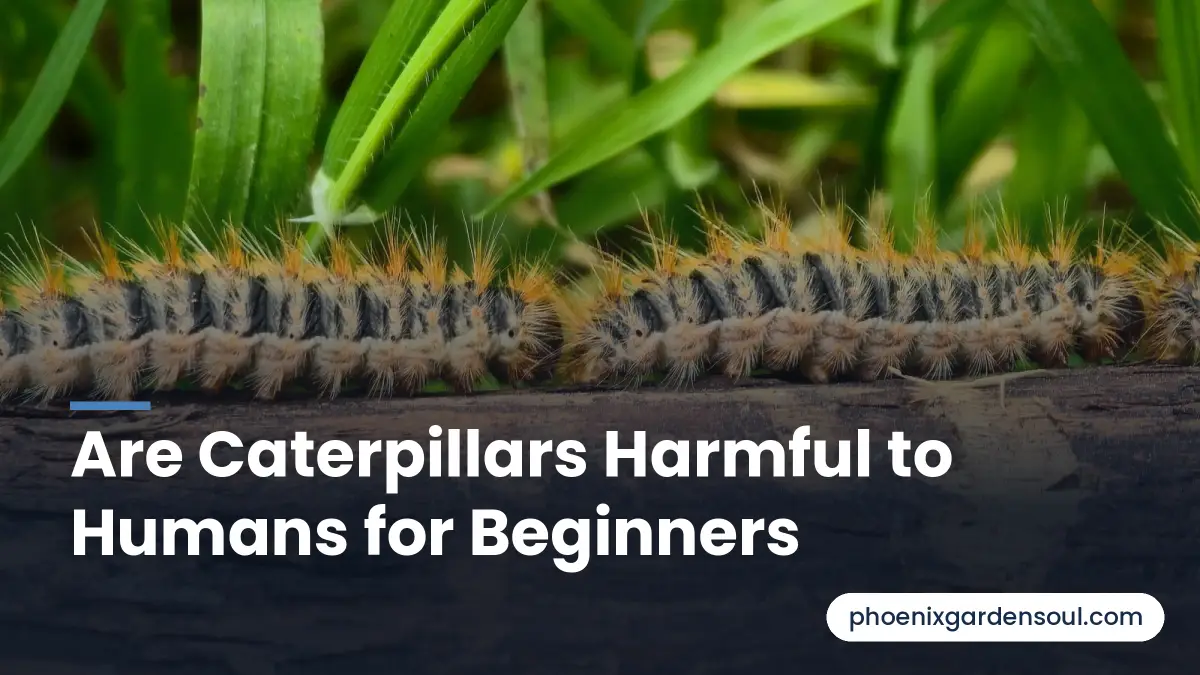
Most caterpillars are not dangerous. They eat leaves and grow. A few carry venom. Others have sharp hairs. These can cause pain or bad reactions. Knowing the type helps you stay safe. Here is how experts sort the risks.
- Venomous Spines: Some species inject venom through hollow spines. This can cause intense pain, swelling, and even systemic symptoms like nausea or difficulty breathing. The saddleback caterpillar and puss caterpillar are prime examples found in North America.
- Urticating Hairs: Many caterpillars have barbed hairs that break off on contact. These do not inject venom but can lodge in skin, causing itching, rash, and irritation. The oak processionary moth caterpillar is a well-known example in Europe.
- Non-Toxic Species: The vast majority of caterpillars are harmless. They may startle you, but they cannot sting or cause injury. The familiar monarch caterpillar feeds on milkweed and poses no sting risk to people.
- Allergenic Species: Certain caterpillars trigger allergic reactions through contact alone. Their setae or fluids can cause hives or asthma-like symptoms in sensitive individuals, even without a sting.
Are caterpillars harmful to humans? The risk level changes by region. A species that is common and dangerous in Brazil may not live near you. But you should still treat unknown caterpillars with respect. Do not touch fuzzy or spiny ones with bare hands.
Venomous Caterpillar Species and Their Clinical Effects on Humans
A few caterpillars pack a serious punch. Their venom can cause more than pain. Here are the most dangerous species and what they do to humans.
- Lonomia obliqua: This South American species causes the most severe envenomations known. Its venom can lead to internal bleeding, kidney failure, and even death. It is a leading cause of accident-related death in parts of Brazil during outbreak seasons.
- Megalopyge opercularis (Puss Caterpillar): It looks soft. Furry but hides sharp spines under its hair. A sting causes immediate, excruciating pain, swelling, and sometimes nausea or headache. It is the most venomous caterpillar in North America.
- Lymantria dispar (Gypsy Moth): The hairs of this caterpillar can cause severe rashes. Breathing issues in sensitive people. Outbreaks in forests and yards lead to many dermatology visits each year.
- Thaumetopoea pityocampa (Pine Processionary): Common in southern Europe. North Africa, its hairs contain a toxin called thaumetopoein. Contact causes intense skin irritation and can trigger allergic reactions or eye problems.
Venom effects vary by species and person. Some stings cause local pain that fades in hours. Others trigger full-body reactions. The Lonomia species is the clearest example of a life-threatening caterpillar sting. If you live in or visit areas where these species are active, learn to identify them. Early recognition helps you avoid a hospital visit.
Caterpillar Dermatitis and Allergic Reactions: Mechanisms and Symptoms
Not all caterpillar injuries come from a sting. Many problems come from contact with tiny hairs. These hairs can break off and stick to your skin. This causes a condition called caterpillar dermatitis. The medical term for broader reactions is lepidopterism. Let us look at how this happens.
Urticating hairs are tiny, barbed structures. They act like tiny needles. When they touch skin, they pierce the outer layer. Some hairs release irritating proteins. Others trigger your immune system to overreact. This leads to redness, swelling, and itching. In sensitive people, the reaction can spread well beyond the contact site.
- Contact Dermatitis: Red, itchy patches appear where the caterpillar touched you. The rash may form small bumps or blisters. It usually clears within a few days but can last longer.
- Urticaria (Hives): Welts spread across the skin, often with a stinging or burning feeling. This is a more widespread allergic response to caterpillar hairs or venom.
- Respiratory Issues: Inhaling shed caterpillar hairs can trigger coughing, wheezing, or asthma flare-ups. This is a real risk when caterpillars are abundant in wooded areas.
- Eye Irritation: Hairs that reach the eye can cause severe pain, redness, and swelling. Rub your eye, and you risk scratching the cornea, which makes things much worse.
If you notice a rash after touching a caterpillar, clean the area with soap and water. Do not scratch. Scratching can push hairs deeper or break the skin, leading to infection. Cool compresses help ease itching. If breathing trouble starts, get medical help right away.
Geographic Hotspots and Seasonal Risk Factors for Caterpillar Encounters
Where you live changes your risk. Some regions have more dangerous caterpillars. The season also matters. Caterpillars are most active in spring and summer. They are often near trees, shrubs, and gardens. Here are the main hotspots and timing factors to keep in mind.
- South America: Brazil and surrounding areas host Lonomia species. Outbreaks often happen during rainy seasons when caterpillars cluster on trees near homes and farms.
- Southern Europe: Pine processionary caterpillars thrive around the Mediterranean. They build white silk nests in pine trees. Their hairs drop to the ground, most in late winter and early spring.
- North America: Venomous species like the puss caterpillar. Saddleback are found across the southern and eastern United States. They appear most often in late spring and summer.
- Urban and Suburban Areas: Gypsy moth caterpillars can surge in city parks and suburban forests. Their outbreaks often peak in mid-summer, raising the risk of skin reactions for residents.
Are caterpillars harmful to humans more in certain places? Yes. If you travel to a region with known venomous species, do extra research before you go. Wear long sleeves and gloves when gardening or hiking in outbreak zones. Teach children not to touch fuzzy or unusual caterpillars. Simple steps cut your risk greatly.
First Aid Protocols and Medical Treatments for Caterpillar Stings
Quick action cuts the risk of bad reactions. You need to act fast. The right first aid stops pain from spreading. It also lowers the chance of a worse response.
Start by getting away from the caterpillar. Don’t touch it again. Brushed hairs can still sting you. Use a flat edge to remove them. A credit card works well for this task. For complementary picks and expert testing advice, see our guide on How to Prevent Caterpillars in Garden for Beginners.
- Remove Hairs: Use tape or a credit card edge to lift off tiny hairs. Press gently. Do not rub the skin. Rubbing spreads the irritant. Repeat until you clear all strands.
- Clean the Area: Wash with soap and cool water. This removes leftover toxins. Pat dry with a clean cloth. Avoid hot water. Heat can open pores and let more venom in.
- Reduce Swelling: Apply a cold pack wrapped in cloth. Keep it on for ten minutes. The cold numbs the pain. It also slows the body’s inflammatory response.
- Ease Itching: Use an over-the-counter antihistamine cream. Oral antihistamines can help too. They block histamine release. This reduces redness and the urge to scratch.
- Watch for Reactions: Check the site every few hours. Look for spreading redness or new bumps. Fever or trouble breathing needs a doctor fast.
Some stings need a clinic visit. The puss caterpillar sting often causes sharp pain. You may see a red line forming. This can signal a venom spread. Don’t wait if symptoms grow.
Medical care may include prescription pain relief. Doctors might give steroids for bad swelling. In rare cases, they use antivenom. This is for severe systemic reactions only.
Coexisting Safely: Prevention Strategies and When to Seek Emergency Care
Prevention is the best way to stay safe. You can enjoy nature without fear. A few simple steps lower your risk a lot. Knowing when to call for help is just as vital.
- Wear Gloves: Use thick gloves when pruning plants. Many caterpillars hide on leaves. They blend in with the foliage. A glove stops direct contact completely.
- Check Before Touching: Look at plants and trees first. Scan the undersides of leaves too. Caterpillars often rest there. Teach kids to do this check as well.
- Avoid Bright Lights at Night: Many species come out after dark. Porch lights attract moths and caterpillars. Swap yellow bug bulbs for white ones. This draws fewer insects to your door.
- Remove Nest Sites: Knock down web nests in early spring. Use a long stick while wearing a hat. Do this at dawn when caterpillars are less active. Check for nests on swings or patio furniture too.
You should seek emergency care right away. Trouble breathing is a top red flag. It can mean anaphylaxis is starting. Swelling of the face or tongue is another. These signs need a 911 call without delay.
Severe pain that won’t stop also needs help. Vomiting or a racing heart is a warning. A red line spreading from the bite marks infection. Don’t drive yourself if you feel faint. Call an ambulance instead.
Practical Risk Assessment and Final Guidance
The answer to “are caterpillars harmful to humans” depends on the species. Most caterpillars are safe and just eat plants. A few carry venom or irritating hairs. Knowing which ones to watch for is your best defense.
- Know Your Area: Learn the toxic species near you. Lonomia obliqua lives in South America. The puss caterpillar is common in the US South. Oak processionary moths are a risk in Europe.
- Respect Their Space: Don’t pick up fuzzy or spiny caterpillars. Bright colors often warn of danger. A simple “look but don’t touch” rule works well for kids and adults alike.
- Act Fast if Stung: Follow the first aid steps we listed. Remove hairs, clean the skin, and use a cold pack. These steps stop most mild reactions from getting worse.
- Keep a First Aid Kit Ready: Stock antihistamines and adhesive tape. Add a cold pack and clean bandages. Having these ready helps you respond without panic.
Are caterpillars harmful to humans? The vast majority pose no real threat. They play a key role in nature. With the right knowledge, you can share your yard with them safely. Stay alert, teach your family, and enjoy the outdoors with confidence. For complementary picks and expert testing advice, see our guide on How to Keep Caterpillars Out of Garden for Beginners.
| Stage / Task | Key Action to Take | Recommended Frequency | Priority |
|---|---|---|---|
| Initial Setup & Prep | Clear workspace, inspect parts, and check baseline settings | Before Each Session | Easy |
| Surface & Filter Care | Wipe exterior surfaces and rinse or tap out dust traps | Weekly | Easy |
| Deep Part Inspection | Check seals, moving joints, and air paths for wear | Monthly | Moderate |
| Full Consumable Check | Replace worn belts, filters, or seals to keep peak power | Every 6 Months | High |
Frequently Asked Questions
What Should I Do If a Caterpillar Lands on My Skin?
Stay calm and don’t brush it off with your bare hand. Use a piece of tape or a leaf to gently lift it away. Then wash the spot with soap and cool water right away.
Can Caterpillar Hairs Cause a Reaction Without Touching the Caterpillar?
Yes, tiny hairs can break off and float in the air. They can land on your skin or get into your eyes. This is why wearing a hat and sunglasses helps in caterpillar-heavy areas.
Are All Fuzzy Caterpillars Dangerous to Touch?
No, many fuzzy caterpillars are completely harmless. However, fuzzy or spiny hairs often signal a defense mechanism. It is safest to treat all unknown caterpillars as potentially harmful and avoid direct contact.
How Long Does a Caterpillar Sting Reaction Usually Last?
Mild pain and redness often fade within one to two days. More serious stings can cause swelling that lasts a week. If symptoms keep getting worse, you should see a doctor.
Is There a Vaccine or Antivenom for All Caterpillar Stings?
No, there is no single vaccine for all species. Antivenom exists for specific severe stings like the Lonomia obliqua. Most mild reactions are treated with over-the-counter creams and oral antihistamines.
Final Thoughts and Next Steps
Understanding the real risks helps you live with nature safely. Most caterpillars are just part of the outdoor world. They turn into moths and butterflies that we all enjoy. A little knowledge goes a long way in avoiding harm.
Keep this guide handy during caterpillar season. Share the first aid steps with your family and friends. A quick check before you garden or hike can save you from pain. Stay informed, stay careful, and enjoy your time outside with peace of mind.