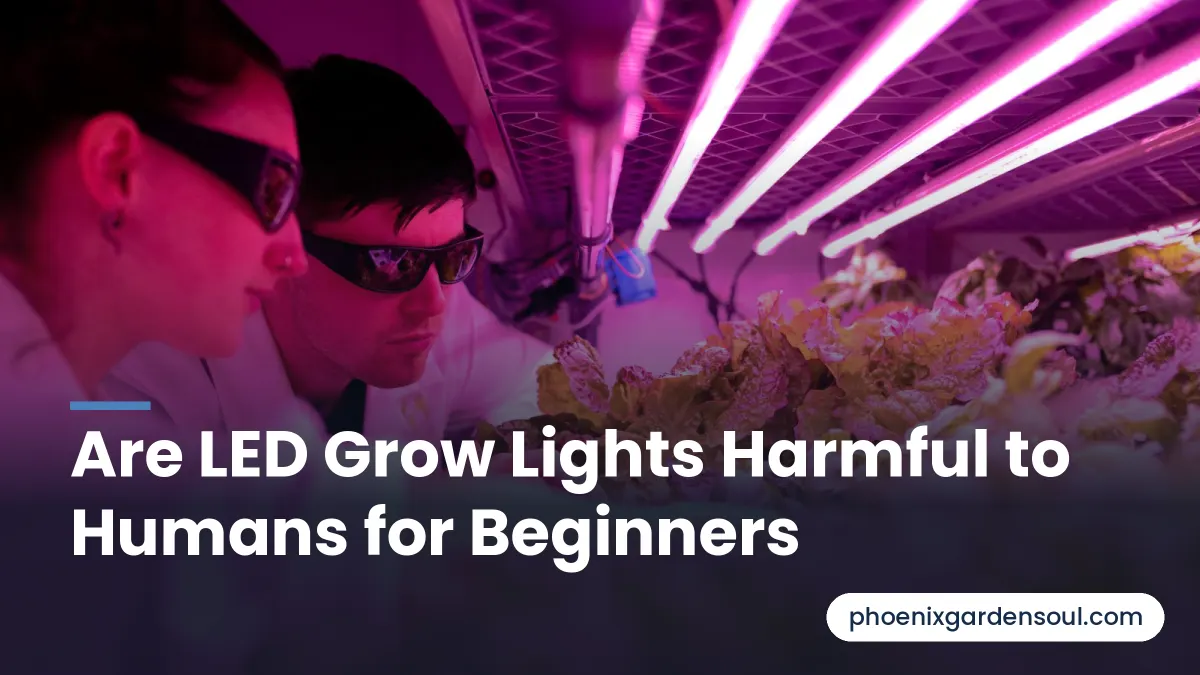
Are LED Grow Lights Harmful to Humans for Beginners
As an Amazon Associate we earn from qualifying purchases. Guides are for general information; always check your owner's manual and consult a qualified mechanic when unsure.
are led grow lights harmful to humans is a real question for indoor growers. Many people use these lights daily. Yet few think about human health risks.
LED grow lights send out specific light wavelengths. Plants love red and blue peaks. But human eyes and skin react differently. Blue light near 450 nm hits the retina hard. UV-A can leak from cheap diodes. This can cause eye strain or skin issues over time. Always follow official safety and maintenance guidelines for best results.
Essential Tools and Preparation for Are LED Grow Lights Harmful to Humans
You need the right tools to check your setup. A lux meter helps you measure light levels. A spectroradiometer shows the exact wavelengths. These tools reveal hidden risks. You can then act fast to fix them.
Start with a simple room audit. Walk through your grow space at eye level. Note where beams hit directly. Mark those spots with tape. You want to know your exposure zones. This takes five minutes. It saves years of risk. For complementary picks and expert testing advice, see our guide on Are Grow Lights Dangerous to Humans for Beginners.
Use a desk lamp with a known safe spectrum. Compare it side by side with your grow light. Note the difference in glare and heat. This quick test gives you a baseline feel. You will spot harsh spikes right away.
Before you run any grow light, check the spec sheet. Look for IEC 62471 or IEC TR 62778 ratings. These standards group lights by risk level. Group 0 means low risk. Group 1 means low to moderate risk. Group 3 means high risk. Always pick lights rated for safe use.
- Lux Meter: Measures visible light intensity in your space.
- Spectroradiometer: Shows exact peak wavelengths and UV leakage.
- IEC 62471 Report: Tells the photobiological risk group of the lamp.
- UV Meter: Detects any UV-A or UV-B leakage from the diodes.
Keep a small log book near your grow area. Write down the make, model, and risk group. Note the distance from your bench. Track the hours of use each week. This log becomes your safety history. It helps you spot trends fast.
Practical Methods for Are LED Grow Lights Harmful to Humans
are led grow lights harmful to humans depends on how you use them. Distance matters a lot. Light drops fast as you move away. A light that feels strong at 12 inches is mild at 36 inches. Time matters too. Twelve hours of exposure is very different from two hours.
Start with the inverse square law. It says light intensity drops with the square of distance. So doubling your distance cuts intensity to one quarter. This is a strong safety tool. You can lower exposure without changing your lamp.
Use diffuser lenses to spread the beam. This lowers the peak intensity hitting your eyes. Wear blue-light glasses if you work close for long periods. Set timers to limit your exposure. Keep pets and kids out of the direct beam path. A simple shade or barrier works well.
Build a simple check routine. Do it before each grow cycle. First, check the lamp is secure. Second, check the distance with a tape measure. Third, run your flicker test with a phone camera. Fourth, note any new glare spots. This five-minute habit prevents many issues.
Check your lights for flicker. Phone cameras can spot bad flicker. Point the camera at the light. If you see dark bands or bands, the flicker is high. High flicker can cause eye strain and headaches. Replace the driver or bulb if you see this.
- Distance Rule: Keep lights at least 18 inches from your head.
- Timer Setup: Limit your time under lights to safe hours.
- Diffuser Lens: Softens the beam and cuts peak intensity.
- Flicker Check: Use your phone camera to spot bad flicker.
Try a weekly exposure diary for one month. Write down the hours you spend near the light. Note any eye tiredness or skin dryness. You will see patterns fast. Maybe your eyes hurt after four hours. Now you know your safe limit. You can adjust your schedule with confidence.
Common Mistakes to Avoid and Expert Pro Tips
Many growers skip safety checks. They trust box specs alone. That is a big risk. Cheap LEDs may leak UV. Some units lack proper heat sinks. You need to test what you buy.
Always check the photobiological group rating. Look for IEC 62471 data on the label. Group 0 or Group 1 is safe for home use. Group 2 needs limits on time and distance. Group 3 can harm eyes fast.
- Check the Label: Seek IEC 62471 risk group info on each unit.
- Measure Distance: Use the inverse square law to cut exposure fast.
- Avoid Direct Stare: Never look straight into bare LED arrays.
- Use Diffuser Lenses: They spread light and lower peak luminance risks.
One big error is ignoring flicker. Low-cost drivers often pulse at low Hz. That can trigger headaches or seizures. A simple flicker meter helps. You want less than 10% flicker at 100% brightness.
Another slip is mixing lamp types. A 5000K LED panel may clash with a UV-B supplemental bar. The spectra add up in unexpected ways. You could exceed skin limits without knowing it. Keep all specs in one log book.
Watch for heat buildup near the lamp. A hot driver shortens its life. It can also warp nearby plastics. Use a small thermometer near the heat sink. Keep it under 85°F for best safety. If it feels too hot to touch, move it back.
Do not rely on marketing words alone. Terms like “eye safe” or “plant safe” mean little. They are not regulated. Look for the actual IEC report number. Ask the seller for a copy. If they cannot provide it, treat the lamp as risky.
One pro tip is to use a smart plug with a timer. It removes human error from the routine. You set the on and off times once. The plug handles the rest. This also helps with energy savings.
Long-Term Maintenance and Best Practices
LEDs drift over time. Lumen output drops. Phosphor layers degrade. UV filters may yellow. You need a simple upkeep plan. This keeps both plants and people safe.
Clean lenses monthly. Dust cuts light output. It also traps heat near the module. Use a soft dry cloth. Do not use harsh solvents. They can crack silicone lenses over time.
- Track Lumen Decay: Use a lux meter to spot dimming trends early.
- Inspect for Damage: Look for cracked lenses or loose heat sink paste.
- Log Driver Temperatures: High heat kills LED drivers fast. Keep them cool.
- Replace Timers: Old mechanical timers drift. Use digital ones for stable photoperiods.
Store spare units properly. Heat and humidity ruin LED bins in storage. Keep them in a dry box at room temp. Check datasheets for storage limits. A simple 50–80°F range works best. For complementary picks and expert testing advice, see our guide on Are All LED Lights Grow Lights Tips and Best Practices.
Update your safety data each year. New IEC updates may change your risk group calls. A lab re-test takes effort. But it beats an eye injury. Keep all test reports in one folder.
Set a quarterly review on your calendar. Check every lamp and driver. Look for discoloration on the lens. Feel the heat sink for hot spots. Replace any unit that runs hot or flickers. A small cost now prevents big problems later.
Keep a clear zone around your grow area. No food or drinks near the light. This stops accidental spills on electronics. It also keeps pests away from the warm fixtures. A clean space is a safe space.
Comparing Grow Light Safety Specs
Not all LED grow lights are the same. Some brands test for eye safety. Others skip it. You need to compare the real data. This section helps you read the fine print.
Look at the blue light peak first. A safe lamp keeps its peak below 480 nm. Or it adds a diffuser that softens it. Cheap panels often have a sharp spike at 450 nm. That spike is the main eye risk. You want a smooth curve, not a sharp spike.
Check the UV-A and UV-B levels next. A safe lamp should report zero or near-zero UV. If the spec sheet is silent, ask the seller. A lab report is the only proof. Do not guess on this one.
Review the flicker percentage in the driver spec. Less than 5% is excellent. Under 10% is acceptable. Above 20% is a warning sign. High flicker can cause headaches and fatigue. It can also trigger seizures in sensitive people.
Compare the heat sink design too. A large, finned sink keeps the lamp cool. It also keeps the driver cool. A small sink or no sink is a red flag. Heat degrades the LEDs and the safety rating.
Here are simple specs to compare across brands.
- Blue Peak: Below 480 nm is safer.
- UV Leakage: Must be zero or negligible.
- Flicker: Below 10% at full power.
- Heat Sink Temp: Below 85°F at the driver.
- IEC Group: Group 0 or Group 1 is best.
Use this list when you shop. Bring it to the store or open it on your phone. It stops you from buying a risky lamp. A few minutes of checking can save your eyes.
| Spec | Safe Home Use | Risky If Ignored |
|---|---|---|
| IEC 62471 Group | Group 0 or 1 | Group 2 or 3 |
| Peak Wavelength | 440–470 nm low power | 405 nm or 395 nm UV-A leak |
| Flicker Percent | Under 10% at full power | Above 20% or low Hz pulse |
| Luminance (cd/m²) | Under 10,000 cd/m² | Over 100,000 cd/m² bare |
| UV-A Leakage | Below 0.1% of total output | Above 1% or visible violet glow |
Frequently Asked Questions
Are LED Grow Lights Harmful to Humans If Used in a Bedroom?
They can be. Many LEDs emit blue light near 480 nm. That suppresses melatonin. It shifts your sleep clock. Use warm-white 2700K bulbs in bedrooms. Keep them dim after sunset. Never run them all night long.
Consider a smart bulb with a sunset mode. It slowly shifts to warm light. This helps your body prepare for sleep. Keep the bedroom light below 10 lux after 9 PM. That is dim enough for safety. For complementary picks and expert testing advice, see our guide on Do All LED Lights Help Plants Grow for Beginners.
Can a Grow Light Burn Your Skin?
Yes, but it is rare. High-power UV-B or UV-A leaks cause the risk. You need close, long contact. A 12-hour photoperiod at 6 inches is risky. At 3 feet, the risk drops fast. Check the label for UV claims.
Most skin burns from grow lights are thermal. They come from heat, not light. A hot lamp touching your arm can burn you. Always let the lamp cool before handling it. Use a handle or gloves if you adjust it up high.
Do All LED Grow Lights Flicker?
No, not all. Good drivers use high-frequency PWM or DC. Cheap ones often flicker at 60 Hz. That can cause eye strain. You can test with a phone slow-mo video. Look for dark bands in the beam.
Some flicker is invisible to the eye. But your phone camera can see it. Open the slow-mo mode. Point it at the light. Play it back. If you see bands, the flicker is high. A flicker meter gives you a number to track.
What Is the Safest Color for Home Grow Lights?
Warm white or red-dominant spectra are safest. They have less blue hazard peak. A 3000K or 2700K panel works well. Red 660 nm LEDs are low risk for eyes. Mix them with far-red for plants.
For a bedroom or living room, pick 2700K. It feels like a warm lamp. It has very little blue hazard. You can run it for a few hours safely. It will not mess with your sleep as much.
How Do I Know If My Lamp Needs a Photobiological Test?
Check the IEC 62471 report from the maker. If none exists, treat it as high risk. Group 2 or 3 lamps need a test. Labs use a spectroradiometer and an OTS setup. Ask the seller for the file before you buy.
If the lamp is a no-name brand, be extra careful. There is no safety data. Treat it as Group 3 until proven or else. Keep your distance. Limit your time. Do not use it in a small, enclosed space.
Final Thoughts and Next Steps
are led grow lights harmful to humans depends on how you use them. A safe lamp, right distance, and smart habits keep risk low. You do not need to fear your grow setup. You do need to respect the light. Treat it like any other tool in your home.
Start with a simple audit. Check the risk group rating. Measure your lamp distance. Watch for flicker or glare. Make one change today. Move your panel to 3 feet or higher. That single step cuts blue light exposure a lot. Small habits add up to real safety over time.
Share what you learn with your grow community. Post your safety tips online. Help others avoid the mistakes you found. A safe grow space is a happy grow space. You can grow strong plants and keep your eyes healthy. It just takes a little care and the right tools.