Are Damping Off Harmful to Plants for Beginners
As an Amazon Associate we earn from qualifying purchases. Guides are for general information; always check your owner's manual and consult a qualified mechanic when unsure.
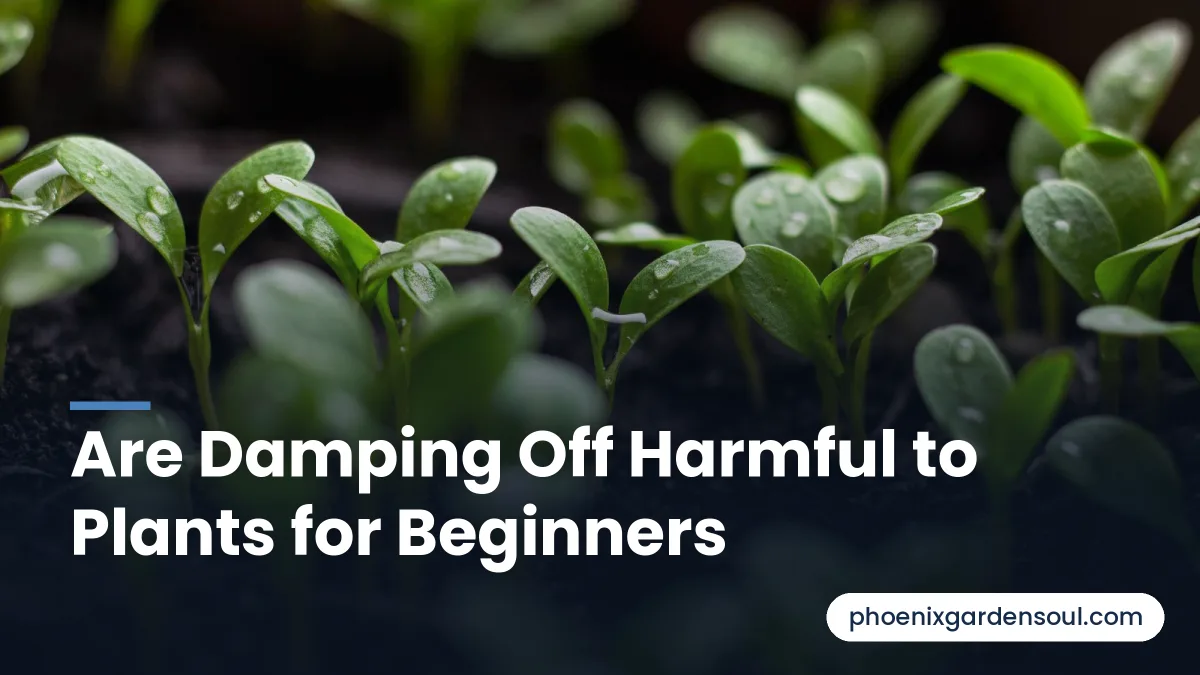
You start seeds with hope. Then you find tiny stems flopping over. That is damping off. So, are damping off harmful to plants? Yes, very much so. This disease wipes out young seedlings fast. It strikes before they can grow strong. Damping off is not one single bug.
It is a group of soil fungi. They attack soft new growth. The result is a collapsed, rotted seedling. Gardeners lose whole flats of starts to it. We have all been there. You water your trays. Days pass. Then you see a thin, dark stem at the soil line. Always follow official safety and maintenance guidelines for best results.
The baby plant falls over like a cut flower. It is a sad sight. But knowing the cause helps you fight back. Are damping off harmful to plants? They sure are. The fungi feed on the stem tissue. This cuts off water flow to the leaves. Once the stem pinches off, the seedling cannot recover.
It dies within hours. Some fungi attack below the soil. They rot the roots first. The plant wilts even with wet soil. Other types attack the stem at the surface. A thin, dark lesion forms. The stem grows thin and spindly. Then it topples over.
Pre-emergence damping off is sneaky. The seed never sprouts. It rots in the soil. You see empty cells in your tray. Post-emergence damping off hits after sprouting. You see healthy green sprouts one day. The next day, they are limp and dead. The fungi thrive in wet, cool, still air.
Poor drainage feeds them. Overcrowded trays give them a home. They spread fast through contact. One sick seedling can infect the whole flat. Are damping off harmful to plants in outdoor gardens too? Yes. Cold, wet spring soil invites attack.
Direct-sown seeds in heavy ground face high risk. Transplants moved outside without hardening off also suffer. You can reduce harm with good habits. Use a sterile seed-starting mix. It has no fungi lurking inside. Water from the bottom. Let the top dry between drinks.
Add air flow with a small fan. These steps stop the disease cycle early. Are damping off harmful to plants? They can be devastating. But smart growers prevent most outbreaks. Clean tools, fresh mix, and proper spacing are your best tools. A little care saves many seedlings.
Are Damping Off Harmful to Plants: How Pathogens Destroy Seedlings From Root to Stem
Are damping off harmful to plants? They attack in two main ways. The fungi target the root system first. Or they strike the stem right at the soil line. Both paths lead to the same sad end. The young plant collapses and dies.
Below-ground types cause root rot. The fine, white feeder roots turn brown. They mush away. The plant cannot take up water. Even if the soil is wet, the seedling wilts. You see yellowing lower leaves. Growth stalls. Then the whole plant keels over.
Above-ground types cause stem rot. A thin, dark spot appears near the soil. The stem pinches in, like a wire kinked tight. The part above the pinch has no water. Leaves droop and dry. The seedling falls flat. This is the classic damping-off symptom.
Some fungi produce enzymes that dissolve plant cells. They feed on the soft stem tissue. The plant has no defense at this stage. Its cell walls are thin and weak. The fungi grow fast in cool, damp soil. They outpace the seedling’s slow growth.
The damage often hides until it is too late. You check your tray in the morning. Several seedlings lie flat on the soil. Their stems are thin and blackened at the base. The roots may be gone. It is a total loss for those plants.
Are damping off harmful to plants that have just sprouted? Yes, most of all. New sprouts have almost no immunity. Their stems are soft and delicate. Older plants with thick stems can fight off the fungi. But baby seedlings have no defenses ready.
Fungus gnats can make things worse. They lay eggs in damp soil. The larvae chew on tender roots. This opens the door for damping-off fungi. The combined damage kills seedlings faster.
You can spot the harm early if you check daily. Look for thin, wiry stems. Watch for sprouts that lean and fall. Check the soil surface for white, thread-like growth. Catching it early helps you save the rest of your tray.
- Root Rot: Brown, mushy roots cannot move water to the plant.
- Stem Lesion: A dark, pinched base cuts off water flow above.
- Seedling Collapse: The whole plant falls over overnight.
- Pre-Emergence Loss: Seeds rot before they ever break the soil surface.
- Post-Emergence Kill: Sprouts die after emerging, often within 24 hours.
The Hidden Culprits: Identifying the Fungi and Conditions That Trigger Damping Off
Are damping off harmful to plants because of specific fungi? Yes. Several soil-borne fungi cause this disease. The most common ones are Pythium, Fusarium, and Rhizoctonia. Each one attacks in a slightly different way. But they all love the same wet, still conditions.
Pythium is a water mold. It thrives in very wet soil. It causes a watery, soft rot. The stem turns mushy and translucent. Fusarium prefers slightly drier soil. It causes a dry, reddish-brown rot. Rhizoctonia makes a thin, dark, sunken lesion. It girdles the stem at the soil line.
Sclerotinia is another culprit. It forms hard, black lumps in the soil. These rest for years. They wake up when conditions are right. Cool, damp spring weather triggers them. They attack young stems and soft tissue.
What conditions let these fungi thrive? First, excess moisture. Overwatering is the top cause. Stagnant air keeps the soil surface wet too long. Low heat slow seedling growth. The fungi grow faster than the plant. That gap is where the damage starts.
Heavy, compacted soil holds too much water. It suffocates roots. It creates a perfect home for fungi. Non-sterile mixes may contain fungal spores. Old, reused soil can harbor last year’s pathogens. Even dirty pots can spread the disease.
Are damping off harmful to plants grown in cold basements? Yes, often. Cool floors and low light slow growth. Seedlings stretch and grow weak. Their stems are not thick enough to resist. Warm soil speeds germination. Strong growth outpaces the fungi.
You can identify the trigger by the symptoms. Watery, mushy stems point to Pythium. Dry, reddish-brown rot suggests Fusarium. Dark, sunken girdling marks indicate Rhizoctonia. White cottony growth on the soil surface is a sign of many fungi. For complementary picks and expert testing advice, see our guide on How to Master 2×6 Raised Bed Layout Step by Step.
Check your soil heat with a simple probe. Most seeds germinate best between 65 and 75 degrees. Bottom heat keeps the soil warm. Warm soil dries faster. It discourages fungal growth. It also speeds up seedling growth, which builds strength.
A soil moisture meter helps you avoid overwatering. Stick it into the mix. Read the number. Water only when the top inch feels dry. Let the soil breathe between waterings. This simple habit stops many problems before they start.
- Pythium: Causes watery, soft stem rot in very wet soil.
- Fusarium: Creates dry, reddish-brown root and stem decay.
- Rhizoctonia: Forms dark, sunken lesions that girdle the stem.
- Sclerotinia: Produces hard black sclerotia that persist in soil for years.
- Trigger Conditions: Cool temps, excess moisture, and stagnant air fuel outbreaks.
Proven Prevention Strategies to Stop Damping Off Before It Starts
Stopping damping off early saves your young plants. You need a clean start with good tools. Simple habits make a big difference.
- Sterile Seed Mix: Use a soilless mix with peat and perlite. This cuts the risk of soil-borne fungi. Garden soil can carry hidden spores.
- Bottom Watering: Pour water into the tray below the cells. It keeps the top of the mix dry. Fungi love wet surface conditions.
- Air Flow: Set a small fan near your trays. Gentle air movement dries leaves fast. Still air lets mold grow on stems.
- Proper Heat: Keep the soil warm but not hot. A heat mat set to 65–75°F helps seeds sprout fast. Strong sprouts resist disease better.
Check your trays each morning. Look for any slimy stems or fallen seeds. You can save healthy plants if you act fast. A soil moisture meter helps you avoid overwatering. It takes the guesswork out of watering. Clean your tools with a weak bleach mix between uses. This stops fungi from moving to new trays.
Good air flow and dry leaves stop many problems. A small fan on low works well for home growers. Place it a few feet back from the trays. You want a gentle breeze, not a strong wind. This dries the soil surface in minutes. It also strengthens stems as seedlings sway slightly. That tiny movement builds tough plant tissue.
Effective Treatment Options When Damping Off Has Already Struck
Finding damping off in your tray hurts. But quick action can save the rest. You have a few real options to try.
- Remove Affected Plants: Pull out any seedling that looks sick. Do it fast before spores spread. Place them in a bag and throw them out.
- Fungicide Drench: A copper-based fungicide can help. Use it as a soil drench, not a spray. Follow the label for dilution rates. This works best in early stages.
- Biological Control: Trichoderma and Bacillus subtilis are helpful microbes. They attack the bad fungi in the soil. You can find them in some organic products.
- Dry Out the Soil: Let the top layer dry a bit. Fungi need wet conditions to spread. Use a spray bottle to mist only the dry spots. Avoid pouring water on the stems.
Do not wait if you see collapsed seedlings. That is the final stage of the disease. Once a stem turns soft and thin, the plant is done. Remove it at once. Check the plants next to it for early signs. A thin, dark line on the stem often shows up first. That is a clear warning of infection.
Organic growers can use a weak chamomile tea drench. It has mild antifungal properties. Brew a strong cup and let it cool. Use it to water your trays lightly. This is not a cure for bad cases.
But it helps protect healthy plants nearby. You can also try a diluted hydrogen peroxide mix. One part of 3% peroxide to four parts water works. It adds oxygen to the soil and harms fungi. Use these treatments early for the best results.
Long-Term Garden Health: Building Soil Resilience to Prevent Future Damping Off Outbreaks
Prevention does not stop after one season. Healthy soil fights off disease over time. You can build that strength year after year.
- Crop Rotation: Do not plant the same family in one spot. Rotate veggies each year. This breaks the disease cycle in the ground.
- Soil Solarization: Cover damp soil with clear plastic in summer. The sun heats the top layer and kills pathogens. Leave it in place for four to six weeks.
- Compost Quality: Use finished, hot compost in your beds. The heat during composting kills many fungal spores. Raw or cold compost can introduce problems.
- Drainage Checks: Make sure your beds have good drainage. Raised beds help in heavy clay soil. Add compost or coarse sand to improve flow.
Healthy soil is full of life. Good microbes compete with harmful ones. They keep the bad fungi in check. Add compost each spring to feed this underground world. Avoid packing soil down with heavy machines. Loose soil lets roots breathe and grow strong. Strong plants in good soil can handle stress better. They fight off disease on their own. For complementary picks and expert testing advice, see our guide on How to Master 4×6 Raised Bed Layout Step by Step.
Are damping off harmful to plants over the long term? The answer is yes, if you ignore the soil. But a smart grower builds a defense system. You add organic matter each year. You test your soil pH to keep it balanced.
Most vegetables like a pH of 6.0 to 7.0. This range helps plants take in nutrients. It also supports the good microbes that protect roots. Small steps each season lead to a big payoff. Your garden becomes a place where plants thrive.
Quick Comparison of Methods
| Method | Best For | Cost | Effort Level |
|---|---|---|---|
| Sterile Seed Mix | Preventing all damping off types | Low | Easy |
| Bottom Watering | Keeping soil surface dry | Low | Easy |
| Fungicide Drench | Treating active infections | Medium | Moderate |
| Biological Control | Organic long-term prevention | Medium | Easy |
| Soil Solarization | Treating garden beds in summer | Low | High |
Are Damping Off Harmful to Plants? Your Top Questions Answered
Can Seedlings Recover From Damping Off?
Once a stem collapses, the plant cannot recover. You must remove it fast. But nearby healthy seedlings often survive if you treat the soil. Early detection gives you the best chance to save the rest of the tray.
Is Damping Off Harmful to Plants Grown Outdoors?
- Yes, Outdoor Plants: Yes, outdoor plants can get it too.
- But Garden Soil: But garden soil has more good microbes that fight back.
- Heavy Rain: Heavy rain and cool weather raise the risk.
- Raised Beds: Raised beds with good drainage help protect young outdoor starts.
Can You Prevent Damping Off with Hydrogen Peroxide?
A weak mix can help. Use one part 3% peroxide to four parts water. It adds oxygen and harms surface fungi. It is not a full cure but works as a preventive drench for new trays.
Does Damping Off Come Back Every Year?
It can if you do not change your habits. Spores live in old soil and plant debris. Using fresh mix, rotating crops. Cleaning trays each year breaks the cycle and stops repeat problems.
Are Damping Off Harmful to Plants at the Root Level?
Yes, the fungi attack roots first in some cases. You may see roots that are brown and mushy instead of white and firm. This weakens the plant before any stem symptoms show up above the soil.
Final Thoughts and Next Steps
Are damping off harmful to plants? They can be, but you have the power to stop them. Start with clean tools and a sterile mix. Give your seedlings air, warmth, and the right amount of water. Check them each day for any sign of trouble. Small actions add up to strong, healthy plants. You do not need fancy products to win this fight.
Now you know how to spot the problem early. You have real steps to prevent and treat damping off. Put these habits into practice this growing season. Your plants will grow stronger, and your garden will thrive. Keep learning, keep watching, and keep growing. A little care goes a long way toward a great harvest.