Are Mealybugs Harmful to Plants Tips and Best Practices
As an Amazon Associate we earn from qualifying purchases. Guides are for general information; always check your owner's manual and consult a qualified mechanic when unsure.
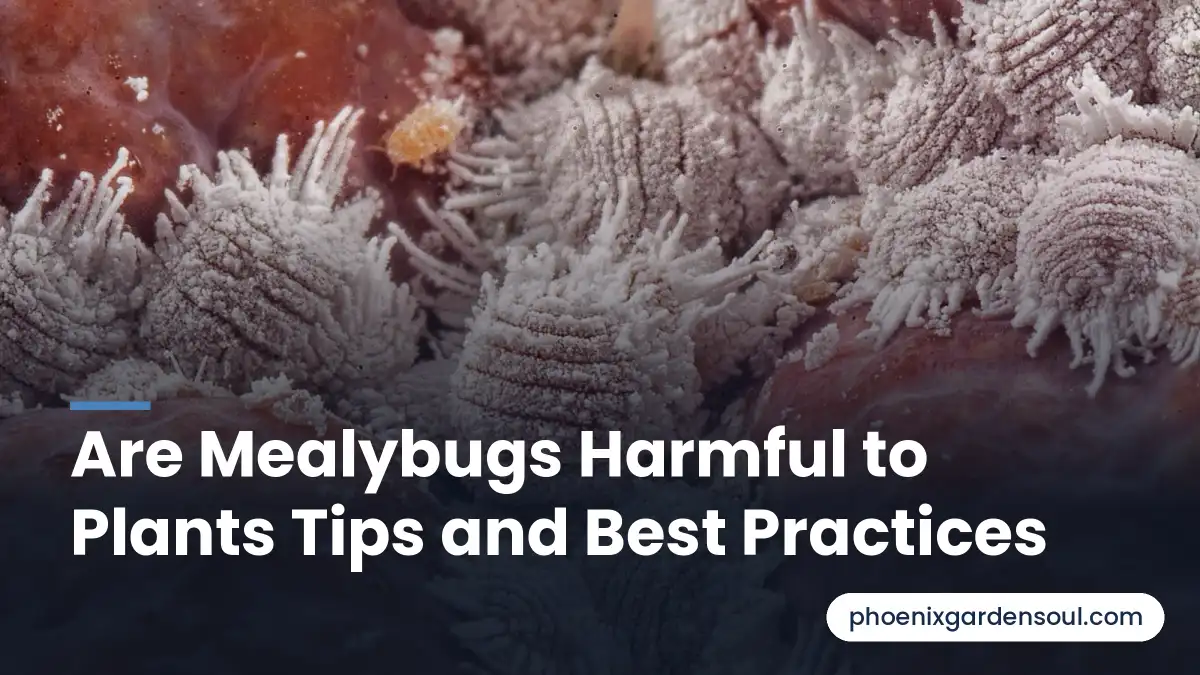
Are mealybugs harmful to plants? Yes, they cause real damage. These tiny pests feed on plant sap. They weaken your plants over time. Mealybugs belong to the Pseudococcidae family. They look like small white cottony masses. You often find them on stems and leaves.
They also hide near roots. Their soft bodies make them hard to kill. They pierce plant tissue to drink sap. This drains nutrients from the plant. The pest leaves behind sticky honeydew. That honeydew invites sooty mold growth. The mold blocks sunlight from reaching leaves. Always follow official safety and maintenance guidelines for best results.
Some species attack roots underground. Root mealybugs can go unnoticed for weeks. By the time you spot them, harm is done. Plants may show yellowing leaves or stunted growth. Heavy infestations can kill a plant outright. Greenhouse plants face higher risk indoors.
Warm, humid conditions let them breed fast. One female can lay hundreds of eggs. Crawlers spread the infestation to nearby plants quickly. So, are mealybugs harmful to plants? They sure are.
Why Are Mealybugs Harmful to Plants Matters and Core Fundamentals
Mealybugs feed by piercing plant cells. They tap into the phloem tissue. Phloem carries sugars and nutrients. The pest drinks this rich fluid all day. This robs the plant of energy. Leaves turn yellow and drop off. New growth looks stunted and weak.
The honeydew they secrete is a big problem. Sooty mold grows on this sticky substance. The mold coats leaf surfaces. It blocks light from reaching chlorophyll. Plants can’t make food without sunlight. Growth slows down or stops. Flowers may fail to open. Fruits can develop poorly too. For complementary picks and expert testing advice, see our guide on Are Damping Off Harmful to Plants for Beginners.
Some species live in the root zone. They feed on root hairs directly. This damages the plant’s water uptake. The plant wilts even when soil is moist. You might see no above-ground signs at first. By the time leaves drop, roots are badly hurt. Are mealybugs harmful to plants in the root zone? Yes, they cause silent decline that is hard to reverse.
Ants make the problem worse. They farm mealybugs for honeydew. Ants protect these pests from predators. They carry crawlers to new plants. This ant-plant mutualism speeds up spread. It keeps infestations growing unchecked. Breaking this ant link is key to control.
- Phloem Feeding: Mealybugs pierce the nutrient highway inside plants and drain sugars and water nonstop.
- Sooty Mold: Honeydew waste coats leaves. Triggers black mold that blocks vital sunlight for photosynthesis.
- Root Zone Attack: Below-soil mealybugs damage water-absorbing root hairs, causing hidden wilting that looks like drought stress.
- Ant Mutualism: Ants tend mealybugs and carry crawlers to new plants. This makes infestations spread faster and harder to stop.
Essential Tools and Preparation for Are Mealybugs Harmful to Plants
You need a few simple tools to start. A magnifying glass helps you spot small crawlers. Cotton swabs work well for spot treatment. Isopropyl alcohol kills them on contact. Spray bottles let you apply solutions evenly. Soft brushes help clean delicate leaves. You also need clean pruning shears for trimming.
Before you treat, isolate the plant. Move it away from other healthy plants. This stops the spread during treatment. Check all nearby plants too. Crawlers can travel on air currents. They also move on your hands and tools. Wash your hands between plants. Sterilize shears with alcohol after each cut.
Gather your treatment options ahead of time. Neem oil works as a gentle option. Insecticidal soap targets soft-bodied pests well. Horticultural oil smothers eggs and adults.
You may also need sticky traps. Yellow sticky traps catch flying adults. They help you track the infestation level. Set traps near the base of each stem. Check them once a week. Write down the count. This log helps you spot trends early.
Keep a small spray bottle for each treatment. Label them clearly. Use one for alcohol. One for neem. One for soap. This avoids mix-ups. A clean spray bottle ensures the right mix each time. Are mealybugs harmful to plants even when you have tools? Yes, but the right gear makes control much faster.
- Magnifying Glass: A 10x lens lets you spot tiny crawlers. Egg sacs that are easy to miss with the naked eye.
- Cotton Swabs and Alcohol: Dabbing isopropyl alcohol directly on mealybugs kills them fast for small, isolated infestations.
- Isolation Space: A separate room or shelf keeps treated plants away from healthy ones during the full treatment period.
- Sticky Traps: Yellow traps catch adult crawlers. Help you monitor how bad the infestation really is over time.
Practical Methods for Are Mealybugs Harmful to Plants
Start with a physical removal approach. Use a cotton swab dipped in alcohol. Dab it directly on each white mass. This kills the bugs on contact. It works well for small infestations. Wipe leaves gently after treatment. This removes honeydew and mold residue. Rinse the plant in lukewarm water. A shower head works great for this.
Next, try a neem oil spray. Mix it with water and a drop of soap. Spray all leaf surfaces, top and bottom. Neem disrupts feeding and egg laying. Apply it every 5 to 7 days.
You need repeat treatments to break the life cycle. Insecticidal soap is another good option. It works best on young crawlers. It loses power once they form a waxy coat. So, timing matters a lot here.
For severe root mealybug cases, use a soil drench. A systemic insecticide reaches the root zone. The plant takes it up through water. It poisons pests that feed on sap. But use these only as a last resort.
They can harm beneficial soil organisms too. Always follow the label instructions exactly. Are mealybugs harmful to plants even after treatment? Some eggs may survive, so plan for follow-up checks and repeat applications.
Try the alcohol dip method for small pots. Mix one part alcohol with three parts water. Dip a soft cloth in it. Wipe each stem and leaf. This method works fast. It gives you control. You can see each bug you remove. It is very satisfying. Rinse the plant after dipping. Let it dry in a warm spot.
For larger plants, use a spray bottle. Add one teaspoon of neem oil. Add a drop of mild dish soap. Fill the bottle with water. Shake well before each spray. Spray in the morning. This lets the solution dry slowly. It stays active longer. Cover the undersides of leaves. That is where mealybugs like to hide. Repeat this every five days for two weeks.
- Alcohol Dabbing: Direct contact with isopropyl alcohol kills mealybugs fast. Works best on small, isolated patches.
- Neem Oil Spray: Apply every 5 to 7 days to disrupt feeding. Stop eggs from hatching successfully.
- Insecticidal Soap: This targets soft-bodied crawlers but loses power once young bugs develop their protective waxy coating.
- Soil Drench: Systemic treatments absorbed by roots poison sap-feeding pests. But use them only as a last resort to protect soil health.
Common Mistakes to Avoid and Expert Pro Tips
Many gardeners skip early checks. They spot mealybugs too late. By then, the harm is deep. Plants show clear stress signs then. Look for white fluff on stems. Check near the soil line too. A magnifying glass helps here. You will see tiny eggs in clusters. These egg sacs are very hard to kill. One sac can hold hundreds of babies.
Overwatering feeds mealybugs. Wet soil draws root mealybugs near. They set up fast in soggy mix. You must check drain holes often. Let the top inch of soil dry. This simple habit stops root pests. It also stops fungus gnats. Are mealybugs harmful to plants more when soil is wet? Yes, damp soil invites them close to the roots.
Wrong spray timing is a big error. Do not spray in full sun. The oil can scald leaves. Rain washes off soaps too. Plan your spray on a dry day. Treat at dawn or dusk. This gives the solution time to work. It also protects the plant from burn. For complementary picks and expert testing advice, see our guide on How to Master Are Birds Harmful to Plants Step by Step.
Ignoring ants is another common mistake. Ants farm mealybugs for honeydew. They protect these pests from predators. They carry crawlers to new plants. Use a sticky barrier around the pot. A band of petroleum jelly works well. It stops ants from climbing up. You can also use ant baits. But keep them away from the plant. The bait draws ants down and away.
One-treat fixes rarely work. You need repeat sprays. Eggs hatch days later. New crawlers emerge and start feeding. Stick to your schedule. Mark the days on your calendar. Follow up for at least three weeks. This breaks the full life cycle.
Dirty tools spread the pest too. Sterilize shears between plants. Wipe them with alcohol. Wash your hands after handling infested leaves. A single crawler on your finger can start a new outbreak. Keep your workspace clean. This simple habit saves many plants.
Pro tip: Use a cotton swab dipped in alcohol. It kills bugs on contact. Swab each white mass you see. This works well on small plants. For large plants, use a soft brush dipped in alcohol. Gently scrub the stems. This removes the waxy coating. It exposes the bugs to the air. They dry out and die fast.
Avoid mixing chemicals without reading labels. Some combos harm plants. Others kill good bugs. Stick to one method at a time. You can rotate them later. Wait three days between different sprays. This prevents plant stress. It also prevents resistance in the pest. Are mealybugs harmful to plants when you mix sprays? The risk of plant damage goes up fast.
- Missed Early Signs: Look for white fluff on stems.
- Wrong Spray Timing: Treat at dawn or dusk.
- Ignoring Ants: Ants farm mealybugs for honeydew.
- One-Treat Fix: You need repeat sprays.
- Dirty Tools: Sterilize shears between plants.
Long-Term Maintenance and Best Practices
Good airflow stops mealybugs. Space pots out. Trim dense leaves. Stagnant air holds moisture. Bugs love that damp space. Use a small fan on low. It keeps air moving. This dries out damp spots. It also strengthens stems. Wind simulates the outdoors. Plants grow tougher in moving air.
Feed plants with care. Too much nitrogen grows soft leaves. Mealybugs pierce soft tissue fast. Use balanced, slow-release food instead. This builds plant strength. Strong cell walls resist piercing. Look for a fertilizer with equal parts nitrogen, phosphorus, and potassium. A little goes a long way. Overfeeding causes more harm than good.
Monitor with yellow sticky traps. They show bug levels. You catch outbreaks early this way. Set traps near plant bases. Check them each week. Replace them when they are full. A clean trap is a clear tool. It shows you what is happening. Write the date on the trap. This helps you track the trend.
Boost plant immunity with proper light. Strong plants fight off pests. Move sick plants to bright spots. But avoid harsh direct sun burns. East-facing windows give gentle morning light. This is ideal for weak plants. Rotate the pot each week. All sides get light then. The plant grows evenly. Even growth is healthy growth.
Are mealybugs harmful to plants long term? Yes, they drain vigor. Weak plants fail to bloom. They drop leaves and stall growth. Steady care stops this decline. Keep a simple care log. Note watering dates. Note feeding dates. Note any pest signs. This log helps you spot problems early.
Clean up old plant debris often. Dead leaves hide pests. They hold moisture too. Remove fallen leaves from the soil. Trim yellow or brown leaf tips. These are entry points for pests. A clean pot is a healthy pot. Sterilize pots before reuse. A quick wash with soap and water works. Rinse well and let them dry.
Quarantine new plants for two weeks. Keep them in a separate room. Check them daily. Look at the undersides of leaves. New plants can carry hidden eggs. A single egg sac starts a big problem. Quarantine stops this cold. After two weeks, treat them as safe.
- Weekly Plant Inspections: Check undersides of leaves.
- Sticky Trap Setup: Yellow traps catch crawlers.
- Soil Health Checks: Add compost for strong roots.
- Quarantine New Plants: Keep them apart for 2 weeks.
- Seasonal Cleanups: Remove old plant debris.
Comparing Treatment Options for Mealybug Control
Each treatment method has clear strengths. The right choice depends on the plant size. It also depends on how bad the infestation is. Here is a simple way to pick the best method for your situation.
| Treatment Method | Best For | How Fast It Works | Safety for Pets |
|---|---|---|---|
| Alcohol Dabbing | Small isolated infestations on indoor plants | Kills on contact within minutes | Safe once dried, no fumes |
| Neem Oil Spray | Moderate infestations on leaves and stems | Disrupts feeding in 1 to 2 days | Low toxicity when dried |
| Insecticidal Soap | Soft-bodied crawlers on young growth | Works on contact, dries in hours | Safe once dried, no residue |
| Systemic Soil Drench | Severe root mealybug or whole-plant attack | Takes 1 to 3 weeks to build up | Keep pets away until soil dries |
| Beneficial Insects | Greenhouse or large indoor plant collections | Ongoing control over weeks | Very safe, no chemicals at all |
- Alcohol Dabbing: Alcohol dabbing gives you direct control.
- You See: You see the bug die.
- It Works Well: It works well for spot treatment.
- But It Takes: But it takes time for large plants.
- Neem Oil: Neem oil is a broad solution.
- It Covers More: It covers more area fast.
- It Also: It also stops egg hatching.
- Downside Is: The downside is the smell.
- Some People Do: Some people do not like it indoors.
Insecticidal soap is gentle and fast. It works on contact. It has no long-term residue. This makes it safe for indoor use. But it does not last long. You need to spray often. A systemic drench is very strong. It works from the inside out. The plant drinks the poison. Bugs die when they feed. Use this only as a last resort. It can harm good soil bugs too.
Beneficial insects are a natural choice. Ladybugs and lacewings eat mealybugs. They work well in greenhouses. They are safe for your home. They cost more upfront. But they give long-term control. They also help with other pests. Are mealybugs harmful to plants more when you skip treatment? Yes, a small problem grows into a big one fast.
Common Questions About Mealybug Damage and Control
Can Mealybugs Kill a Plant Entirely?
Severe infestations can kill plants. They suck sap from stems and roots. This cuts off food flow. The plant weakens and dies. You must act fast to save it. Start treatment the moment you see them. Early action saves plants. Wait too long and the damage is done.
How Fast Do Mealybugs Spread Between Plants?
- Crawlers Move: Crawlers move fast on wind or touch.
- They Can Reach: They can reach a new plant in days.
- Egg Sacs Hide: Egg sacs hide on tools or pots.
- Quarantine Stops This: Quarantine stops this hidden spread cold.
- Wash Your Hands: Wash your hands after touching infested plants.
- Clean Your Tools: Clean your tools with alcohol.
- These Simple Steps: These simple steps break the spread cycle.
Do Mealybugs Harm Humans or Pets?
They don’t bite or sting people. They don’t spread disease to humans. But pets might nibble on sick plants. Some sprays used on plants can be toxic to pets. Keep treated plants out of reach. Let the spray dry fully before letting pets near the plant.
Are Mealybugs Harmful to Plants Even After Treatment?
Yes, if eggs survive the first spray. New crawlers hatch days later. You need follow-up treatments. Stick to your schedule for full control. Watch for new white fluff. It means the eggs are hatching. Treat again right away.
What Plants Are Most at Risk Indoors?
Succulents, ferns, and tropical houseplants face high risk. They hold moisture in soft leaves. Sticky honeydew draws sooty mold too. Check these plants weekly. Palms and ferns are very prone. Inspect the leaf joints and stems. That is where they hide first.
| Method | Best For | Speed | Repeat Need |
|---|---|---|---|
| Alcohol Swab | Small infestations | Fast | Daily |
| Neem Oil Spray | Medium outbreaks | Moderate | Weekly |
| Insecticidal Soap | Light nymph stages | Fast | 3-5 days |
| Beneficial Insects | Greenhouse or large setups | Slow build | Ongoing |
| Systemic Granules | Root mealybugs | Slow | Once per season |
Final Thoughts and Next Steps
Are mealybugs harmful to plants? Yes, they cause real damage. They drain life from leaves and roots. But you can stop them with steady care. Start with daily checks and quick action. Use the right tools for your setup. Mix sprays, traps, and good habits together.
A clean, dry plant resists bugs well. Space your plants out. Keep the air moving. Feed them with balanced food. These habits build strong plants. Strong plants fight off pests naturally. Share what you learn with fellow growers. Your plants will stay strong and green. Stay patient and stay steady. Mealybug control takes time. But the results are worth it.