Are Garden Lizards Dangerous Tips and Best Practices
As an Amazon Associate we earn from qualifying purchases. Guides are for general information; always check your owner's manual and consult a qualified mechanic when unsure.
Most garden lizards pose little threat to you. They eat pests and keep your yard balanced. But some species can bite or carry disease. So, are garden lizards dangerous?
The answer depends on the species, your location, and how you handle them. A small skink in your flower bed is not the same as a large monitor lizard near your shed. You need to know what you are dealing with. Always follow official safety and maintenance guidelines for best results.
Garden lizards range from tiny geckos to fast-moving anoles. Many people welcome them for pest control. Others fear a venomous bite or germs. The real risk is low for most folks. You can cut it down more with simple habits.
Know your local species. Wear gloves when moving pots or wood. Wash your hands after yard work. These steps keep you safe and respect the lizard’s role in your garden.
Essential Guide to Are Garden Lizards Dangerous: Key Insights
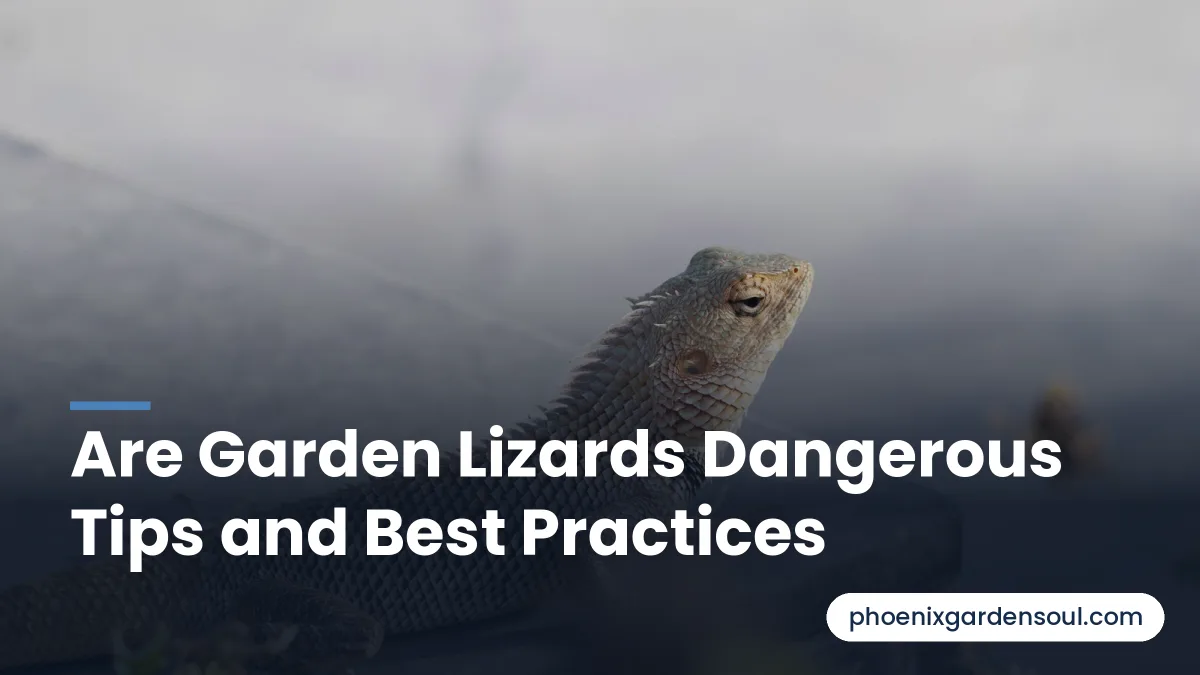
You will meet several lizard types in a typical yard. House geckos stick to walls and eat moths. Anoles sit on fence posts and bob their heads. Skinks dash through leaf litter hunting beetles. These three groups are almost always harmless. They flee from people and help your garden thrive. A few simple checks help you tell them apart.
Larger lizards need more respect. Monitor lizards can grow four feet or more. They have strong jaws and sharp claws. In warm regions, they may raid nests or trash cans. Gila monsters and beaded lizards are rare but venomous. For complementary picks and expert testing advice, see our guide on How to Master 4×8 Raised Bed Spacing Step by Step.
They bite only when grabbed or stepped on. Most gardeners never meet these species. Still, you should learn what lives near you. A quick photo and a call to your local wildlife authority can clear up any doubt.
- Geckos: Small, wall-climbing, and harmless bug eaters.
- Anoles: Quick, colorful, and non-venomous garden residents.
- Skinks: Smooth, fast ground hunters that eat crickets.
- Monitors: Large, strong lizards that need space and care.
Venomous Species and Bite Mechanics: What a Real Bite Feels Like
Venomous lizards are rare in most areas. Gila monsters and Mexican beaded lizards pack a weak venom. They chew rather than strike like a snake. Their bite hurts a lot. You will see two deep puncture wounds. Swelling, numbness, and throbbing follow fast.
The pain can last for hours. Very few people die from these bites. But a trip to the ER is smart. Antivenom exists for severe cases. You should call poison control if bitten.
Non-venomous lizards can still break skin. A large lizard may bite if it feels trapped. Their teeth can scrape or scratch. These wounds need cleaning to stop infection. Are garden lizards dangerous when they bite?
A non-venomous bite is a low health risk. The real danger comes from germs in their mouth. Bacteria can enter through broken skin. That is why you should never handle a wild lizard bare-handed. Keep your tetanus shot up to date, too.
- Venom Types: Gila and beaded lizards use chew-delivered venom.
- Bite Feel: Sharp pain, two deep holes, and fast swelling.
- Pain Scale: Think of a wasp sting times three or four.
- Infection Risk: Germs in the mouth can cause red, hot wounds.
Disease Transmission Pathways From Garden Lizards to Humans
Garden lizards can carry germs that spread to people. The main risks come from bacteria and parasites. Most cases link to contact with droppings or bites. Salmonella is the top concern with these critters. It lives in the gut of many lizard types.
You can pick up bacteria from touching a lizard. Then you touch your mouth or food without washing hands. This spreads the germs fast. Leptospirosis is another rare threat from wet lizard urine. It gets into cuts or scrapes on your skin.
- Salmonella: Causes stomach cramps, fever, and bad diarrhea.
- Leptospirosis: Spreads through urine in warm, wet conditions.
- Ectoparasites: Mites and ticks can latch onto skin.
- Bite Infections: Dirty teeth can push bacteria deep into wounds.
- Contaminated Surfaces: Droppings on garden tools or patio furniture pose risks.
Most healthy folks fight off mild germs with ease. But kids, elders, and folks with weak immune systems face bigger risks. A simple garden lizard might not seem scary. Still, you should treat their waste with care. The question “are garden lizards dangerous” often points to these hidden health risks more than to violent attacks.
Safe Coexistence: Prevention, Handling Protocols, and When to Call a Pro
You can live well with lizards and stay safe. The goal is to avoid direct contact. Most garden lizards want to flee from you. They only bite if they feel trapped or scared. A few simple habits cut your risk down a lot.
Start by wearing gloves when you work in thick garden beds. This keeps your hands clean and away from hidden droppings. Use a tool to move debris or pots. Never grab a lizard with bare hands. If a lizard is in your house, guide it out with a cup and a flat card.
Keep your yard tidy to reduce lizard hiding spots. Clear tall grass, wood piles, and junk near your home. Seal gaps under doors and in your garage. This stops them from moving indoors. If you spot a venomous species or a large nest, call your local wildlife authority. They know the rules and can help safely.
- Protective Gloves: Wear thick gloves when clearing garden clutter.
- First Aid: Wash any bite or scratch with soap and water right away.
- Tetanus Shot: Keep your tetanus booster up to date every ten years.
- Species ID: Learn to spot venomous lizards in your area.
- Local Wildlife Authority: Call them for safe removal of dangerous or protected species.
Most bites happen during yard work or when people try to hand-feed lizards. A territorial bite can break skin and draw blood. The pain is sharp but short. You should clean the wound and watch for swelling or red streaks. If you see those signs, see a doctor fast. A tetanus shot may be needed if your last one was more than five years ago.
Ecological Benefits of Garden Lizards and Why Most Are Protected
Garden lizards do a huge job for your yard. They eat tons of bugs every day. Mosquitoes, crickets, roaches, and moths all make up their menu. A single lizard can clean up a big patch of garden. This natural pest control saves you money on sprays and traps.
- Most Garden Lizards: Most garden lizards are small, fast, and non-venomous.
- They Pose Little: They pose little threat to people or pets.
- Many Species: Many species are protected by local and national laws.
- Harming or Trapping Them: Harming or trapping them can lead to fines.
- These Rules: These rules help keep the food chain in balance.
- Birds and Snakes: Birds and snakes rely on lizards for food too.
The fear that are garden lizards dangerous often scares folks away from these helpful neighbors. In truth, the risk is tiny compared to the gain. A healthy garden lizard population means fewer pests and a better ecosystem. Let them do their work from a safe distance.
Understanding Lizard Behavior: Why They Avoid You and When They Get Aggressive
Most garden lizards are shy. They watch you from a rock or a low branch. Then they dash away when you move close. This fight-or-flight response is their main defense. They do not want to fight you. They want to live and eat bugs in peace. For complementary picks and expert testing advice, see our guide on How to Master 3×6 Raised Bed Layout Step by Step.
- Lizards Bobb: Lizards bobb their heads or push their bodies flat.
- This Is: This is a sign of stress.
- Glassy Eye: A glassy eye or a puffed throat means they are uneasy.
- Some Species Drop: Some species drop their tail to escape a predator.
- This Hurts: This hurts the lizard but saves its life.
- So Never Pull: So never pull a lizard by its tail.
Aggression is rare. A lizard may bite if it thinks you are a threat to its nest. Males can be territorial during mating season. They may lunge or bite if you step near their display spot. Dogs and cats sometimes corner a lizard. This forces the lizard to defend itself. Keep pets away from lizard spots to avoid these clashes.
Allergies and Sensitivities: A Often Overlooked Risk From Garden Lizards
Some people react to lizard skin or shed skins. The old skin flakes off in tiny pieces. These flakes can float in the air. They land on furniture or bedding. For sensitive folks, this triggers sneezing, itchy eyes, or a rash. Are garden lizards dangerous in this way?
- Risk Is Small: The risk is small but real.
- If You: If you clean out a shed or a garage, wear a dust mask.
- This Stops You: This stops you from breathing in old skin bits.
- Vacuum Often If: Vacuum often if lizards live near your entryways.
- Wash Bedding: Wash bedding that may have touched shed skins.
- This Keeps Allergy: This keeps allergy flare-ups at bay.
Lizard droppings can also dust off and fly up. Use a damp cloth to wipe them clean. Never sweep them dry. This sends germs and dust into the air. A simple damp wipe cuts the risk a lot.
Pets and Garden Lizards: Keeping Your Dogs and Cats Safe
Dogs and cats often chase lizards. This is normal play behavior. But lizards can hurt pets in a few ways. A bite from a large lizard can bruise a dog’s nose. A cat may get a scratch from a fast-moving skink. These wounds are small but can get infected.
- Some Lizards Carry: Some lizards carry parasites.
- Pet That Eats: A pet that eats a lizard may get a lungworm or a tick.
- Watch for Coughing: Watch for coughing or a tired pet after a lizard chase.
- Vet Check: A vet check can catch these problems early.
- Keep Pets: Keep pets from eating wild lizards.
- Train Them: Train them to leave small critters alone.
Use a short leash in areas with many lizards. This gives you control if a lizard pops out. Teach kids to watch pets near lizard spots. A calm pet and a safe lizard make a happy yard for all.
Garden and Yard Setup Tips to Reduce Lizard Conflicts
Your yard setup shapes lizard activity. Lizards like quiet, bug-rich spots. A damp, shady spot under a bush draws them in. A dry, open yard with few bugs draws them less. You can adjust your yard to cut conflict.
- Trim Hedges: Trim hedges and tall grass near doors.
- This Removes Lizard: This removes lizard hiding spots close to your home.
- Move Wood Piles: Move wood piles and rocks away from the house.
- These Are Warm: These are warm shelters for lizards.
- Use Gravel or Mulch: Use gravel or mulch that dries fast near the foundation.
- Lizards Avoid Dry: Lizards avoid dry, exposed ground.
Fix leaky faucets and drains. Standing water draws bugs. Bugs draw lizards. A dry yard is a less inviting yard. Seal trash cans and compost bins. Food scraps draw insects and hungry lizards alike.
| Lizard Type | Threat Level | Disease Risk | Benefit |
|---|---|---|---|
| Skink | Low | Minor (Salmonella) | Eats beetles and ants |
| Gecko | Low | Minor (Salmonella) | Catches moths and roaches |
| Anole | Low | Minor (Salmonella) | Controls fly and mosquito numbers |
| Monitor Lizard | Medium | Moderate (Bites, bacteria) | Removes rodents and large insects |
| Gila Monster | High | Higher (Venom, bites) | Rare, protected, controls rodent populations |
Frequently Asked Questions
Do Garden Lizards Bite People?
Yes, but it is rare. Most lizards will run from you. A bite usually happens if you grab one or corner it. The bite often just feels like a quick pinch. It rarely breaks the skin on a healthy adult. For complementary picks and expert testing advice, see our guide on How to Master 4×12 Raised Bed Spacing Step by Step.
Can You Get Sick From Touching a Garden Lizard?
Yes, touching a lizard can spread germs. Salmonella is the main worry. You can get it from handling a lizard or touching surfaces they crawled on. Always wash your hands well with soap after any contact.
What Should You Do If a Garden Lizard Bites You?
Clean the wound right away with soap and water. Use a clean cloth to stop any bleeding. Apply an antiseptic cream and cover it with a bandage. Watch for signs of infection like swelling or red streaks. See a doctor if the bite is deep or looks infected.
Are There Any Venomous Garden Lizards in the Us?
Yes, but they are rare. The Gila monster and the Mexican beaded lizard are the main ones. Both are heavy, slow, and not common in typical gardens. They usually stay in dry desert areas far from homes.
How Do You Keep Lizards Out of Your House?
Seal cracks and gaps around doors and windows. Fix torn screens on vents and attic openings. Keep your kitchen clean and store food in sealed containers. Reduce indoor insects with good screens and minimal outdoor lighting at night.
Can Garden Lizards Harm My Pets?
Yes, but it is not common. A large lizard may scratch or bite a curious pet. The main risk is infection from the wound. Keep pets from eating lizards. Watch for coughing or tired behavior after a chase. A vet visit can catch parasite issues early.
Are Garden Lizards Beneficial to a Garden?
Yes, they are great helpers. Lizards eat crickets, roaches, moths, and mosquitoes. They cut your need for chemical sprays. A few lizards in the garden mean a balanced bug population. Let them work and they will keep pests in check.
Final Thoughts and Next Steps
Most garden lizards are not a real danger to you. They are shy helpers that eat pests in your yard. The real risks are small. They come from germs and rare bites, not from wild attacks. A little care goes a long way in staying safe.
You now know how to spot venomous species and handle contact safely. You can enjoy your garden without fear. The question “are garden lizards dangerous” has a clear answer for most folks.
The danger is low, but smart habits keep it that way. Keep your hands clean, wear gloves when needed, and let the lizards do their work. A balanced garden helps both you and the local wildlife thrive.