Are Grow Lights Considered Indirect Light for Beginners
As an Amazon Associate we earn from qualifying purchases. Guides are for general information; always check your owner's manual and consult a qualified mechanic when unsure.
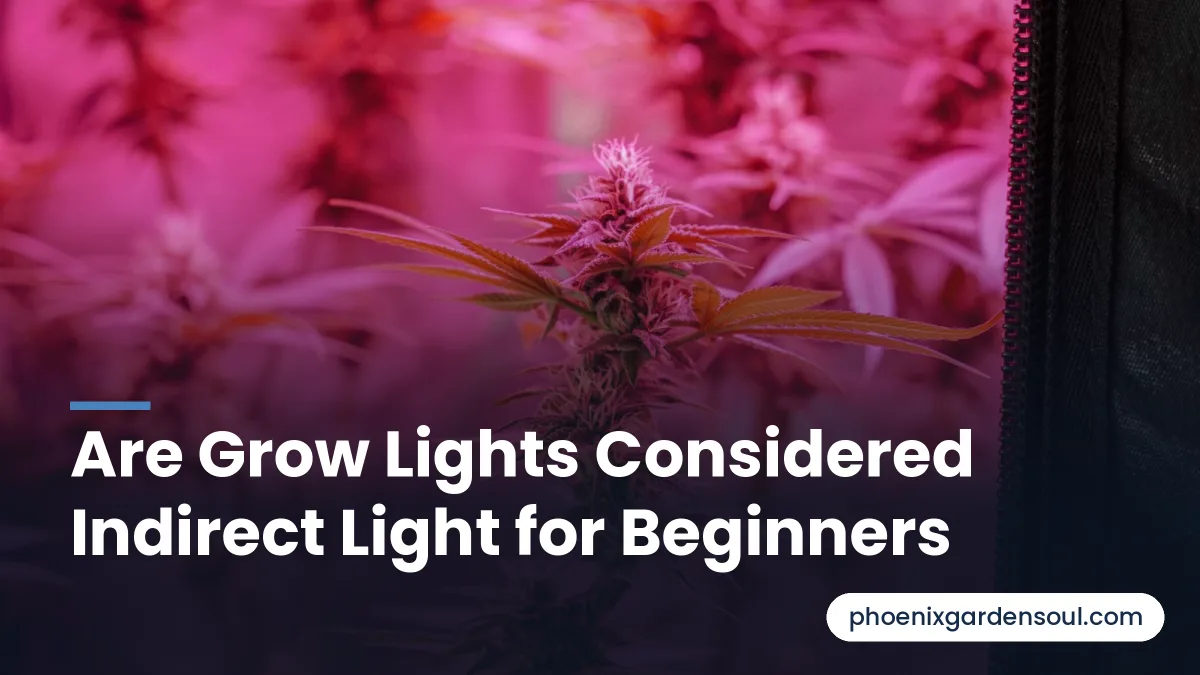
Are grow lights considered indirect light? The short answer is: it depends. Many indoor gardeners assume their LED panel or fluorescent tube acts like a shady window. But that is not always true.
Some grow setups blast direct, intense rays. Others softly diffuse light across a room. The truth sits somewhere in the middle. We need to look at the light source type. Always follow official safety and maintenance guidelines for best results.
We also need to check how you place it. And we must consider what plant you are growing. Direct light hits leaves head-on with full force. Indirect light bounces off walls or passes through sheer fabric. Grow lights can act like either one.
A bare bulb hanging low feels like a hot sun. A panel mounted high with a diffuser feels like a bright overcast day. This guide breaks down the real science. The practical setup choices that matter most for your indoor garden.
Are Grow Lights Considered Indirect Light: A Horticultural Breakdown
The classification depends on how the light travels from the source to your plant. A bare strip light pointed straight down acts as direct light. It creates sharp shadows and heats the leaf surface fast. A fixture with a built-in reflector or a lens cover spreads rays in many directions.
That spread mimics indirect light. The key metric is the angle of emission. Narrow-beam LEDs focus photons on a small spot. For complementary picks and expert testing advice, see our guide on Are All LED Lights Grow Lights Tips and Best Practices.
Wide-angle panels push light out over a broad area. So when you ask are grow lights considered indirect light, the answer hinges on your specific fixture and its position. A horticulturist looks at the beam angle and the mounting height. Together, these two factors decide if your setup gives a soft, indirect glow or a harsh, direct beam.
The plant’s response tells you the truth. Leaves that curl or bleach show too much direct exposure. Stretched stems and pale new growth signal too little light.
- Beam Angle: Narrow beams focus light into a direct hot spot on leaves.
- Mounting Height: Higher placement spreads photons over a wider canopy area.
- Fixture Type: Panels with diffusers scatter rays more than bare spots.
- Plant Response: Bleached or curled leaves signal too much direct exposure.
Think of beam angle as the width of a flashlight beam. A spot beam runs narrow. A flood beam spreads wide. Most full-spectrum LED panels today use a mix. They pair a central lens with side emitters. This hybrid design widens the strong spread. You get more even coverage without hot spots.
When you buy a grow light, always check the published beam angle. A panel with a 120-degree beam angle will act more indirect. A 60-degree lens will push more direct light downward. Mounting height multiplies this effect. Doubling the height can quadruple the spread area. This simple trick softens any intense beam fast.
Let a real example guide you. A hobbyist grows basil under a 100-watt LED bar. The bar hangs just 8 inches above the leaves. The center leaves turn pale and papery. Those are direct burn signs. He raises the bar to 18 inches.
He adds a white plastic diffuser cover. Within a week, the new leaves grow deep green. The plant response proves the shift from direct to indirect. This is how you judge your own setup. Watch the newest leaves first. They show the current light truth fastest.
How Light Diffusion Determines Whether Your Grow Setup Qualifies as Indirect
Diffusion is the physical process that changes direct light into indirect light. It happens when photons hit a surface and scatter. A white reflector on the inside of a grow tent bounces rays around. The light loses its harsh direction.
It becomes a soft wash that hits leaves from many angles. This is what we call indirect light in indoor growing. Without diffusion, your grow light acts like a small, intense sun. The leaves directly underneath take the full punch.
They can burn or dry out fast. With a simple diffuser panel or a reflective Mylar tent, the same light source becomes gentle. The intensity drops at the center. It spreads more evenly across the whole canopy. That even spread is what most shade-loving houseplants need to thrive.
You can also use a fixture with a wide-angle lens. These spread light out naturally without extra gear. But for many growers, added diffusion gives the best control. You can build a simple frame from PVC pipe. Hang a frosted shower curtain or white fabric below the light. This creates a soft glow that reaches all sides of each leaf.
Plants use light from all directions for balanced growth. Diffused setups also reduce heat stress. The leaf surface stays cooler. This slows water loss and keeps stomata open longer. Open stomata mean better photosynthesis and stronger growth rates.
- Reflector Walls: Mylar or white paint bounces light rays in many directions.
- Diffuser Panels: Frosted acrylic or fabric scatters harsh beams into a soft wash.
- Mounting Distance: Moving the light higher reduces direct intensity on lower leaves.
- Multiple Fixtures: Several low-wattage bars cast overlapping soft light, not one harsh beam.
Here is a step-by-step approach to add diffusion. First, measure your current light height. Write down the distance from the light to the top leaf. Second, add a white reflective surface on three tent walls. Use Mylar sheets or flat white paint. Third, suspend a diffuser panel 4 to 6 inches below the light source. Use chain hangers for easy height adjustment.
Fourth, check the canopy after 48 hours. Look for any remaining hot spots. Move the diffuser closer if you see pale patches. Move it further if growth slows. This method works for both seedlings and mature plants. It gives you repeatable control over light quality.
Comparing Direct, Indirect, and Grow Light Intensity Across Plant Species
Different plants need different light levels. A succulent wants intense direct light. A fern wants soft indirect light. A grow light can serve both. But you must match the setup to the plant.
High-wattage HPS or bare LED spots placed close give direct light. They work well for tomatoes or peppers in a bright grow tent. Low-wattage fluorescent tubes mounted high with a diffuser work as indirect light. They suit a pothos or a snake plant on a dim shelf. The real measure is not just the fixture type.
It is the PPFD and DLI that reach the leaves. PPFD measures how many photosynthetic photons hit a square meter. DLI tracks the total daily light dose. When are grow lights considered indirect light in a practical sense, it is when the PPFD stays moderate and even. Direct setups create a steep intensity gradient.
The center gets a huge dose. The edges get much less. Indirect setups spread the dose more evenly. That balance helps broad-leafed tropical plants avoid burn and stress.
- Succulents: They thrive under high direct light with a steep intensity peak.
- Tropical Foliage: Ferns and calatheas need low, even indirect light levels.
- PPFD Metric: This measures photosynthetic photon flux hitting each leaf area.
- DLI Metric: This tracks the total daily light dose the plant receives.
Let us compare three common species. A cactus sits under a bare 300-watt LED. The PPFD at the center hits 800. This suits its high-light nature. The same light over a calathea would cause instant bleach. The calathea needs a PPFD around 100 to 150. You achieve this with a tube light hung 24 inches up. The spread softens the dose.
The plant receives even, indirect light all day. Tomato plants fall in the middle. They want 400 to 600 PPFD. You can hit this with a panel light plus a reflective tent. The tent bounces extra photons to lower fruit branches. Each plant type gets its ideal dose. Your job is to set the light to match the plant, not the other way around.
Practical Methods for Using Grow Lights as Indirect Light Sources
You can turn grow lights into indirect sources with simple tweaks. The goal is to spread the beam. You want soft, even coverage. Harsh rays cause leaf burn. Diffused light mimics a shady canopy.
Start with placement. Hang lights higher than normal. Distance softens intensity. A 4-inch shift can change everything. Add a dimmer if your model allows it. Lower wattage means gentler exposure. Next, check the light spectrum. Cool white light scatters more in humid air. Warm light travels straighter. Use this to your edge in small spaces.
- Reflector Hoods: These spread light outward. They soften harsh beams.
- White Mylar Walls: Bounce light around the tent. Walls become secondary sources.
- Diffuser Panels: Hang them between the light and plants. They scatter rays evenly.
- Timer Settings: Short bursts reduce total dose. Plants rest between sessions.
- Lamp Height: Raise fixtures 6 to 12 inches. Distance weakens direct hit.
Test with a lux meter. Place the sensor at canopy level. Read the value. Adjust height until the number matches your plant’s needs. This simple check stops guesswork.
A lux reading of 1000 to 2000 works for most tropical houseplants. You can also use a smartphone app. Many free apps estimate PPFD from a photo. They are not perfect. But they give a useful trend line over time.
Some growers use a sheer fabric screen. It filters the beam further. Think of it like a window curtain. The light passes through but loses its edge. You get a gentle glow instead of a hard spot.
Rotate your plants every 3 to 4 days. This ensures all sides receive equal exposure. Leggy growth on one side tells you that side is starved. Turn the pot a quarter turn each week. Small habits build big results over a full growing season. For complementary picks and expert testing advice, see our guide on What Lights Do Plants Need to Grow for Beginners.
Observe your plants daily. Check for color changes. Pale leaves mean too little. Brown tips mean too much. Adjust the setup as needed. Small moves make big differences over time. Keep a simple log. Write the light height and the date. Note new leaf color each week. This log becomes your best troubleshooting guide. It shows patterns you would miss or else.
Technical Specifications: Par, Ppfd, and Dli Metrics That Define Light Classification
Grow light specs can feel confusing. But three numbers matter most. They help you judge if your setup acts as indirect light. These metrics guide safe plant growth.
- PAR Values: This measures usable light for plants. Not all bulbs emit PAR equally.
- PPFD Readings: It counts photons hitting the leaf. Higher numbers mean stronger intensity.
- DLI Targets: Daily Light Integral adds it all up. It shows total daily light dose.
- Kelvin Scale: Warm light (3000K) suits flowering. Cool light (6500K) helps growth phases.
- Beam Angle: Wide angles spread light more. Narrow angles create hot spots.
PAR stands for Photosynthetically Active Radiation. It covers 400 to 700 nanometers. Plants use this range to make food. Bulbs with high PAR scores work well for indoor gardens. You will see PAR listed in micromoles per second. This number tells you raw output. But it does not tell you what reaches the leaf. That is where PPFD becomes critical.
PPFD measures micromoles per square meter per second. Think of it as light rain on a leaf. Too much PPFD scorches tender plants. Too little causes weak, stretchy growth. A diffuser drops PPFD at the center.
It raises PPFD at the edges. The total stays the same. But the distribution changes completely. This is why two setups with the same wattage can grow plants at different speeds. Even light beats intense light for most species.
DLI tracks total light over a full day. It is measured in moles per square meter. Low-light plants need around 6 to 10 DLI. Full-sun lovers want 20 to 30 DLI or more. You calculate DLI by multiplying PPFD by hours of light.
A setup running 12 hours at 200 PPFD gives a DLI of 8.64. That fits a calathea or a dracaena. Bump the hours to 16, and the DLI jumps to 11.52. Now you enter the medium-light zone. This simple math helps you plan with confidence.
When you ask are grow lights considered indirect light, these numbers help answer. A low PPFD setup with a wide beam acts indirect. A high PPFD narrow beam acts direct. Placement changes the math. A light at 30 inches with a wide lens can match a light at 12 inches with a narrow lens. The wattage looks the same. The plant use feels totally different.
Always match your light specs to plant needs. A succulent wants high DLI. A fern wants low DLI. Using the wrong number causes stress. Check the label on your grow light manual. Also check a steady plant care guide. Match both numbers. Then adjust height and hours to fine-tune. This three-step method prevents most light problems before they start.
Common Failure Points When Relying on Grow Lights for Indirect Light Conditions
Many indoor gardeners make avoidable mistakes. They assume all artificial light is soft. That is not true. Some grow lights blast direct rays. You must watch for warning signs.
- Wrong Wattage: High-power LEDs burn close leaves. Check the rated coverage area.
- Fixed Positioning: Plants grow tall fast. Lights stay at one height. This creates direct beams later.
- No Diffuser: Bare diodes throw hard spots. These create sharp shadows on soil.
- Ignoring Reflectance: Dark walls absorb light. You lose brightness and increase needed power.
- Skipping Rotation: Plants lean toward the light. Uneven exposure causes lopsided growth.
Light burn is the biggest risk. It shows as bleached white or yellow leaves. The top leaves face the fixture directly. Heat from the lamp adds damage too. High canopy temps slow growth. Roots struggle in hot soil.
You can lower the risk fast. Raise the light and add a fan. Move the diffuser closer to the canopy. Remove the fixture for 24 hours if burn is severe. New growth will tell you when the fix worked.
Etiolation is another common failure. It happens when light is too weak. Stems stretch thin and pale. Leaves turn small and dull. The plant reaches for any light source. This often hits seedlings first.
They need gentle light for the first 3 weeks. Start them under a low-wattage LED. Keep the light 18 to 24 inches above the tray. Add a humidity dome. This reduces stress while stems strengthen.
You must also watch the photoperiod. Too many hours of light confuse plants. Flowering species need dark periods to set buds. Giving 24 hours of light stops blooms. Keep a strict on-off schedule. Most tropical houseplants do fine with 10 to 12 hours. Use a simple outlet timer. It costs a few dollars. It removes all guesswork from the daily routine.
Cheap fixtures often lack proper heat sinks. They run hot without warning. The bulb degrades fast. Output drops over weeks. You lose light quality without knowing it.
Replace old LEDs on a schedule. Mark your calendar for a 12-month check. Test output with a lux meter. If readings fall 20 percent below your target, replace the fixture. This simple habit saves plants from slow light starvation.
| Setup Type | Beam Spread | PPFD Range | Best For |
|---|---|---|---|
| Bare LED at 12 inches | Narrow, focused | 600–1000 µmol/m²/s | High-light fruiting plants |
| LED with diffuser at 24 inches | Wide, even | 200–400 µmol/m²/s | Low-light tropicals and seedlings |
| Fluorescent T5 with reflector | Medium, soft | 150–300 µmol/m²/s | Herbs and leafy greens |
| HPS with hood at 36 inches | Wide, warm | 300–500 µmol/m²/s | Flowering and budding stages |
| Panel light with white walls | Very wide, bounce | 100–250 µmol/m²/s | Propagation and clones |
How Plant Canopy Size Affects Your Indirect Light Setup
Plant size changes the light equation fast. A small herb pot needs less spread. A large jungle shelf needs wide coverage. When you plan a setup, measure the full canopy width. Add 4 inches on each side for margin. This number becomes your minimum light spread width.
A 12-inch wide plant group needs a 20-inch wide light bar at least. This ensures all outer leaves receive indirect-level brightness. Undersized lights create dark corners. Those corners become weak growth zones. Over-sized lights waste energy on empty space. Match the fixture size to the plant footprint for best results.
Seasonal Changes and Their Impact on Indoor Light Quality
Even indoor growers face seasonal shifts. Window light changes through the year. Your grow light must compensate. In winter, natural light drops weak. Plants lean more toward your artificial source. You may need to raise light hours from 10 to 14.
In summer, strong window light adds extra dose. Your grow light might need a dimmer pull. Watch leaf color through these shifts. Yellowing in winter means more hours or intensity. Bleaching in summer means less exposure or shorter runs. Adjusting to seasons keeps your plants balanced all year long.
Frequently Asked Questions
Can a Grow Light Ever Act as True Indirect Light?
Yes. When you hang an LED high and add a diffuser, it spreads the beam. The light bounces off walls and ceilings. Plants then receive scattered rays. This setup works like light through a sheer curtain.
What Plants Do Best with Grow Lights as Indirect Sources?
Low-light houseplants thrive under indirect LED setups. Pothos, snake plants, and philodendrons prefer gentle brightness. Ferns and calatheas also do well. Avoid direct beams on these species. They scorch easily.
How Do I Know If My Grow Light Is Too Strong?
Watch the leaves closest to the fixture. White or pale tips signal light burn. Brown crispy edges mean too much heat or intensity. Pull the light higher or add a diffuser to fix it.
Do Reflectors Make Grow Lights More Direct or Indirect?
Reflectors focus light downward. They make the beam more direct. But you can pair a reflector with a diffuser panel. This combo balances intensity and spread. You get usable indirect coverage.
Are Grow Lights Considered Indirect Light for Seedlings?
They can be. Seedlings need gentle light to avoid damping off. Use a low-wattage LED hung high. Add a sheer fabric screen if needed. Keep PPFD readings below 200 µmol/m²/s for safe seedling growth.
Can I Use a Regular Household Light as a Grow Light for Indirect Setups?
You can, but with limits. Standard LED bulbs emit some PAR. They just lack the full spectrum. A 5000K cool white bulb works for leafy greens. Use it 12 inches above small plants.
Add a diffuser for softness. It will not match a dedicated grow light. But it supports pothos and philodendrons well enough. This budget trick works for starter gardens. Upgrade later if you expand your plant collection.
Final Thoughts and Next Steps
Are grow lights considered indirect light? The answer depends on your setup. You control the beam. You control the height. You control the diffusion. A bare bulb at close range acts direct. A diffused panel at distance acts indirect. Your plants show you the truth through their growth. Watch them closely.
Start with simple changes. Raise your light. Add a diffuser. Check your PPFD numbers. Small steps lead to big gains. Healthy plants grow strong stems and deep green leaves. They reward your attention with steady progress. Keep learning. Keep adjusting. Your indoor garden will thrive.