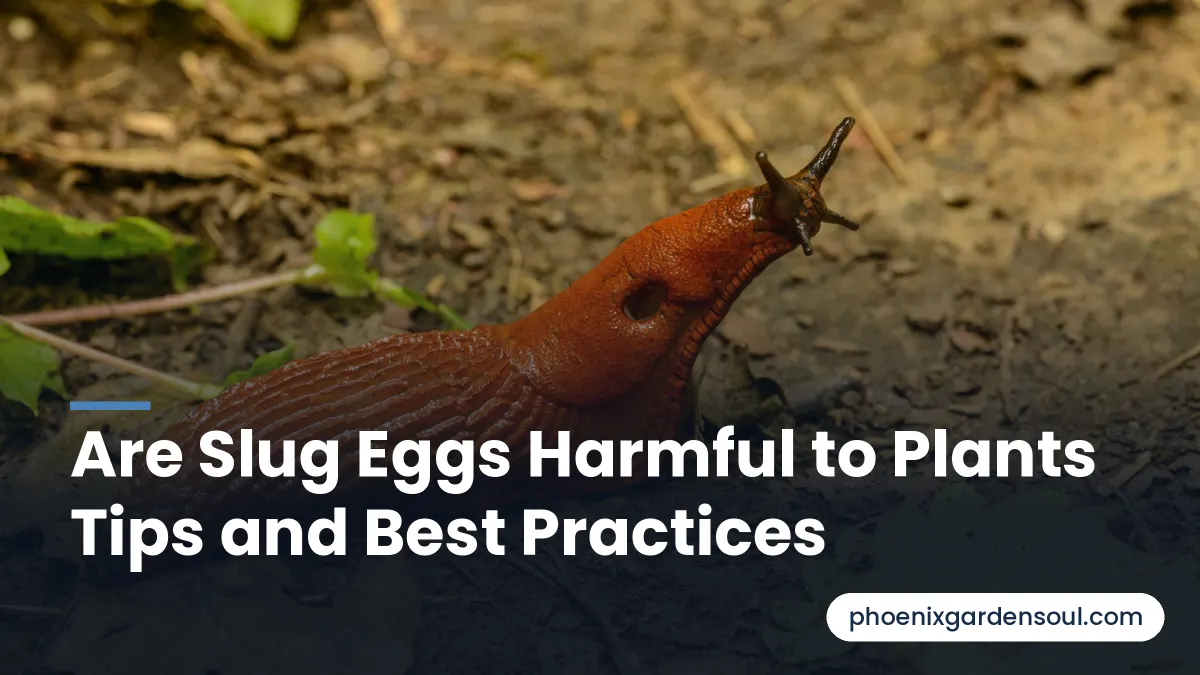
Are Slug Eggs Harmful to Plants Tips and Best Practices
As an Amazon Associate we earn from qualifying purchases. Guides are for general information; always check your owner's manual and consult a qualified mechanic when unsure.
You found weird lumps in your garden dirt. Those might be slug eggs. Many new gardeners ask, “are slug eggs harmful to plants.” The short answer is yes. But not in the way you think. Slug eggs don’t chew leaves or stems. They hatch into hungry baby slugs. Those young slugs then eat your plants.
A single cluster can hold dozens of future pests. You need to spot them early. We will show you how. This guide covers what slug eggs look like. It also covers how they hurt plants. You will learn to tell them apart from good eggs too. Always follow official safety and maintenance guidelines for best results.
How to Identify Slug Eggs in Garden Soil Before Damage Appears
Slug eggs hide just below the soil surface. They look like small, round bumps. Most are white or clear at first. They turn pale yellow as they age. Each egg sits in a jelly-like clutch. The jelly feels slick and soft. A single cluster may hold 20 to 50 eggs. They often group near plant bases. You will find them under mulch or leaves.
They love damp, shaded spots. Gardeners miss them because they blend in. The soil hides them well. You must look closely at the top inch of dirt. A flashlight helps at night. Slugs lay eggs in warm, wet weather. Spring and fall are peak times. Check your beds after heavy rain. For complementary picks and expert testing advice, see our guide on Are Downy Mildew Harmful to Plants for Beginners.
- Translucent Clusters: Look for clear, gel-like balls near stems.
- Pale Color Shift: Fresh eggs are white, then turn cream or yellow.
- Soil Depth: Eggs sit in the top 1 to 2 inches of soil.
- Jelly Texture: The clutch feels slick, not dry or hard.
Are Slug Eggs Harmful to Plants: The Biological Mechanism of Indirect Damage
So, are slug eggs harmful to plants directly? No. The eggs do not feed on roots or leaves. The harm is indirect but very real. Each egg hatches into a tiny slug. That slug begins eating right away. Young slugs nibble on tender roots. They also chew on lower leaves.
Seedlings are the most at risk. A small slug can destroy a young plant fast. The eggs act like a future army. You see no damage at first. Then, out of nowhere, your plants vanish. The damage hits all at once. This delay tricks many gardeners. They don’t connect the eggs to the problem later.
Slug eggs also signal a bigger issue. They mean adult slugs are nearby. Those adults lay more eggs. The cycle keeps going. More eggs mean more hungry slugs.
More slugs mean more plant loss. You break the cycle by removing eggs. You stop the next generation before it starts. This is why early action matters so much. A few minutes of checking saves whole crops later.
- Root Feeding: Baby slugs chew on tender root systems underground.
- Stem Damage: Young slugs cut stems at the soil line overnight.
- Seedling Loss: Tender new plants can’t survive even one hungry slug.
- Cycle Growth: Each clutch adds dozens of new pests to your soil.
Distinguishing Slug Eggs From Beneficial Insect Eggs in Your Garden Beds
Not every egg in your soil is bad. Many helpful insects lay eggs too. You need to tell them apart. Ladybug eggs look very different from slug eggs. Ladybug eggs are bright yellow and stand upright.
They sit in neat little rows. Lacewing eggs are tiny and pale green. They hang on thin stalks. Spider eggs are round and white too. But spider egg sacs feel dense and silk-like.
Slug eggs feel soft and wet. The jelly coating is a big clue. You will not find silk on slug eggs. The shape also differs. Slug eggs are more oval and lumpy. They often group in a messy heap. Ladybug eggs line up in a tidy row. Take a close look at the clutch. Use a magnifying glass if you have one. This small step saves you from removing good bugs.
- Ladybug Eggs: Bright yellow, upright, and lined up in neat rows.
- Lacewing Eggs: Pale green, tiny, and hung on thin stalks.
- Spider Eggs: Round, white, and wrapped in dense silk sacs.
- Slug Eggs: Clear or white, soft jelly, and lumped together in clusters.
Proven Removal and Prevention Methods for Slug Egg Clusters
You can stop slug eggs before they hatch. Hand-picking works best in damp soil. Wear gloves and scoop up the clusters. Drop them into a bucket of soapy water. This kills the eggs on contact. Do not toss them on the ground. They may still hatch in place.
Prevention stops future problems. Clean your garden beds each fall. Remove old mulch and plant debris. Slugs love to lay eggs in damp, hidden spots. A clean bed cuts their hiding places. You will also find fewer eggs come spring.
- Hand-Picking: Scoop egg clusters from soil. Drop them into soapy water to kill them fast.
- Mulch Control: Keep mulch layers thin. Thick mulch holds moisture and hides egg masses. Limit it to two inches deep.
- Diatomaceous Earth: Dust dry DE around plants. It cuts soft slug bodies and dries out eggs near the soil surface.
- Iron Phosphate Bait: Place bait pellets near affected plants. Slugs eat the bait and stop feeding. The bait is safe for pets and kids.
- Soil Drainage: Fix low spots that hold water. Slugs lay eggs in wet soil. Better drainage makes beds less inviting for them.
You can also use barriers. Copper tape around pots stops slugs from climbing in. They get a mild shock when they touch the metal. Check the tape often. Dirt or rain can weaken the connection. A broken strip lets slugs pass right through.
Traps work well for active slugs. Set a shallow dish of beer near plants. Slugs crawl in and drown. Empty the trap each morning. Refill it every few days. This method cuts the adult population. Fewer adults mean fewer eggs laid in your soil.
When Slug Eggs Signal a Larger Ecosystem Imbalance in Your Garden
Finding many egg clusters means something is off. Your garden may have too much moisture. Poor air flow and heavy soil can trap dampness. Slugs thrive in these conditions. They lay more eggs when the ground stays wet. Fixing the dampness cuts their numbers fast.
Heavy feeding by adult slugs weakens plants first. They chew leaves at night and leave ragged holes. Young seedlings can die from a single night of feeding. The eggs then hatch and add more hungry pests. This cycle can spiral out of control fast.
A healthy garden fights back naturally. Ground beetles, centipedes, and birds eat slug eggs. They also hunt adult slugs. If you see few of these helpers, the balance is off. Avoid broad-spectrum pesticides. They kill the good bugs along with the bad ones. A diverse garden supports more predators.
Plant health matters too. Stressed plants send out weak signals. They attract more slugs looking for easy meals. Keep plants strong with proper spacing and watering. Water at the base of plants in the morning. This lets the soil dry a bit before nightfall. Dry soil is less attractive to egg-laying slugs.
- Moisture Check: Poke a finger into the top inch of soil. If it feels wet and sticky, slugs will thrive there. Let it dry between waterings.
- Plant Spacing: Thin crowded plants to improve air flow. Good airflow dries soil faster. It also makes it harder for slugs to hide and lay eggs.
- Ground Beetles: These nocturnal hunters eat slug eggs and young slugs. Provide flat stones or boards as daytime shelters. They will stay and patrol your beds.
- Bird Access: Encourage birds to visit your garden. A small brush pile or birdbath gives them shelter and water. They will forage for slugs and eggs at dawn.
Are slug eggs harmful to plants in a big way? Not directly. But large numbers of eggs point to conditions that will cause heavy damage later. You must fix the root cause. Add compost to improve soil structure. It drains better and supports strong plants. A balanced garden has fewer slug problems each year.
How to Safely Dispose of Slug Egg Clusters After Removal
Removing the eggs is only half the job. You must kill them properly. A bucket of soapy water works well. Drop each cluster in and leave it for a day. The soap breaks the jelly coating. This suffocates the eggs inside. Do not crush them by hand. The jelly can stick to your gloves. For complementary picks and expert testing advice, see our guide on Are Fruit Flies Harmful to Plants for Beginners.
Some gardeners toss eggs on a hard surface. Sun and air dry them out. They turn to dust in a few days. This works in dry climates. In damp areas, they may still survive. Always check the cluster after two days. If it looks swollen, it is still alive.
Do not add slug eggs to compost. Many compost bins stay warm and wet. This is a perfect hatch zone. The baby slugs will crawl into your garden. They will find new plants to eat. Keep your compost free of any egg masses.
Another safe option is a sealed bag. Place the eggs inside and seal it tight. Leave the bag in the sun. The heat will kill them. Throw the bag away with your regular trash. This stops the cycle for good.
- Soapy Water Method: Drop eggs in a bucket of water with dish soap. Wait 24 hours before dumping.
- Sun Drying: Spread eggs on a plate in direct sun. Let them dry completely for two days.
- Sealed Bag: Place eggs in a zip bag and seal it. Leave it in a warm spot to kill them.
- Compost Warning: Never add eggs to a cool or wet compost pile. They will hatch and reinfest your beds.
Can Slug Eggs Survive in Potting Soil or Indoor Containers
Yes, slug eggs can survive in potting soil. They often hide in store-bought bags. The soil may look clean. But eggs can be inside. This is a common surprise for indoor gardeners. Check any new soil before you use it. Spread it out on a tray and look closely.
Indoor containers pose a unique risk. They stay warm and damp. Slugs love these conditions. A single cluster can hatch on your windowsill. The baby slugs will crawl to your houseplants. They eat soft leaves and hide in the soil. Check the top layer of dirt each week.
Prevention is easy for indoor plants. Use a fine mesh screen on drainage holes. This stops slugs from crawling up. You can also place a copper band around pots. Slugs will not cross the metal. Keep indoor plants in a bright spot. They dry faster and are less inviting to slugs.
- Inspect New Soil: Look through store-bought soil before mixing it into pots.
- Mesh Screens: Cover drainage holes with fine mesh to block slugs.
- Copper Bands: Wrap a thin copper strip around the outside of pots.
- Dry Spots: Place indoor plants in bright areas with good airflow.
What to Do If You Find Slug Eggs Near Edible Crops
Edible crops need extra care. Leafy greens and strawberries are prime targets. Slugs love tender lettuce leaves. They also feed on ripe strawberries close to the ground. Finding eggs near these plants is a red flag. You must act fast to protect your harvest.
Start by removing all visible egg clusters. Use the soapy water method. Then, create a barrier around the plants. Copper tape works well for raised beds. You can also use crushed eggshells. Slugs dislike the sharp edges. Spread a ring of dry eggshells around each plant.
Iron phosphate bait is safe for food gardens. It targets slugs without harming people or pets. Sprinkle the pellets near the base of plants. Water the soil lightly after applying. The bait works best when it is damp. Reapply after heavy rain.
- Eggshell Barriers: Crush dry eggshells and ring them around crop bases.
- Copper Tape: Wrap tape around raised bed edges or pot rims.
- Iron Phosphate Bait: Apply pellets near crops and water them in lightly.
- Harvest Timing: Pick ripe fruits early. Do not let them sit on damp soil.
How Seasonal Weather Drives Slug Egg Laying and Hatching Cycles
Slug eggs follow the seasons. They lay eggs when the weather is warm and wet. Spring rain triggers the first wave of laying. The eggs hatch within two to four weeks. Summer heat can dry the soil out. This slows hatching and kills exposed eggs.
Fall is the second peak season. Slugs lay eggs before winter arrives. The eggs are tough. They can survive cold months in the soil. They wait under mulch or leaf litter. When the ground warms in spring, they hatch. This is why fall cleanup matters so much.
In mild climates, slugs can breed all year. Indoor and greenhouse gardens stay warm. The cycle never stops. You must check for eggs every week. Steady monitoring is the best defense. It stops a small problem from becoming a big one. For complementary picks and expert testing advice, see our guide on Are Damping Off Harmful to Plants for Beginners.
- Spring Surge: Warm rain triggers egg laying and fast hatching in beds.
- Summer Check: Dry soil kills exposed eggs but protects buried ones.
- Fall Lay: Slugs lay winter eggs under mulch and leaf litter.
- Winter Survival: Eggs stay dormant in soil and hatch next spring.
Common Mistakes Gardeners Make When Dealing with Slug Eggs
One big mistake is ignoring the eggs. People focus on adult slugs. They set traps and use bait. But they skip the eggs. The next generation hatches and starts all over again. You must remove the eggs too. This breaks the life cycle for good.
Another mistake is tossing eggs on the ground. A cluster left on the soil can still hatch. The baby slugs crawl right back to your plants. Always destroy the eggs or drown them in soapy water. Do not move them to another part of the yard.
Some gardeners use salt to kill eggs. Salt draws water out of the jelly. It can work on small clusters. But salt also harms your soil. It can kill plant roots and earthworms. Stick to soapy water or manual removal instead.
Overwatering is a hidden cause. Wet soil invites slugs to lay eggs. Many gardeners water their plants every day. This keeps the top layer of soil damp. Slugs find this perfect. Water deeply but less often. Let the soil dry out between waterings.
- Ignoring Eggs: Focusing only on adult slugs leaves the next gen in soil.
- Tossing on Ground: Eggs left on soil can still hatch and reinfest plants.
- Using Salt: Salt harms soil health and kills beneficial earthworms.
- Overwatering: Damp soil invites slugs to lay eggs near your plants.
Final Thoughts and Next Steps
Slug eggs are a warning sign you should not ignore. They tell you slugs are active in your beds. Catching them early stops a big problem later. Hand-picking, clean-up, and better drainage all work together. These steps protect your plants and your soil.
Are slug eggs harmful to plants on their own? No. They do not chew leaves or drink sap. But they lead to hungry hatchlings that will. Your best move is a simple routine.
Check your soil each week during damp months. Remove any jelly-like clusters you find. Pair this with barriers and traps. Your garden will stay healthier and your plants will grow stronger all season long.