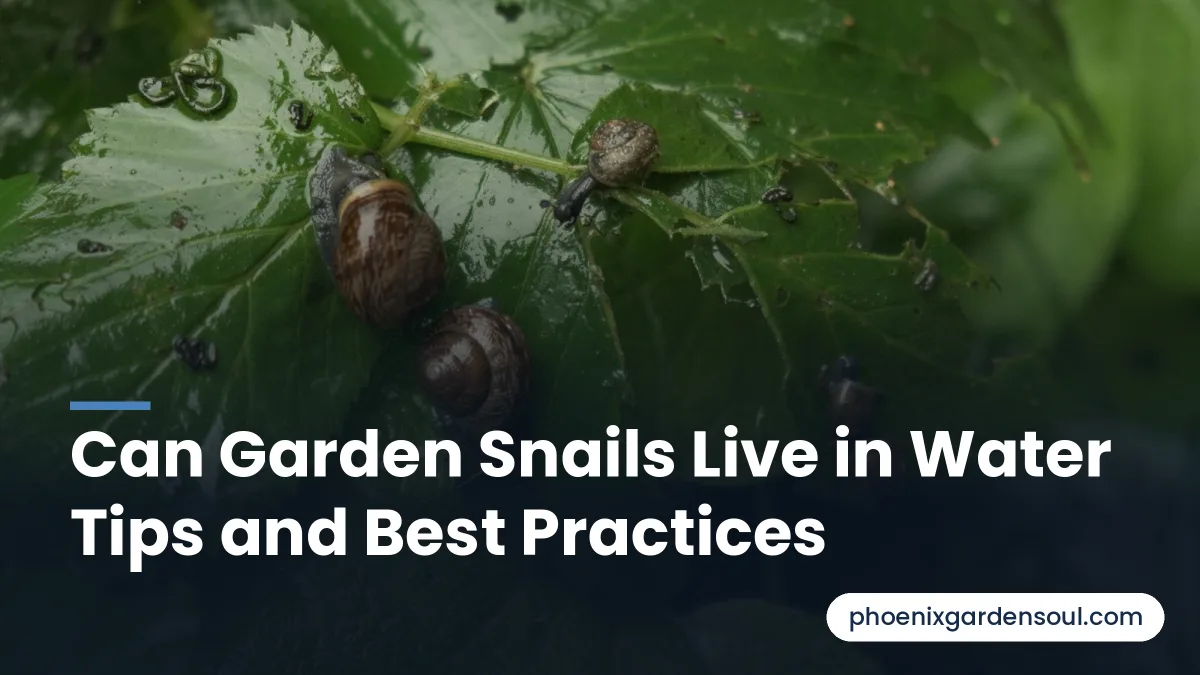
Can Garden Snails Live in Water Tips and Best Practices
As an Amazon Associate we earn from qualifying purchases. Guides are for general information; always check your owner's manual and consult a qualified mechanic when unsure.
You may have seen a garden snail cross a wet path after rain. When it comes to can garden snails live in water, having steady, tested guidance makes all the difference. It makes you wonder if they can stay in water.
The answer is not a simple yes or no. Some snails handle water better than others. Garden snails like Cornu aspersum are land creatures. Always follow official safety and maintenance guidelines for best results.
They breathe air with a lung-like cavity. But they can survive short dips in water. Other snails, like Pomacea bridgesii, live in water full-time. This piece looks at how garden snails react to water. We will cover their limits and what helps them survive. You will learn what to watch for if you keep snails near water.
Why Can Garden Snails Live in Water Matters and Core Fundamentals
Garden snails need moisture to stay alive. Their soft bodies dry out fast in open air. A thin layer of mucus keeps them from losing water. But too much water brings new risks. Their lung cavity fills up if submerged too long.
They can drown without air access. Water also pulls minerals from their shell. Calcium carbonate dissolves in acidic or low-calcium water. This weakens the shell over time. Not all snails face the same risks. For complementary picks and expert testing advice, see our guide on Are Snails Bad for the Garden Tips and Best Practices.
A land snail and an aquatic snail differ a lot. The key is knowing which type you have. You also need to check your water source. Chlorine in tap water harms their soft skin. Stagnant water grows bad bacteria fast.
Fresh, cool, and slow water works best. Low dissolved oxygen levels stress them out. Ammonia from waste builds up in still water. This toxicity can kill them in days. The right balance keeps them safe and healthy.
- Lung vs. Gill: Land snails use a lung cavity. Aquatic snails use gills or a lung combined with a siphon.
- Shell Dissolution: Acidic water eats away at calcium carbonate. This weakens the shell and causes pitting.
- Osmotic Stress: Water moves into their body through the skin. This can swell and damage soft tissues.
- Oxygen Needs: Stagnant water holds less oxygen. Snails need moving or changed water to breathe.
Essential Tools and Preparation for Can Garden Snails Live in Water
Before you try any water setup, gather the right items. You need to mimic their natural habitat safely. A shallow dish works better than a deep bowl. Deep water raises the drowning risk for land snails. Use a dish no more than one inch deep.
Add a few small stones or pebbles. These give the snail a way to climb out. You also need a cover or mesh lid. This stops the snail from crawling out while still letting air flow.
A digital thermometer helps you watch the water temp. Room heat water around 65–75°F is ideal. Let tap water sit out for 24 hours first. This lets chlorine evaporate before you add the snail. You should also have a small net on hand.
It helps you move the snail without hurting it. Keep a spray bottle nearby too. A light mist keeps their skin moist without soaking them. These simple tools make a safe setup for your snail.
Check your water source before every change. Hard water has extra minerals that can build up. Soft water lacks calcium and may dissolve shell material. A simple test strip can tell you the pH level. Aim for a neutral pH around 7.0 to 7.5.
If the water is too soft, add a tiny piece of cuttlebone. It slowly releases calcium into the water. This helps keep the shell strong. You can also use crushed eggshells or a bit of limestone.
Keep the water clean and fresh. Change it every two to three days. This stops ammonia and bacteria from building up. A small sponge filter helps keep the water clear. It adds gentle movement without creating a strong current. Most garden snails do not like fast-moving water. It tires them out and makes them hide. A calm, shallow, and clean setup works best.
- Shallow Dish: Use a dish no more than one inch deep. This lowers the drowning risk for land snails.
- Mesh Lid: A cover with small holes keeps the snail in but allows airflow.
- Water Conditioner: Let tap water sit for 24 hours to remove chlorine before adding snails.
- Test Strips: Check pH and hardness often. Neutral pH and proper hardness protect the shell.
Practical Methods for Can Garden Snails Live in Water
You can help your garden snail stay safe near water. Start by giving them a wet retreat. A small cave or hide made of bark works well. They need a dry spot to pull into. The mucus on their body helps them stick to surfaces.
It also keeps them from drying out in damp air. You can place a damp sponge next to their dish. It gives them a moist area without full submersion. Some keepers add a shallow water dish for soaking. The snail may sit in it for a few hours.
This helps them stay hydrated and clean. But watch them closely. If they flip over and cannot right themselves, they are in trouble. Gently lift them out with a soft leaf. Never force a snail under deep water.
It can fill their lung cavity and cause drowning. You should also check the water dish for waste. Clean it daily to prevent harmful bacteria. A clean setup means a healthier snail.
Some garden snails seek out water on their own. They may climb into a birdbath or garden fountain. They might also gather in rain puddles after a storm. This is normal short-term behavior. They are looking for moisture or minerals.
They usually leave when the water dries or gets too deep. You can use this natural habit to your edge. Place a flat stone in a garden water feature. It gives them a safe place to rest and eat algae.
The stone also offers a quick escape route. If you keep snails in a terrarium, add a water dish. Keep it shallow and wide. A deep dish traps them and raises humidity too much. High humidity inside a closed terrarium can cause mold. For complementary picks and expert testing advice, see our guide on Are Garden Lizards Dangerous Tips and Best Practices.
Mold harms the snail and rots their food. Balance is key. A little water goes a long way. Your snail will stay active and healthy with the right setup.
- Wet Retreat: Add a bark cave or damp sponge near the water. It gives the snail a place to rest without full submersion.
- Shallow Soak: Let the snail soak in a shallow dish for a few hours. Watch for signs of stress or flipping.
- Escape Route: Place a flat stone or ramp in deeper water features. This lets the snail climb out safely.
- Clean the Water: Clean the water dish every day. Remove waste and leftover food to prevent bacteria buildup.
Common Mistakes to Avoid and Expert Pro Tips
Many folks put their snails in deep water. That is a big error. Garden snails can drown fast. They need air access. A deep bowl traps them. The snail cannot reach the top. Its lung fills with liquid. Death comes quickly then.
Chlorinated tap water harms snails too. The chemicals burn soft tissue. You must let water sit out first. A day works well for this. Some folks skip this step. They add snails right away. Bad move. That stunts growth and harms health.
- Shallow Water Only: Keep depth under one inch. This lets snails breathe at the surface.
- Dechlorinate First: Use aged or filtered water. Chlorine burns delicate gill and lung tissue.
- No Salt Mix: Salt pulls water from snail cells. It causes deadly osmotic shock fast.
- Watch for Mold: Stagnant water grows harmful mold. Change water every two days.
- Escape Check: Snails climb glass walls. A tight lid stops escapes and loss.
Long-Term Maintenance and Best Practices
Keeping snails safe in water setups takes work. You must check conditions each day. Look at the water clarity first. Cloudy water means waste buildup. Change it right away. Also watch the heat. Cold water slows their metabolism too much. Hot water stresses them. Aim for room temp range. Around 65 to 75°F works best.
Calcium levels matter for shell health long-term. Soft water dissolves shell material over time. Add a cuttlebone piece to the dish. Crushed eggshell works too. This helps repair tiny shell cracks. Snails need rough surfaces to rasp. A clean stone in the dish helps. It keeps their feeding organ worn down right.
- Daily Water Check: Dip a clean cup. Remove debris and waste bits daily.
- Weekly Full Swap: Replace all water weekly. This stops ammonia from building up.
- Calcium Source: Add cuttlebone or crushed eggshell. It keeps shells strong and dense.
- Gentle Filtration: Use a sponge filter. It adds oxygen without strong currents.
- Hide and Rest: Give damp moss or bark. Snails need dry retreat spots nearby.
You must also clean the dish often. Biofilm grows fast on glass sides. Wipe it down with a soft brush. This keeps the feeding area clear. A clean setup means happy snails. They stay active and eat well then.
Comparing Water Setups for Garden Snails
Not all water setups work the same way. A simple dish of water is the safest choice. It gives the snail a place to soak. The snail can leave the water anytime. A small water feature with a stream is another option.
The moving water holds more oxygen. It also looks nice in a garden. But it must be very slow. Fast water pushes the snail around. This causes stress and wastes energy.
- Terrarium with a Water: A terrarium with a water pool is a third choice.
- Pool Should Take: The pool should take up only a small part.
- Rest of the Space: The rest of the space needs dry land.
- Add Moss: You can add moss to the dry area.
- This Gives: This gives the snail a place to climb.
- It Also: It also helps keep the air moist.
- Fogger or Mister: A fogger or mister can help too.
- But Use It: But use it only a little.
- Too Much Mist: Too much mist makes the air wet.
- This Can: This can lead to mold growth.
You can also use a drip system. A small drip bottle adds water slowly. It keeps the dish full without changing it often. This method works well for busy keepers. Just check the dish once a day. Make sure the water is not too deep.
The snail should always feel safe. It should never feel trapped. A good setup mimics nature. It gives the snail what it needs. It also keeps the snail active and healthy.
| Setup Type | Water Depth | Risk Level | Best For |
|---|---|---|---|
| Shallow Dish | Under 1 inch | Low | Daily hydration and feeding |
| Damp Terrarium | No standing water | Very Low | Long-term housing and breeding |
| Deep Bowl | Over 2 inches | High | Never recommended |
| Sponge Filter Tank | 1-2 inches | Medium | Temporary soaking or cleaning |
Frequently Asked Questions
Can Garden Snails Live in Water Long Term?
No. Garden snails are land animals. They breathe air through a lung cavity. They can survive short dips in water. But they cannot live underwater forever. They need to surface for air. Long-term water exposure leads to drowning and shell damage.
What Happens If a Garden Snail Falls in Water?
A garden snail will try to float or climb out. It uses its foot to grip surfaces. If the water is deep, it may tire out. The snail can drown if it cannot reach air. This is why shallow water dishes work best.
Do Garden Snails Need a Water Dish?
Yes. Snails need moisture for hydration and shell health. A shallow dish helps them soak. It also aids in their feeding habits. Just keep the water level very low. One inch or less is safe.
Is Rainwater Safe for Garden Snails?
Rainwater is soft and often safe. It lacks chlorine and heavy minerals. But collect it from clean surfaces. Avoid runoff from treated roofs. Let it sit a day before use. This removes any airborne dirt.
How Often Should I Clean the Snail Water Dish?
Clean the dish every one to two days. Snails leave slime and waste in the water. Stagnant water grows bacteria fast. A quick rinse with dechlorinated water works well. Dry the dish fully before refilling it.
Can Garden Snails Breathe Underwater?
No. Garden snails cannot breathe underwater. They have a lung cavity, not gills. They must access air to survive. A snail that stays under too long will drown. Always keep the water level very shallow.
What Kind of Water Is Best for Garden Snails?
Dechlorinated tap water works well. Rainwater is also a good choice. Avoid distilled water. It lacks minerals the snail needs. Do not use salted water. Salt harms their soft body. Stick to clean, fresh, and room temp water.
Final Thoughts and Next Steps
Now you know the risks of water for garden snails. You can set up a safe, shallow dish. Your snails will stay hydrated and healthy. Watch for signs of stress or shell damage. Change the water often to keep it fresh. A little care goes a long way. You have the tools to do this right now.
Remember that can garden snails live in water is a short-term need only. They need land to thrive. Balance is the key to happy snails. Keep their home moist but not soaked. Give them clean water daily. Your garden snails will live longer then. You will see more active, healthy snails in your care.