Can Colored Lights Affect How Plants Grow for Beginners
As an Amazon Associate we earn from qualifying purchases. Guides are for general information; always check your owner's manual and consult a qualified mechanic when unsure.
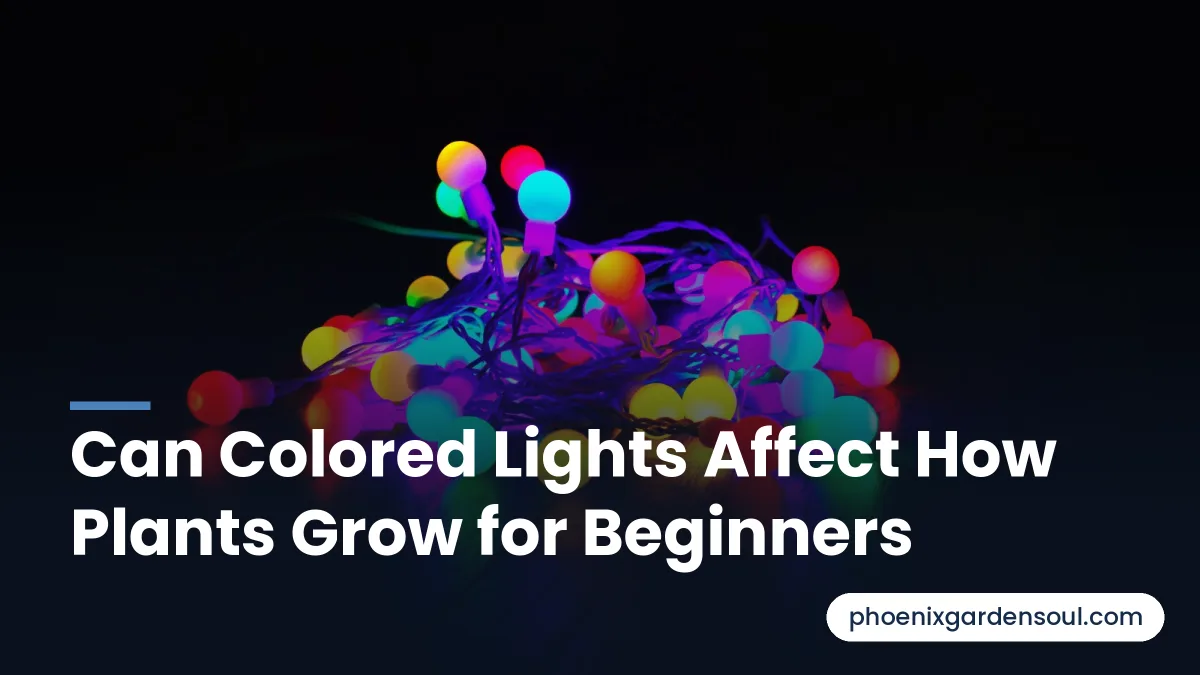
can colored lights affect how plants grow is a real question. Light is food for plants. They turn light into sugar. Different colors change how plants act.
Plants use special pigments to catch light. Chlorophyll grabs red and blue light best. Green light bounces off. That is why leaves look green. Other pigments like carotenoids help too. Light is not just brightness. It is a signal. Plants read light color to know their world. They use this info to grow or flower. The right color can shape a plant’s form. Always follow official safety and maintenance guidelines for best results.
Essential Tools and Preparation for Can Colored Lights Affect How Plants Grow
You need the right gear to test light color. A simple LED panel works well. Look for a tunable model. This lets you shift colors easily.
Applying these proven insights on can colored lights affect how plants grow helps you avoid costly mistakes. A PAR meter is key. It measures the light plants can use. Lux meters are not enough. They measure what our eyes see. Plants need a different read. A quantum sensor gives the right data. For complementary picks and expert testing advice, see our guide on How to Master Are Birds Harmful to Plants Step by Step.
You also need a timer. Plants need a steady day-night cycle. A smart controller helps a lot. It can change light colors on a set plan. Keep a log of your settings. This helps you learn what works best.
- Tunable LED Panel: Lets you mix red, blue, and white easily.
- Quantum Sensor: Measures photosynthetic light, not just brightness to eyes.
- Programmable Timer: Keeps your light schedule steady and repeatable.
- Grow Log Notebook: Tracks settings, plant changes, and results over time.
Before you buy anything, measure your space. Note the size of your grow area. Check the height from light to canopy. This distance matters a lot. It affects light intensity and heat. Write down your goals too. Do you want fast leafy growth?
Or do you want more flowers? Your goal shapes your light plan. A small desk setup needs a different panel than a full room. Start with a simple layout. Put your light on a stable stand. Make sure it hangs level. This prevents hot spots and weak zones.
Step-By-Step Practical Methods That Work for Can Colored Lights Affect How Plants Grow
Start with a simple test. Pick one plant type. Use a red-blue mix for a set time. Then use full white light. Watch the leaves and stems. Note any changes in color or shape. This basic test shows the effect fast.
Next, try a pure red setup. Red light often makes stems stretch. It can also trigger flowering in some plants. Then test a pure blue setup. Blue light tends to make plants bushier. Leaves may get thicker and darker too.
Now mix your ratios. A high red to far-red ratio keeps plants short. A low ratio can cause stretch. This is the shade avoidance signal. Adjust your light recipe as the plant grows. Seedlings need different light than mature plants. Fruiting plants need more red during bloom.
- Red-Blue Test: Run a side-by-side trial with a simple mix.
- Stem Stretch Check: Note internode length under red-only light.
- Bushiness Shift: Watch for thicker growth under blue-only light.
- Ratio Tuning: Adjust red to far-red to control plant shape.
Set up your test with care. Use identical plants in the same room. Give them the same soil and water. Only change the light color. This keeps your test fair. Mark each pot with a tag. Write the light color on each tag. Check plants at the same time each day. Use a phone camera to take photos. Photos help you see changes over time.
A ruler helps you track stem height. A simple spreadsheet works as a log. Record the date, light color, and plant height. Note leaf size and color too. After two weeks, compare your notes. You will see clear differences. One plant may stretch tall. Another may stay short and wide. These patterns reveal the power of color.
Try a third phase with white light. White light has all colors. It often gives balanced growth. Plants under white light may grow faster. They may also develop stronger roots. Use white light as your baseline.
Compare red and blue results to it. This tells you what each color adds. You may find a mix works best. A 3-to-1 red to blue ratio is a good start. Adjust this mix as plants move through stages.
Common Mistakes to Avoid and Expert Pro Tips
Many growers pick a color and forget the rest. They set it and ignore daily checks. That path leads to weak plants.
Colored lights can push growth in odd directions. Too much red makes stems stretch thin. Too much blue can stall size. You need balance.
- Ignoring Distance: Keep lights 12 to 24 inches above leaves. Too close burns tips. Too far causes weak, pale growth.
- Skipping the Dark Period: Plants need a nightly break. Constant light confuses their internal clock. Give them 6 to 8 hours of dark.
- Using Only One Color: A single hue lacks full data. Plants need red and blue together for healthy leaves and roots.
- Forgetting Reflective Surfaces: Mylar walls bounce light back. They boost usable light by 30 percent or more. This saves energy and money.
Watch your plants each day. Check for pale edges or tall, thin stems. Those signs tell you to change the setup fast.
One big mistake is ignoring heat. Colored LEDs run cool. But old fixtures or cheap drivers can get hot. Check the back of your panel. If it is warm, add a small fan. Good airflow keeps light output stable. Another mistake is changing colors too fast. Plants need time to adapt.
Give each light color at least five days. Then make one change at a time. This way you know what caused each effect. Keep your room heat steady too. Most plants like air between 65 and 75 degrees Fahrenheit. High heat speeds up light damage. Cold air slows growth and causes stress.
Expert growers also watch the canopy closely. The top leaves block light from reaching lower leaves. This creates shade stress. Use a simple test. Lift the top leaves gently. Do the lower leaves look pale?
If so, your light is too weak below. Add a second light or raise the panel. Reflective walls help fix this. Mylar or white paint bounces light deep into the canopy. This gives every leaf a chance to feed.
Long-Term Maintenance and Best Practices
Good habits keep your system strong over time. Clean parts and check wiring often. Small fixes stop big problems later.
Dust on lenses cuts light output fast. A dirty reflector sends weak light to your canopy. Wipe surfaces every week with a dry cloth. For complementary picks and expert testing advice, see our guide on Are Mealybugs Harmful to Plants Tips and Best Practices.
- Check Wiring Monthly: Look for frayed cords or loose plugs. Heat builds up near sockets. Loose connections cause sparks or failure.
- Replace Bulbs Yearly: LEDs last long but dim over time. Old bulbs give less red and blue. Swap them before output drops.
- Log Your Settings: Write down daily light hours and distance. Note plant changes each week. This log helps you spot trends fast.
- Calibrate Your Timer: Use a digital timer with battery backup. Power cuts reset cheap timers. A steady dark period keeps plants on track.
Watch how plants respond over full grow cycles. You will learn what works best in your space. Adjust light colors as plants shift from growth to bloom.
Create a simple upkeep routine. Pick one day each week for checks. On that day, wipe down your lights. Inspect the power cords and plugs. Look for any chewed or pinched wires. A damaged cord can cause a short. It can also start a fire. Tighten any loose screws on the panel frame.
Loose frames vibrate and wear out fast. Check your timer display too. Make sure it shows the right time. A timer set five minutes off changes your dark period. That small shift can stress plants. Over weeks, small errors add up. Your plants may flower late or grow weak.
Seasonal changes also matter. In winter, daylight hours drop. Your plants may need longer light periods. In summer, natural light is strong. You may need to dim your panels. Watch your plants for signs.
Pale leaves often mean light is too low. Brown tips often mean light is too strong. Adjust your schedule slowly. Change the light hours by 15 minutes a day. This gives plants time to adapt without shock.
How Light Color Shapes Plant Form and Flowering
Light color does more than drive growth. It controls plant shape and timing. Each hue sends a specific signal. Plants read these signals to decide their form.
- Red Light Drives: Red light drives stem growth and flowering.
- It Tells: It tells a plant it is time to bloom.
- Far-Red Light Works: Far-red light works with red to set this signal.
- Mix of Red: A mix of red and far-red controls height.
- Too Much Far-Red: Too much far-red makes plants stretch fast.
- This Is: This is a survival trick.
- Plants Stretch: Plants stretch to escape shade.
- In a Garden, This: In a garden, this can make plants weak.
- Keep the Red: Keep the red to far-red ratio high.
- This Keeps Plants: This keeps plants short and strong.
- Ratio of 1: A ratio of 1.2 or higher works well for most crops.
Blue light builds dense, sturdy tissue. It slows stem stretch. It also helps leaves thicken. Thick leaves hold more chlorophyll. This boosts the plant’s ability to make food. Blue light can also open stomata.
Stomata are tiny pores on leaves. They let in carbon dioxide. More carbon dioxide means more sugar production. Blue light also slows water loss. This helps plants survive dry spells. A mix of 20 to 30 percent blue light works well for leafy greens.
Green light reaches deeper into the canopy. It fills in the shade under top leaves. Lower leaves use green light to make food. A small amount of green keeps the whole plant healthy. Too much green, however, can slow growth.
Keep green light below 10 percent of your mix. Some growers add a small green chip. It helps them see the plant better. It also works as a mild signal for even growth.
Matching Light Recipes to Plant Types
Different plants need different light recipes. Leafy greens love blue light. It keeps them compact and full. Herbs like basil and cilantro do well with a blue-heavy mix. Fruiting plants need more red during bloom. Tomatoes and peppers use red to set fruit.
Flowering plants often need a red boost to open buds. A simple rule is to start balanced. Use a 1-to-1 red to blue ratio for seedlings. Shift to 2-to-1 red for flowering. Adjust white light to fill the gaps.
- Root Crops Also: Root crops also benefit from color control.
- Carrots and Radishes: Carrots and radishes grow well under a balanced mix.
- Too Much Red: Too much red can push leafy top growth.
- This Makes: This makes the root thin and forked.
- Add More Blue: Add more blue to keep root growth strong.
- Gentle Far-Red Boost: A gentle far-red boost can still help.
- It Encourages: It encourages the plant to focus energy below the soil.
Orchids and other tropical plants are sensitive. They need a very specific light recipe. A mix with high blue and low red works well. It keeps their leaves compact. It also triggers blooming in many species.
Research your plant type before you set a fixed recipe. A small change can make a big difference. Keep notes on each plant type you grow. Over time, you will build a custom light library for your garden. For complementary picks and expert testing advice, see our guide on Are Flea Beetles Harmful to Plants for Beginners.
Using Light Cycles to Boost Growth and Yield
A light cycle is the on-off pattern you set. It controls how many hours of light a plant gets. Most plants need 12 to 16 hours of light a day. Seedlings often do best with 16 hours. Mature plants may need 12 hours of light.
The rest of the time is dark. Dark periods are just as key as light. Plants use the dark phase to process food. They turn sugar into energy for growth and bloom.
- Set Your Timer: Set your timer to match the natural day length.
- In Spring: In spring, a 14-hour cycle works well for most greens.
- In Late Summer: In late summer, shift to 12 hours for flowering plants.
- Never Change: Never change the cycle by more than one hour a day.
- Sudden Shifts: Sudden shifts cause stress.
- Plants May Drop: Plants may drop leaves or stop growing.
- Stable Cycle Builds: A stable cycle builds strong, predictable growth.
Some growers use a split light cycle. They give plants a short burst of light at night. This is called a night break. It can delay flowering in some plants. It can also keep seedlings from stretching too much.
Use a dim, low-intensity light for the night break. A small blue LED works well. Keep it on for 15 to 30 minutes. Then turn it off. This trick is simple but very strong for delicate plants.
Troubleshooting Common Light-Related Problems
Even with the right setup, problems can appear. Watch your plants daily for warning signs. Pale or yellow leaves often mean too little light. Or it can mean a lack of nutrients. Check your light distance first. If the light is too far, move it closer. If it is too close, raise it a few inches. Brown, crispy leaf edges point to light burn.
This happens when light is too intense. Lower the light or increase the distance. Dark, stretched stems are a sign of weak blue light. The plant is searching for more light. Add a blue LED panel or shift the ratio. Purple or magenta leaves can signal a color imbalance. This often happens with too much red and no blue. Adjust the mix and watch for recovery in a few days.
- Pest Issues: Pest issues can also link to light color.
- Weak Plants Attract: Weak plants attract more pests.
- Plant Stressed: A plant stressed by bad light is an easy target.
- Spider Mites: Spider mites and aphids thrive on stressed plants.
- Fix the Light Setup: Fix the light setup first.
- Then Treat: Then treat the pests.
- Strong, Healthy Plants: Strong, healthy plants fight off pests much better.
- Clean, Stable Light Routine: A clean, stable light routine is your first defense.
| Light Factor | Best Range | Common Mistake | Fix |
|---|---|---|---|
| Red to Far-Red Ratio | R:FR above 1.0 | Too much far-red | Add more red LEDs |
| Blue Light % | 20 to 40 percent | All red or all blue | Mix spectra for balance |
| Light Duration | 12 to 16 hours | 24-hour lighting | Set a strict dark period |
| Mounting Height | 12 to 24 inches | Too close or too far | Measure and adjust weekly |
| Reflective Surfaces | Mylar or white paint | Dark bare walls | Add reflectors or paint |
Final Thoughts and Next Steps
You now know how light color shapes plant form. Each hue sends a different signal to leaves and roots. Red drives stretch and bloom. Blue builds dense, sturdy tissue. Mix them with care and watch your plants thrive.
Start with a simple two-color setup. Add a white full-spectrum bar for balance. Track results and adjust your light recipe each cycle. Small changes add up to big harvests over time. You can fine-tune your setup to match each stage of growth. The right light recipe turns a basic setup into a high-power garden.