Are Flea Beetles Harmful to Plants for Beginners
As an Amazon Associate we earn from qualifying purchases. Guides are for general information; always check your owner's manual and consult a qualified mechanic when unsure.
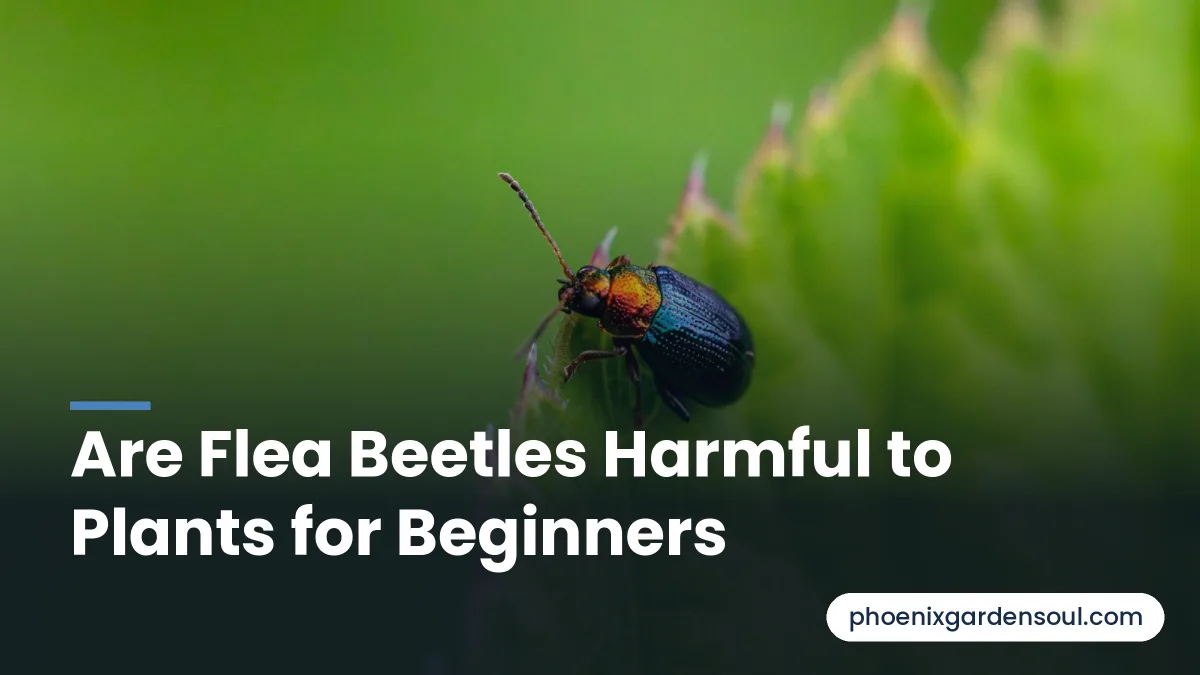
are flea beetles harmful to plants? Yes, they can cause real damage. These tiny insects chew leaves and stems. They love brassica crops like cabbage and kale. Their feeding creates small holes in foliage.
This damage weakens plants over time. Seedlings can die from heavy flea beetle feeding. We need to understand their impact on gardens. Protecting your crops starts with knowing the threat. Let us look at the core facts below. Always follow official safety and maintenance guidelines for best results.
Flea beetles belong to the Chrysomelidae family. They jump like fleas when disturbed. You will spot them on leaf undersides. They feed on many garden plants. Brassicaceae crops face the highest risk. But they also attack ornamentals and solanaceous crops.
Their shot-hole feeding pattern is very distinct. Small round holes dot the leaves. This damage reduces the plant’s ability to photosynthesize. Healthy leaves need full surface area to grow. The beetles strip away that green tissue. We will explore why this matters next.
Why Are Flea Beetles Harmful to Plants Matters and Core Fundamentals
Flea beetles damage plants in two main ways. Adult beetles chew holes in leaves. This is called shot-hole feeding. It strips away the green photosynthetic tissue. Plants need that tissue to make food. Without it, growth slows or stops. Seedlings can die from heavy feeding.
The damage looks small at first. A few round holes on a leaf seem harmless. But flea beetles feed fast and in groups. One beetle makes a few holes. Hundreds of beetles make many holes very fast. For complementary picks and expert testing advice, see our guide on How to Master 4×12 Raised Bed Spacing Step by Step.
The plant loses more green surface than it can replace. Photosynthesis drops sharply. The plant then lacks the energy to grow. This is why early control matters so much.
Larvae cause a second type of harm underground. The tiny grubs hatch in soil near roots. They chew on root hairs and fine roots. This cuts the plant’s water and nutrient intake. You may not see the larvae at all. The plant shows the damage above ground instead. Leaves turn pale. Growth stalls. The whole plant looks weak and stressed.
- Beetles Target: The beetles target the most tender new leaves.
- They Also Spread: They also spread plant viruses.
- Turnip Mosaic Virus: Turnip mosaic virus is a key example.
- One Infected Plant: One infected plant can spread disease to others.
- This Makes Flea: This makes flea beetles a double threat to your garden.
- We Will Cover: We will cover the specific plants at risk next.
Brassica crops suffer the most from flea beetle attacks. Cabbage, broccoli, and kale are prime targets. Radish and turnip plants also face high damage. The beetles prefer the tender leaves of these crops. They will feed on other plants too. Ornamental brassicas like wallflowers attract them. Solanaceous crops like tomatoes can get hit as well.
The brassica family is most vulnerable. These plants have glucosinolates in their tissues. The chemicals smell strong to beetles. Flea beetles evolved to feed on these plants. They find brassicas faster in a mixed garden. This preference makes brassica growers face higher pressure. You can not always avoid it. But you can plan around it.
Root damage happens when larvae feed underground. The larvae chew on root hairs. This reduces the plant’s ability to take up water. Plant vigor drops when roots are damaged.
You will see yellowing and stunted growth. Plants that also face drought stress suffer even more. A weak root system can not support the top growth. The plant wilts on hot days even with soil moisture present.
Virus spread adds another layer of harm. Adult beetles carry plant viruses on their bodies. They move from plant to plant while feeding. The virus enters through the feeding wounds. Turnip mosaic virus is a key example.
It causes mottled yellow and green patterns on leaves. Infected plants grow poorly. Their fruit or root quality drops. One infected plant can spread disease to others. This makes flea beetles a double threat to your garden.
The Full Life Cycle of Flea Beetles and Why It Matters
Understanding how flea beetles grow helps you fight them. Adults overwinter in garden debris and soil. They wake up in early spring when heat rise. The beetles start feeding on new leaves right away. They mate within days of emerging. Females lay small clusters of eggs in soil.
- Eggs Hatch: Eggs hatch in about one to two weeks.
- Tiny Larvae Crawl: Tiny larvae crawl down to the root zone.
- They Feed: They feed on root hairs for several weeks.
- Then They Pupate: Then they pupate in soil chambers.
- Adult Beetles Emerge: Adult beetles emerge from the pupae within two weeks.
- Whole Cycle Takes: The whole cycle takes three to four weeks in warm weather.
- This Means Many Generations: This means many generations can occur in one summer.
Each generation adds more beetles to the garden. Populations build fast when conditions are favorable. Early spring adults are the first threat. They attack tender seedlings before plants are strong.
A second wave often arrives in mid-summer. A third wave can hit late in the season. Each wave can undo your earlier progress. You need to plan for multiple attacks.
You can break this cycle at several points. Removing crop residue reduces overwintering adults. Delaying planting avoids the first spring peak. Soil treatments target the larval stage. Trap crops draw adults away from your main crop. Layered defenses work best because no single method hits all life stages.
Essential Tools and Preparation for Are Flea Beetles Harmful to Plants
You need the right tools to fight flea beetles. Start your defense before planting. Gather everything in advance. This saves time when beetles appear suddenly.
Row covers are your first line of defense. Use light floating row covers over new transplants. They block beetles from reaching the leaves. Secure the edges with soil or clips. Leave no gaps for beetles to slip through. Remove covers when plants flower if you need pollination.
Sticky traps help you monitor beetle numbers. Yellow sticky traps catch adult flea beetles. Place them near the base of plants. Check them twice a week. Rising trap counts warn you of an incoming wave. You can time your sprays based on trap data.
- Diatomaceous Earth: Diatomaceous earth works as a physical barrier.
- It Damages: It damages the beetle’s soft body.
- Reapply It After: You must reapply it after rain.
- Insecticidal Soap: Insecticidal soap can knock down beetle populations.
- It Needs: It needs direct contact to work well.
- Let Us Look: Let us look at the preparation steps below.
Diatomaceous earth works as a physical barrier. It damages the beetle’s soft body. Apply it around the base of plants. Use food-grade DE only. You must reapply it after rain. Water washes it away fast.
Insecticidal soap can knock down beetle populations. It needs direct contact to work well. Spray the leaves thoroughly. Cover both tops and undersides. Soap breaks down quickly in sun. Reapply every five to seven days during outbreaks.
Good soil health helps plants resist flea beetle damage. Healthy plants can tolerate more feeding. Add compost to your garden beds each season. Compost feeds the soil microbes. Strong microbes help plants grow deep roots. Deep roots make plants less vulnerable. Add a two-inch layer of compost each fall. Work it into the top few inches of soil.
You should also clean up crop residue. Old brassica leaves harbor overwintering beetles. Till or turn under that debris in fall. This reduces the beetle population next spring. Remove all spent plants after harvest. Do not compost them in place. The beetles can survive in the pile.
Test your soil pH and nutrients yearly. Aim for a pH near 6.5 to 7.0. Balanced nutrients support strong plant growth. Nitrogen levels matter a lot. Too much nitrogen produces soft, sappy growth.
Beetles love that soft tissue. Too little nitrogen stunts plants. They lose vigor and cannot recover from feeding. Use soil test results to guide your fertilization plan.
Step-By-Step Garden Preparation Before Planting Season
Preparation before planting sets the tone for the whole season. Start by clearing last year’s crop debris. Remove all old brassica plants and roots. Till the soil to a depth of four to six inches. This exposes overwintering beetles to birds and cold heat. Let the exposed beetles get eaten or freeze.
- Plan Your Crop: Next, plan your crop rotation map.
- Mark Where Brassicas: Mark where brassicas grew last year.
- Do Not Plant: Do not plant brassicas in those spots for at least two years.
- Use a Simple: Use a simple notebook or garden app.
- Record Each Bed’s: Record each bed’s planting history.
- Rotation Is One: Rotation is one of the easiest and most strong defenses.
Set up your row cover system early. Install hoops over beds before transplanting. Drape the floating row cover over the hoops. Anchor the edges firmly. Test the cover by gently pressing on it. It should not sag to the ground. Beetles can crawl under loose edges.
Place yellow sticky traps around the garden perimeter. Set a few traps near each bed. Check the first readings after one week. This gives you a baseline beetle population. If traps catch many beetles early, plan to apply preventive treatments. Early data helps you act before damage starts.
Practical Methods for Are Flea Beetles Harmful to Plants
We have several practical methods to manage flea beetles. Start with crop rotation. Do not plant brassicas in the same spot each year. Rotate to a non-host crop for two years. This breaks the beetle’s life cycle. The beetles find no food in that spot. Their numbers drop over time.
Trap cropping is another smart strategy. Plant a small patch of mustard greens near your main crop. The beetles will prefer the mustard. Then you can treat that small area. This saves your main crop. The trap crop acts as a decoy. Spray it or remove it once beetles gather. Use at least one row of mustard for every four rows of your main crop.
You can also use kaolin clay spray. It coats leaves and confuses the beetles. They will not feed on coated leaves. The white film makes plants look and smell wrong. Apply it before beetle numbers peak. Reapply after heavy rain. This method works well on leafy crops. It is safe for beneficial insects when used correctly.
- Then You: Then you can treat that small area.
- This Saves: This saves your main crop.
- Also Use Kaolin: You can also use kaolin clay spray.
- It Coats Leaves: It coats leaves and confuses the beetles.
- They Will Not: They will not feed on coated leaves.
- These Methods: These methods work best when used together.
- Timing Is Key: Timing is key to getting good control.
Timing your planting dates can reduce flea beetle harm. Plant brassica seeds when the soil is still cool. Early planting lets roots establish before beetle numbers peak. Delayed planting often means worse damage. Beetles are already present and hungry.
They find young transplants very attractive. Start seeds indoors a few weeks early. Transplant them out while soil heat are below 60°F. The plants get a head start.
You can also use resistant varieties. Some brassica cultivars show less beetle damage. Check with your local extension service for picks. They know which varieties work best in your area. Resistant varieties are not immune. But they sustain less feeding and recover faster. Look for named cultivars with flea beetle tolerance in trial reports.
Always scout your garden every few days. Walk the rows and look at the leaf undersides. Early detection gives you the best chance to act. Look for tiny shot holes on new leaves. Check for adult beetles resting on the undersides. Also look for pale wilting that signals root damage. A two-minute walk through each bed can save your crop.
When you find damage, act right away. Remove the worst-infested leaves. Apply insecticidal soap to affected plants. Add diatomaceous earth around the base. Increase scouting frequency to every two days. Do not wait to see if damage improves. Flea beetle populations grow fast. Early action prevents an outbreak.
Building a Layered Defense System for Your Garden Beds
No single method controls flea beetles completely. The best results come from layered defenses. Each layer targets a different life stage or behavior. Row covers block adults from laying eggs. Soil treatments target larvae underground. Sprays reduce active adult populations. Trap crops pull adults away from your main crop.
- Start with Row: Start with row covers at planting.
- Add Sticky: Add sticky traps for monitoring.
- Apply Soil Treatments: Apply soil treatments when larvae are small.
- Use Trap Crops: Use trap crops near each bed.
- Rotate Crops Yearly: Rotate crops yearly to reduce pressure.
- This Combination: This mix is more strong than any single tactic.
- It Also Slows: It also slows resistance development in beetle populations.
Time each layer for the right moment. Put row covers on before beetles emerge. Set traps when adults become active. Apply soil treatments two weeks after planting. Start trap crops one week before main crop planting. Synchronize your layers with the beetle life cycle. This creates steady protection through the growing season.
Beneficial nematodes can add another layer. These tiny organisms live in soil. They attack flea beetle larvae. Apply them to moist soil in evening. They search for larvae and infect them. This reduces next season’s adult population. Use nematodes alongside other methods for best results. They work well in warm, moist soil conditions.
Common Mistakes to Avoid and Expert Pro Tips
Many growers skip scouting. They miss early flea beetle damage until holes cover leaves. Check plants each morning. Look for tiny shot holes on new leaves. Morning light shows damage more clearly. Beetles are also easier to spot at dawn. Make scouting part of your daily routine.
Some folks spray at the wrong time. They hit beetles when they fly. But eggs hide in soil. You need to target both stages. Spray at dusk when beetles are active and feeding on leaf surfaces. They are more likely to contact the spray then. Larvae in soil need a different approach entirely.
- Wrong Timing: Spray at dusk when beetles are active and feeding on leaf surfaces.
- Ignoring Soil: Treat soil with diatomaceous earth to kill larvae before they reach roots.
- One-Size Sprays: Rotate between pyrethrin and spinosad to avoid resistance buildup in local beetle populations.
- Neglecting Borders: Weed garden edges. Wild mustard and volunteer crucifers host flea beetles near your crops.
Ignoring soil treatment is another common mistake. Treat soil with diatomaceous earth to kill larvae before they reach roots. Apply a band of DE around each plant base. Extend it a few inches outward. Keep the soil surface dry for best effect. Reapply after any rain or watering.
Using one spray all season causes problems. Rotate between pyrethrin and spinosad to avoid resistance buildup in local beetle populations. Beetles can become immune to one product. Alternating modes of action keeps them vulnerable. Follow label rates closely. Do not exceed top application frequency. For complementary picks and expert testing advice, see our guide on How to Master 2×4 Raised Bed Layout Step by Step.
Neglecting garden borders lets beetle populations build. Weed garden edges. Wild mustard and volunteer crucifers host flea beetles near your crops. Remove these host plants regularly. Mow edges to reduce beetle habitat. A clean border reduces the beetle pressure on your main crops. Spend ten minutes weeding each week. It pays off in reduced damage.
Use yellow sticky traps near transplants. They catch adult beetles before they feed heavily. Place traps at plant height. Check them twice a week. Move traps higher as plants grow. This keeps them at beetle flight level. Traps also give you population data. Use that data to adjust your spray schedule.
Do not rely on one method alone. Combine row covers with beneficial nematodes. This layered approach cuts flea beetle pressure much more than any single tactic. Watch for signs of plant stress like wilting or pale leaves. Catching problems early saves your harvest. Treat each sign as a prompt to act. Do not hope the problem will go away.
Apply sprays in calm conditions. Avoid spraying when wind is above five miles per hour. Wind causes drift. It reduces spray effectiveness. It can also harm nearby plants or beneficial insects. Spray in the early evening when wind is usually calm. This also protects bees that forage during the day. Always read and follow the product label instructions.
Long-Term Maintenance and Best Practices
Build healthy soil first. Rich soil grows strong plants. Strong plants fight off flea beetle damage better. Add compost each fall. This feeds good soil life.
Compost also improves soil drainage. Well-drained soil reduces root rot risk. Healthy roots support healthy top growth. Plants with deep roots access more water. They withstand beetle feeding stress longer.
Rotate crops every year. Do not plant brassicas in the same spot twice. Flea beetles overwinter in crop residue. Breaking that cycle cuts their numbers. Use a 3-year rotation plan. It works well for most gardens. Move brassicas to a new bed each year. Fill old brassica beds with legumes or alliums. These crops do not host flea beetles.
- Soil Testing: Test pH and nutrients yearly. Healthy plants with balanced nitrogen resist pest feeding better than stressed ones.
- Cover Crop Choices: Plant mustard or rapeseed as green manure. Their glucosinolates suppress soil-borne pests and improve structure.
- Resistant Varieties: Choose broccoli or kale cultivars bred for flea beetle tolerance when available from seed suppliers.
- Sanitation Habits: Remove crop debris after harvest. Till lightly to bury residue where adult beetles would or else overwinter.
Monitor trap counts through the season. Set yellow sticky traps in early spring. This gives you a head start. You can track population trends. Adjust your spray schedule based on what you find. Rising counts mean more protection is needed. Falling counts mean you can reduce treatments. Data-driven decisions save time and money.
Keep records of what works. Note dates, products, and results. This helps you plan next year. Good records make you a better grower. They turn guesswork into real knowledge. Write down weather conditions too.
Wet springs increase root damage risk. Dry summers increase plant stress. These details help you see the full picture. A simple notebook by your garden bench works fine. Digital records work well too if you prefer them.
Use cover crops in the off-season. Plant mustard or rapeseed as green manure. Their glucosinolates suppress soil-borne pests and improve structure. Till them into soil before they set seed. This adds organic matter.
It also disrupts pest life cycles. Cover crops protect soil from erosion too. They keep your garden productive between main crop seasons. Choose a cover crop mix that fits your rotation plan.
Practice good sanitation habits. Remove crop debris after harvest. Till lightly to bury residue where adult beetles would or else overwinter. Do not leave old roots in the soil. Beetles use them as shelter through winter.
Clean tools and stakes too. They can carry eggs or debris. A tidy garden has fewer pest hiding places. Take an extra half hour at season end to clean up. This small effort reduces next season’s problems greatly.
Encourage natural predators in your garden. Ground beetles and spiders eat flea beetles. Birds also feed on adults. Create habitat for these helpers. Leave some wild areas with leaf litter. Add birdhouses and bird baths.
Avoid broad-spectrum insecticides that kill beneficial insects. A balanced garden ecosystem keeps flea beetle populations in check naturally. Plant flowers that attract predatory insects. Yarrow and dill are good choices. They bring in beneficial wasps and hoverflies that prey on beetles.
Long-Term Records and Seasonal Planning for Flea Beetle Control
Tracking flea beetle activity over multiple seasons gives you a strong edge. Start a garden journal on the first day of spring each year. Record when adults first appear. Note the weather conditions on that date.
This helps you predict emergence timing in future years. Flea beetles emerge when soil heat reach a steady threshold. You can use soil thermometers to track this. The data becomes more valuable with each passing year.
- Map Your Garden: Map your garden layout annually.
- Mark Which Beds: Mark which beds had heavy flea beetle pressure.
- Note Which Crops: Note which crops followed brassicas in the rotation.
- Over Time, You: Over time, you will see patterns.
- Some Beds Consistently: Some beds always attract more beetles.
- Certain Rotation Sequences: Certain rotation sequences reduce pressure faster than others.
- Use These Maps: Use these maps to make smarter planting decisions.
- Adjust Your Rotation: Adjust your rotation plan based on historical data.
- This Turns: This turns your garden into a well-managed system.
Review your product effectiveness each season. Did pyrethrin work better than spinosad last year? Did kaolin clay reduce damage on kale mainly? Write down the answers. Note application rates and timing too.
These details help you refine your approach. You avoid repeating ineffective treatments. You invest time in methods that give real results. Good record-keeping is like free advice from your past self.
Plan your spring activities based on past observations. If beetles appeared in week three last year, set traps in week one this year. If early planting reduced damage, start seeds indoors earlier.
If row covers held up well, reuse them. If certain edges had more beetles, weed those areas more aggressively. Planning ahead based on records is far more strong than reacting after damage occurs.
Understanding Regional Variations in Flea Beetle Pressure
Flea beetle pressure varies by region. Warm climates see more generations per year. Beetles develop faster in hot weather. Gardens in southern areas face extended feeding seasons. Northern gardens get a shorter window.
But spring damage can still be severe there. Cool early springs delay beetle emergence. A late frost can knock back populations temporarily. Still, survivors return with renewed energy.
- Dry Regions Face: Dry regions face a different challenge.
- Beetles Thrive: Beetles thrive in dry conditions.
- Dusty Soil Surfaces: Dusty soil surfaces favor flea beetle movement.
- Row Covers Become: Row covers become even more key here.
- Soil Moisture: Soil moisture is limited.
- Plants Are Already: Plants are already stressed by drought.
- Adding Feeding Damage: Adding feeding damage on top pushes them past recovery limits.
- Mulch Your Beds: Mulch your beds to conserve soil moisture.
- This Gives Plants: This gives plants a buffer against combined stress.
Humid regions deal with fungal issues alongside beetle damage. Feeding wounds on leaves become entry points for fungal spores. Wet foliage promotes disease spread. You face a double problem. Beetles weaken plants. Fungi finish them off.
Apply fungicides if needed. Improve air circulation between plants. Remove wet debris promptly. This reduces fungal load alongside beetle pressure. Adapt your strategy to your local climate. A one-size-fits-all approach never works perfectly everywhere.
How to Handle Severe Flea Beetle Infestations
Sometimes flea beetle pressure overwhelms your defenses. You see damage on most leaves. Seedlings are wilting. Stems show feeding scars. This is a severe infestation. Act fast. Remove the worst-damaged plants entirely. They will not recover. Pull them out and dispose of them away from the garden. Do not compost them. Beetles can escape and spread.
- Apply a Contact: Next, apply a contact insecticide as a rescue treatment.
- Spinosad Works Well: Spinosad works well in severe cases.
- Cover All Leaf: Cover all leaf surfaces thoroughly.
- Repeat in Three: Repeat in three days.
- Check Neighboring Plants: Check neighboring plants for beetles.
- Treat Preventively Even: Treat preventively even if they look clean.
- Severe Infestations Spread: Severe infestations spread fast.
- Stay Ahead: You need to stay ahead of the population curve.
Add emergency row covers over remaining crops. Secure them tightly. Treat the soil with diatomaceous earth. Reduce watering for a day or two. Beetles prefer moist surfaces. Slightly drier conditions make them less active.
This gives your plants a short recovery window. Monitor daily. Remove row covers when beetle activity drops. Resume normal care. Provide extra compost tea to help plants regrow lost tissue.
Consider removing the entire crop if damage is extreme. This is a hard decision. But a lost crop can harbor beetles all season. Those beetles then move to healthy plants nearby.
A fresh start in a clean bed sometimes works better. Plant a non-brassica crop for the rest of the season. Beans, squash, or root vegetables are safe choices. Reset your defenses and plan a better rotation for next year.
| Method | Type | Best For | Speed | Cost |
|---|---|---|---|---|
| Row Covers | Exclusion | Seedlings and transplants | Immediate | Low |
| Diatomaceous Earth | Desiccant | Soil-dwelling larvae | Slow | Very Low |
| Spinosad Spray | Biological | Adult beetles on leaves | Fast | Medium |
| Neem Oil | Botanical | Feeding deterrent | Moderate | Low |
| Beneficial Nematodes | Biological | Soil larvae control | Slow | Medium |
Frequently Asked Questions
Can Flea Beetles Kill Plants Outright?
Yes, heavy infestations can. Young seedlings are most at risk. Flea beetles feed on tender leaves and stems. They chew so many holes that plants lose turgor pressure. Severe defoliation stops growth.
The plant may die if roots are also damaged. Check seedlings daily during peak beetle season. Early intervention saves many plants that would or else perish. Water and fertilize recovering plants to help them bounce back faster.
Do Flea Beetles Only Eat Brassicas?
No. Many species prefer crucifers. But some feed on solanaceous crops too. They attack tomatoes, peppers, and eggplant. Others target ornamentals like roses and marigolds.
The crucifer flea beetle sticks mainly to brassicas. Always check which species you have in your area. Identifying the species helps you predict which plants will be targeted. Mixed gardens face broader damage risks than those growing only brassicas.
Are Flea Beetles Harmful to Plants Grown Indoors?
Rarely. Indoor plants face much lower risk. Flea beetles thrive in open soil and garden beds. However, open windows can let them in. Check potted brassicas placed outdoors. Bring them inside if you spot any beetles.
Use sticky traps near indoor plant trays. Inspect soil surfaces for tiny beetles. Indoor infestations are uncommon but possible. Act quickly if you see any adults. Indoor plants lack natural predators. Small populations can grow fast inside.
How Do I Know If My Plant Can Recover From Flea Beetle Damage?
Look at the growing point. If it is still intact, the plant often recovers. New leaves will fill in holes over time. Plants with heavy root damage do worse. Give plants extra water and nitrogen to aid regrowth.
Remove badly damaged leaves to reduce disease entry points. Watch for new growth within a week. If new leaves appear, the plant is on the mend. If growth stops, root damage is likely severe.
Is Diatomaceous Earth Safe for Beneficial Insects?
It can harm them if applied carelessly. DE kills insects on contact. It does not discriminate well. Apply it only to soil, not leaves. Avoid spraying it when bees are foraging.
Use food-grade DE only. Wear a mask when applying to avoid breathing dust. Beneficial insects that walk through DE-treated soil can be affected. Apply DE in the evening when most beneficials are less active. This reduces unintended harm while still protecting plants.
What Is the Best Time of Day to Apply Flea Beetle Treatments?
Apply treatments in the early evening. Beetles are most active at dusk. They move to leaf surfaces to feed. Sprays applied at this time contact more beetles. Evening application also avoids leaf burn from sun.
It protects pollinators that are active during the day. Wind is usually calmer in the evening too. This improves spray accuracy. Avoid early morning applications when dew is still present. Wet spray on wet leaves can reduce effectiveness.
Can Companion Planting Reduce Flea Beetle Damage?
Yes, some companion plants help. Mint and catnip repel flea beetles with strong scents. Plant them around bed edges. Thyme and sage also deter beetles. Interplant these among your brassicas. However, do not let companion plants overwhelm your crops.
Keep them in defined borders. Trap crops like mustard greens are more strong as companions. They attract beetles away from your main crop. Combine companion planting with other methods. Companion planting alone rarely provides full control. It works best as part of a layered defense system.
Final Thoughts and Next Steps
are flea beetles harmful to plants is a real question with a clear answer. They cause ugly damage and spread disease. But you can protect your garden. Start with clean soil and good rotation. Add row covers early. Scout your plants every few days. Mix methods for the best results.
Take action now. Set traps this week. Check your transplants for tiny holes. Adjust your plan as the season moves. Small steps add up to a strong harvest. Your plants will thank you for the care. A little effort today protects your garden tomorrow. Stay steady with your defense program all season long.