Are Elephant Ear Plants Indoor or Outdoor for Beginners
As an Amazon Associate we earn from qualifying purchases. Guides are for general information; always check your owner's manual and consult a qualified mechanic when unsure.
So you want to know if your elephant ear plant belongs inside or out? When it comes to are elephant ear plants indoor or outdoor, having steady, tested guidance makes all the difference. That is a great question. These big-leafed tropical plants can thrive in both spots. But the right choice depends on your climate and setup.
We will walk you through the main factors. You will learn how to pick the best spot. Your plant will thank you for it. Let us start by looking at what really matters when deciding if your elephant ear plant lives indoors or outdoors. Always follow official safety and maintenance guidelines for best results.
Are Elephant Ear Plants Indoor or Outdoor: A Complete Decision Framework
So, are elephant ear plants indoor or outdoor? The short answer is: both can work well. It depends on where you live and how you set things up.
These plants come from warm, humid tropics. They love heat and moisture. Your job is to copy that space. Do that and they will grow strong. For complementary picks and expert testing advice, see our guide on Are Begonias Indoor or Outdoor Plants for Beginners.
Let us break down the main paths. Your choice will hinge on a few big factors. Here is what to weigh first.
- Local Climate: Warm zones allow outdoor growing most of the year.
- Season Shifts: Cold winters force indoor moves for survival.
- Space Limits: Indoor spaces need good light and room.
- Soil Type: Outdoor beds need rich, draining soil to thrive.
- Pest Risk: Indoor plants face fewer bugs but more dry air.
Your plant does not care where it grows. It cares about conditions. Keep those right and it will flourish either way.
Many gardeners start outdoors then move plants inside. Others keep them in large pots on patios year-round. Both paths work if you stay alert.
The key is matching your plant to your life. A busy flat dweller may lean indoor. A gardener with a warm yard may lean outdoor. There is no wrong answer. There is only the right fit for you.
Climate and Hardiness Zone Criteria for Placement Decisions
Where you live changes everything for your elephant ear plant. These tropical beauties hate cold. A single frost can end a plant fast.
The USDA hardiness zones matter a lot here. Zones 9 through 11 suit outdoor growing best. If you are below zone 8, plan on seasonal moves.
Think of it like this. Your climate sets the boundary. Work within it and your plant stays healthy. Ignore it and you fight a losing battle.
Local microclimates also play a part. A sheltered south-facing wall can add weeks of warmth. That small edge can make outdoor growing possible even in cooler spots.
- Zone Check: Find your USDA zone before planning placement.
- Frost Dates: Mark your last spring and first fall freeze.
- Temp Low: Tubers rot below 50°F for too long.
- Wind Help: Sheltered spots cut cold damage risk.
- Rain Levels: Too much water drowns tubers outdoors.
In zone 10, your elephant ear plant can live outdoors all year. In zone 7, you must dig up tubers each fall. That is just the reality.
Watch your local weather reports closely. Sudden cold snaps need fast action. A forecast card on your fridge helps a lot.
Even within your yard, conditions vary. Low spots collect cold air. High spots warm up faster. Use that knowledge when picking outdoor locations.
Wind is another hidden factor. Strong gusts tear big leaves fast. Set your plants behind a fence or hedge. That shield keeps leaves intact and cuts stress.
Rain patterns matter too. Heavy summer storms can flood outdoor beds. Raise your beds or use containers. Good drainage saves tubers from rot.
Understanding Elephant Ear Plant Species and Their Unique Needs
Not all elephant ear plants are the same. Several species fall under this common name. Each one has slightly different needs for indoor or outdoor life.
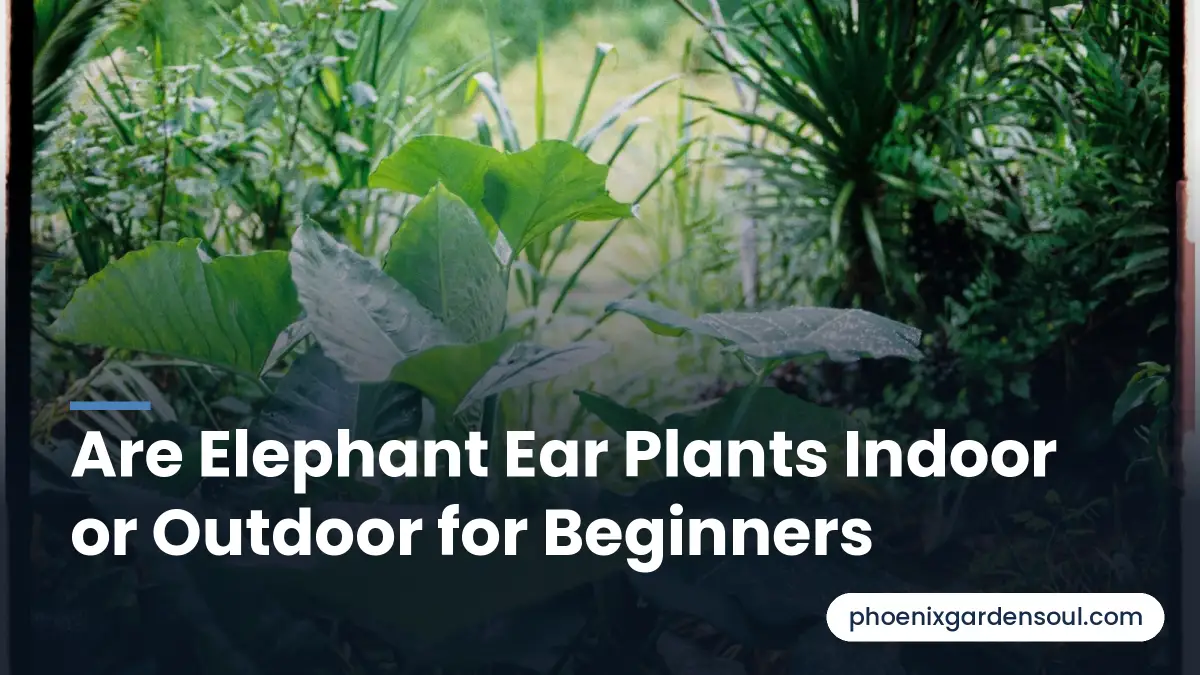
The most common type is Colocasia. It has downward-pointing leaves. It loves wet soil and deep shade. This species does well near ponds or in bathrooms.
Alocasia is another popular pick. Its leaves point upward. It prefers drier air and brighter light. This plant often does better indoors in most homes.
Xanthosoma is less common but still grown. It tolerates heat and sun better. Gardeners in hot zones often favor this type for outdoor beds.
- Colocasia: Loves moisture and partial shade outdoors.
- Alocasia: Suits bright indoor spots with humidity.
- Xanthosoma: Handles sun and heat well outside.
Knowing your species changes your care plan. Check the plant tag or ask the seller. A wrong match makes everything harder. The right match makes growth feel easy.
For example, a Colocasia moved into a dry living room will struggle. Its leaves will crisp and drop. But place that same plant in a steamy bathroom and it thrives. Small details make a big difference.
Indoor Growing Conditions That Mimic Natural Tropical Habitats
Bringing your elephant ear plant inside means you become the weather. You must provide warmth, light, and moisture. Your living room can work if you set it up right.
Think of your home as a mini greenhouse. The goal is steady warmth and humidity. Avoid cold drafts and dry heat from vents. Those things stress tropical plants fast.
Light is the next big piece. These plants want bright, indirect sun. A south or east window often works well. Direct hot sun can burn those big leaves.
Watering indoors needs care. Soil should stay moist but never soggy. That balance keeps tubers healthy through the months inside.
Here are the key tools that help you succeed indoors.
- Humidity Meter: Track moisture levels near your plant daily.
- Grow Lights: Supplement weak winter sun with full-spectrum bulbs.
- Pebble Tray: Set pots on trays with water and stones.
- Thermometer: Keep room temps between 65°F and 80°F always.
- Well-Draining Mix: Use potting soil with perlite for best results.
A pebble tray is a simple fix. Fill a tray with small stones. Add water just below the top. Set your pot on top. The rising mist keeps humidity high.
Watch your leaves for clues. Yellowing often means too much water. Brown crispy edges mean dry air. Adjust fast and your plant bounces back.
Rotate your pot each week. That gives all leaves even light. Uneven growth is a clear sign your plant needs a turn.
Dust the leaves too. Indoor air coats big leaves with fine dust. That dust blocks sunlight. Wipe them gently with a damp cloth every two weeks. Clean leaves capture more light and breathe better.
Group your plants together when you can. Many plants near each other raise local humidity. This simple trick cuts the need for extra equipment. It also adds a lush look to your space. For complementary picks and expert testing advice, see our guide on Are Azaleas Indoor or Outdoor Plants for Beginners.
Outdoor Garden Setup and Seasonal Transition Strategies
Planting elephant ears outside works best in warm, humid climates. You need loose, rich soil that drains well. These plants love full to partial sun. They can handle some shade too.
Start by picking a spot with morning light. Afternoon shade protects leaves from burning. Space plants about three feet apart. This gives each one room to spread.
- Soil Prep: Mix compost into the top layer. This adds nutrients and boosts drainage.
- Container Option: Use a large pot with drain holes. It lets you move plants easily.
- Watering Routine: Keep soil moist but not soggy. Check the top inch often.
- Fertilizer Timing: Feed every two weeks in summer. A balanced liquid fertilizer works well.
Moving plants outside in spring is a big step. Wait until night temps stay above 50°F. Hardening off helps them adjust to wind and sun. Start by placing them outside for a few hours. Then slowly increase their time over one week.
Bring plants back inside before the first frost. Cold weather kills the leaves and harms the tuber. Cut stems back to a few inches. Dig up the tuber and let it dry. Store it in a cool, dark spot for winter.
Outdoor soil heat matters a lot. Cold soil slows growth even in warm weather. Use a soil thermometer before planting. Wait until soil hits 65°F or higher. That warmth triggers strong root and leaf growth.
Mulch helps outdoor plants too. A two-inch layer of bark or straw keeps soil warm. It also holds moisture. This simple step saves water and protects roots during cool nights.
How to Store Elephant Ear Tubers for Winter
For gardeners in cold zones, winter storage is a must. The tuber is the plant’s survival tool. Keep it healthy and your plant returns next spring.
Start by digging up the tuber after the first frost. Cut the stems back to about two inches. Brush off loose soil gently. Do not wash it. Let it dry in a warm spot for a few days.
Next, find a storage spot. A garage or basement works well. The heat should stay between 45°F and 55°F. It must not freeze. Also keep it dark. Light can trigger early sprouting.
Wrap the tuber in dry peat moss or vermiculite. Place it in a paper bag or breathable box. Check it once a month. If it feels soft, it is rotting. Toss it and start fresh next year. If it feels firm and dry, it is fine.
- Check monthly: Inspect for rot or drying out.
- No plastic bags: Trapped moisture causes rot fast.
- Keep dark: Light triggers early growth that weakens the tuber.
- Mark your calendar: Set reminders so you never forget.
This process feels like extra work. But it saves you money. You do not need to buy new plants each spring. A healthy tuber can live for many years with proper storage.
Signs Your Elephant Ear Plant Needs to Move Indoors or Outdoors
Your plant will show clear signs when it needs a change. Yellow leaves often mean cold stress. Brown, crispy edges point to low humidity or too much sun. Wilting despite wet soil can signal root rot.
When indoor plants get leggy, they need more light. Outdoor plants that stall may need more water. Watch for pests like spider mites or aphids. These bugs spread fast in dry indoor air.
Slow growth in spring can mean the tuber needs warmth. Cold soil holds back new shoots. If you see new leaves forming, it is time to act. Move the plant to a warmer spot or bring it outside.
- Leaf Color Shift: Pale or yellow leaves mean light or nutrient issues.
- Stunted Growth: No new leaves in weeks signal a problem.
- Pest Infestation: Sticky residue or webbing means bugs are present.
- Temperature Swings: Sudden drops or heat spikes stress the plant.
Timing matters a lot when moving plants. Do not rush the process. Sudden changes in light or heat shock the plant. Gradual shifts help it adapt without stress.
Leaf drop is another warning sign. Losing a few lower leaves is normal. But dropping many leaves fast means something is wrong. Check heat, water, and light first. Often one simple fix solves it.
Also watch for leaf curl. Leaves curl inward when the plant tries to save moisture. This happens in dry air or under strong sun. Move the plant and boost humidity. New leaves will uncurl within days.
Year-Round Care Calendars for Indoor and Outdoor Elephant Ear Plants
A simple care calendar keeps your plant on track. Indoor plants need steady light and humidity. Outdoor plants need more water and food during growth. Adjust care with the seasons to keep plants healthy.
In spring, start checking for new growth. Begin watering more often as days warm up. Move outdoor plants outside after the last frost date. For indoor plants, rotate the pot each week. This helps leaves grow evenly on all sides. For complementary picks and expert testing advice, see our guide on Are Bonsai Trees Indoor Plants Tips and Best Practices.
Summer is the peak growing season. Water outdoor plants every two to three days. Feed them with liquid fertilizer every two weeks. Indoor plants need similar food but less water. Watch for pests and treat early.
In fall, cut back on water and stop fertilizing. Outdoor plants will start to yellow and fade. This is normal. It means the plant is entering dormancy. Bring tender plants inside before the first cold night.
Winter care focuses on storage and rest. Store dug-up tubers in a dry, cool place. Indoor plants need less water. Let the soil dry out between waterings. This rest period sets up strong growth for next year.
- Spring Start: Begin feeding and increase watering slowly.
- Summer Peak: Water often and feed every two weeks.
- Fall Wind-Down: Cut back water and stop all fertilizer.
- Winter Rest: Store tubers or reduce indoor watering.
During winter dormancy, do not panic if leaves die back. This is natural for outdoor-planted tubers. The plant is sleeping. It is not dead. Keep the soil barely moist and wait for spring signals.
For indoor plants in winter, consider a humidity dome. These clear covers fit over pots. They trap moisture and create a mini greenhouse effect. You can find them at garden centers for a few dollars. They work wonders in dry winter rooms.
Common Questions About Elephant Ear Plant Placement
Can You Keep Elephant Ear Plants Outdoors All Year?
Only in USDA zones 9 through 11. These zones have mild winters with no hard frost. In colder zones, you must dig up the tuber before winter. You can also grow them as annuals and start fresh each spring.
Do Elephant Ear Plants Do Well in Pure Indoor Setups?
- Yes, They Thrive: Yes, they thrive indoors with the right care.
- They Need Bright: They need bright light, high humidity, and steady water.
- Bathroom or Kitchen Window: A bathroom or kitchen window often works well.
- These Rooms Offer: These rooms offer warmth and steam from daily activities.
How Do You Know If Your Plant Should Go Outside?
Look for warm, stable heat and new growth. If indoor light feels weak and leaves stretch out, it is time. Moving them outside in summer boosts growth and leaf size. Just remember to harden them off first.
What Happens If You Forget to Bring Plants Inside Before Frost?
The leaves will die back quickly from cold damage. The tuber may still survive if the soil did not freeze solid. Dig it up, let it dry, and store it. You can replant it the next spring.
Are Elephant Ear Plants Indoor or Outdoor Plants?
They can be both. These tropical plants grow well indoors year-round. Outdoors, they thrive in warm, humid summer climates. Your choice depends on your local weather and growing season.
Can Elephant Ear Plants Survive in Low-Light Indoor Rooms?
They struggle in true low light. These plants evolved for bright, filtered jungle light. A dim corner will slow growth and thin leaves. If your room has no windows, add a grow light. Even a small LED bulb helps. Place it above the plant for a few hours a day. That extra boost keeps the plant alive and growing.
Are Elephant Ear Plants Safe Around Pets and Children?
They are not safe. All parts of the plant contain calcium oxalate crystals. These tiny needles cause burning and swelling if chewed or touched. Keep plants out of reach. Use hanging pots or high shelves.
If a pet or child chews a leaf, rinse the mouth with water. Call a poison control center if symptoms persist. This does not mean you cannot grow them. It just means you need to be mindful of placement.
| Care Factor | Indoor Setup | Outdoor Setup |
|---|---|---|
| Light Needs | Bright indirect light | Full to partial sun |
| Watering | Keep soil lightly moist | Keep soil evenly moist |
| Humidity | High; use a pebble tray | Naturally high in warm climates |
| Temperature | 65°F to 80°F | Above 50°F; no frost |
| Winter Care | Reduce water; keep growing | Dig tuber; store in cool dark spot |
Final Thoughts and Next Steps
Deciding where to grow elephant ear plants depends on your climate and space. Warmer zones can keep them outside all year. Colder zones need to move plants indoors or store the tuber. Both paths work well with a little planning.
Start with a simple check of your light and heat. Then match that to what the plant needs. Watch your plant for signs of stress. Adjust its spot or care routine as needed. This flexible approach helps you succeed with are elephant ear plants indoor or outdoor setups. You will learn what works best in your home and garden over time.
Do not aim for perfection on day one. Start simple. A bright corner and a steady watering habit beats a fancy setup that falls apart. Build your confidence slowly. Each season teaches you something new. Your plant rewards that effort with huge, dramatic leaves. It is a plant worth growing. Now you know exactly how to make that happen.